

What is a Sulfate Nickel Crystalline Material Pneumatic Conveying Line? And What Are Its Design Prin
For industries dealing with sulfate nickel crystalline materials, the pneumatic conveying line is a game-changing solution for efficient material transport. This article explores the functionality of such a system and the design principles that underpin its effectiveness, providing insights into how it can enhance operational efficiency and material handling in industrial settings.
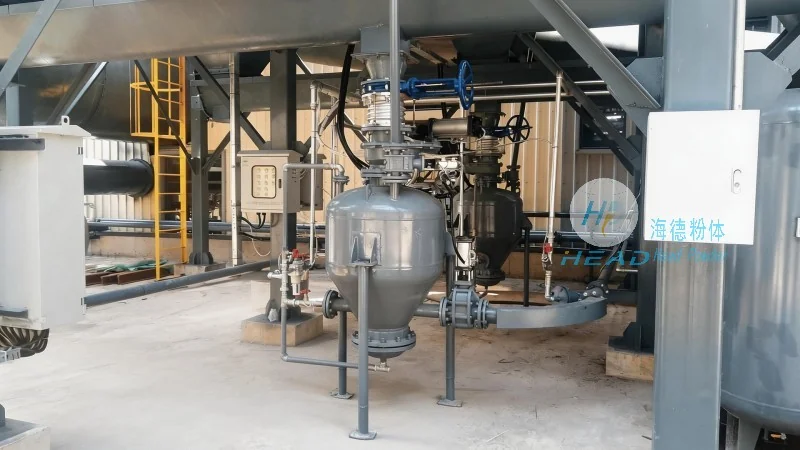
Introduction to the Sulfate Nickel Crystalline Material Pneumatic Conveying Line
A sulfate nickel crystalline material pneumatic conveying line is a specialized system designed to transport crystalline sulfate nickel, a critical raw material in battery manufacturing and chemical processing. Developed by Shandong HeadPowder Engineering Co., Ltd. (HeadPowder), this system utilizes air or gas as the conveying medium, eliminating the need for traditional mechanical conveyors and offering a more hygienic and efficient alternative. The system is engineered to handle the unique properties of sulfate nickel, including its particle size, density, and chemical stability, ensuring that the material is transported without degradation or contamination.
Core Components and Their Functions
The pneumatic conveying line consists of several key components, each playing a crucial role in the material transport process. The material hopper serves as the storage and feeding unit, where the crystalline material is loaded and then fed into the system. The air compressor generates the necessary pressure to move the material through the conveying pipes. The pipes are typically made from corrosion-resistant materials, such as stainless steel, to withstand the chemical properties of sulfate nickel and prevent material buildup. Control valves are used to regulate the flow of material and air, ensuring smooth and controlled transport. Additionally, the system includes filtration and separation units to maintain material purity and prevent dust accumulation in the air compressor and pipes.
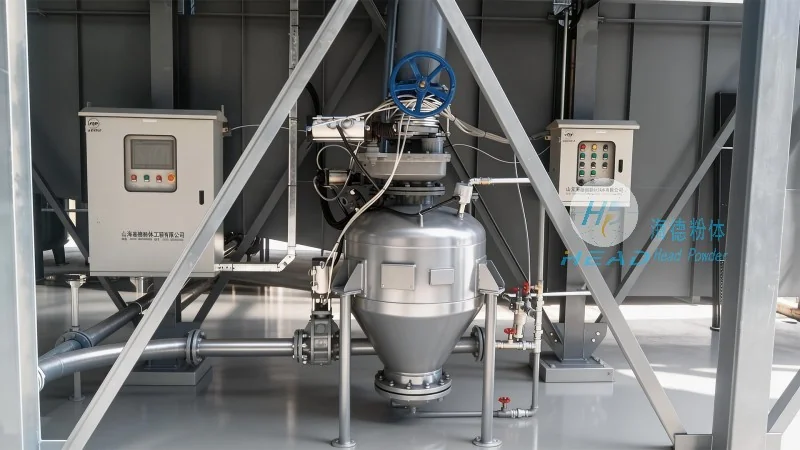
Design Principles for Optimal Performance
The design of a sulfate nickel crystalline material pneumatic conveying line is guided by several fundamental principles to ensure efficiency, safety, and durability. First, the system must be tailored to the specific characteristics of the material, including its particle size distribution, moisture content, and flowability. This ensures that the conveying velocity and pressure are optimized to prevent material degradation or blockages in the pipes. Second, the system incorporates proper sealing and pressure management to prevent air leaks and maintain the required pressure levels. Third, the design considers the overall system layout and space constraints, allowing for seamless integration into existing production facilities without extensive modifications. Safety features, such as pressure relief valves and emergency shut-off systems, are also integrated to protect personnel and equipment from potential hazards.
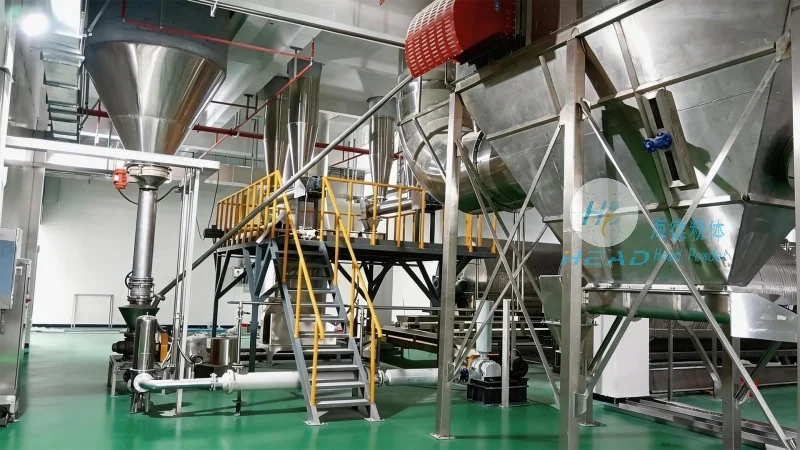
Advantages of Implementing This System
Adopting a pneumatic conveying line for sulfate nickel crystalline materials offers numerous advantages over traditional transport methods. One of the primary benefits is the reduction in labor costs, as the system automates the material handling process, minimizing the need for manual intervention. Additionally, the system provides a hygienic and clean environment, which is critical for industries where material purity is paramount, such as battery production. The system also offers flexibility in terms of layout, allowing for easy integration into existing facilities and enabling the transport of materials over long distances with minimal energy consumption. Furthermore, the pneumatic conveying line can handle materials with varying particle sizes and shapes, making it suitable for a wide range of applications. Finally, the system's ability to maintain consistent material flow and pressure ensures that production processes remain uninterrupted, enhancing overall productivity.
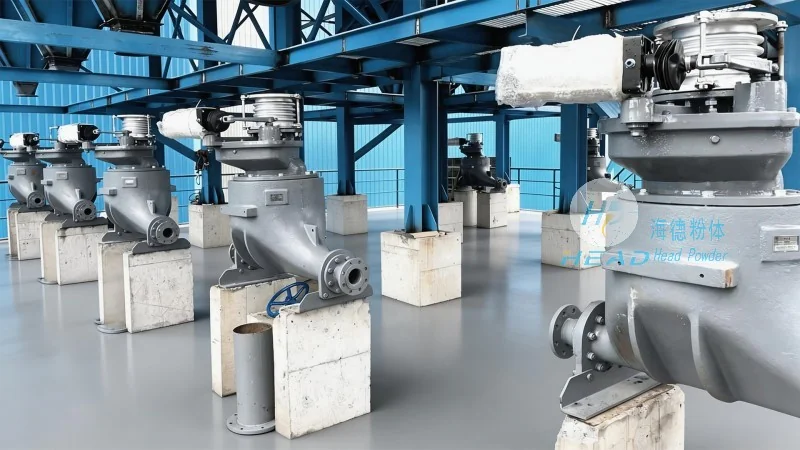
Applications in Key Industries
The sulfate nickel crystalline material pneumatic conveying line is widely utilized in various industries that rely on the efficient transport of specialized materials. In the battery manufacturing industry, the system is used to transport sulfate nickel to production lines, where it is converted into nickel sulfate solutions for further processing. In the chemical processing industry, the system facilitates the movement of the material between different processing stages, ensuring a continuous and uninterrupted production flow. Other industries that benefit from this technology include mining, where the material is transported from processing plants to storage facilities, and pharmaceuticals, where strict hygiene standards require clean and efficient material handling. The system's adaptability makes it a versatile solution for industries dealing with sulfate nickel crystalline materials.
Customization and Integration with Existing Systems
Given the diverse requirements of different industrial applications, the pneumatic conveying line for sulfate nickel crystalline materials can be customized to meet specific needs. This includes adjusting the conveying velocity, pressure, and pipe diameter to suit the material's characteristics and the distance to be covered. The system can also be integrated with existing production lines, such as mixing and drying equipment, to create a seamless material flow. Customization options may also include the addition of sensors and monitoring systems to track the material's condition and system performance in real-time. This integration ensures that the system operates efficiently and reliably, maximizing productivity and minimizing downtime. Shandong HeadPowder Engineering Co., Ltd. specializes in designing and manufacturing such customized systems, ensuring that each solution is tailored to the unique needs of the client.