Ammonium chloride, a widely used chemical compound, is often transported through industrial facilities using pneumatic conveying systems. The operation process and working principle of such a line are critical for ensuring efficient and safe material handling. This article provides a detailed overview of the key aspects involved in the operation of an ammonium chloride pneumatic conveying line, highlighting the technical components and operational procedures.
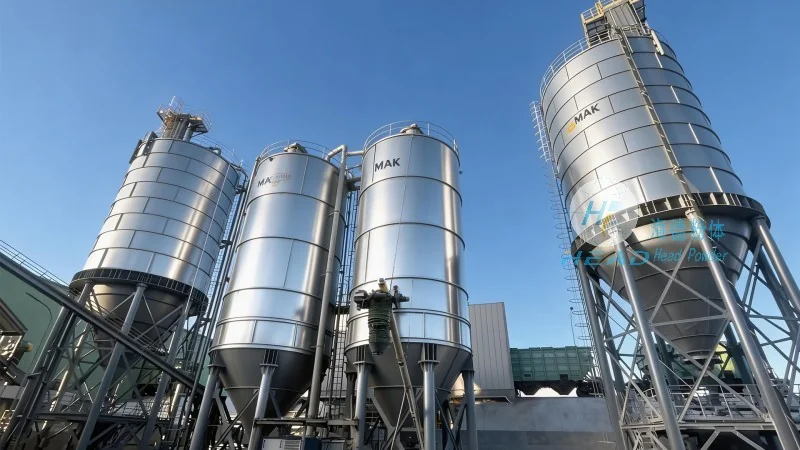
Overview of Pneumatic Conveying Systems for Ammonium Chloride
Pneumatic conveying systems utilize air or other gases to transport bulk materials like ammonium chloride from one location to another. These systems are particularly suitable for handling fine powders and granular materials, offering advantages such as reduced dust generation, lower maintenance requirements, and the ability to transport materials over long distances without the need for complex mechanical components. The design of an ammonium chloride pneumatic conveying line typically involves several key components, including a material feed hopper, a conveying line (often with bends and straight sections), a dust collector, and a discharge outlet.
Key Components of an Ammonium Chloride Pneumatic Conveying Line
The performance of an ammonium chloride pneumatic conveying line depends on the proper integration and functioning of its main components. The material feed hopper is responsible for storing and feeding the ammonium chloride into the conveying system. It is usually equipped with a rotary valve or a star feeder to control the flow rate of the material. The conveying line itself is a pipeline that transports the material and air mixture. It may include various fittings like elbows, tees, and reducers to direct the flow and maintain system pressure. A dust collector is essential to capture any fine particles that may escape during the conveying process, ensuring environmental compliance and preventing material loss. The discharge outlet is where the ammonium chloride is released from the system, typically into a storage silo or processing equipment.
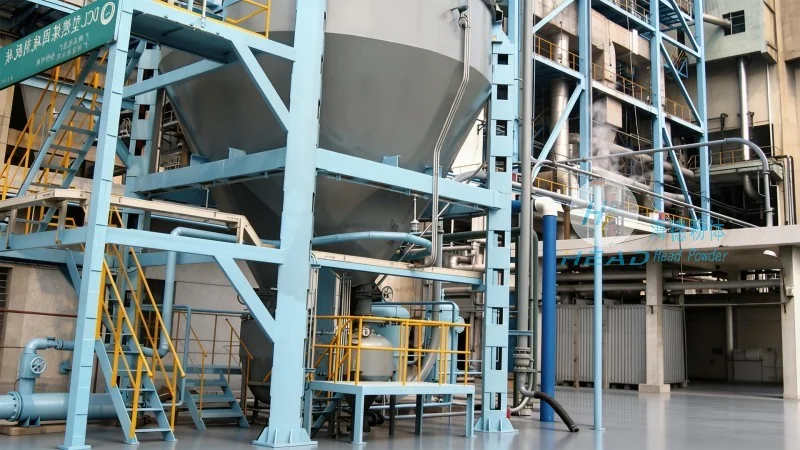
Working Principle of the Ammonium Chloride Pneumatic Conveying Process
The operation of an ammonium chloride pneumatic conveying line follows a systematic process. The process begins with the material being fed from the hopper into the conveying line. Simultaneously, a fan or blower generates a flow of air within the pipeline. The air flow creates a negative pressure or positive pressure environment, depending on the system design, which draws the ammonium chloride particles into the air stream. As the material is entrained by the air, it travels through the conveying line to the discharge point. The air and material mixture then enters the dust collector, where the air is filtered to separate the ammonium chloride particles. The cleaned air is typically released back into the environment, while the collected material is returned to the system or disposed of as needed.
Operational Considerations and Maintenance
Effective operation of an ammonium chloride pneumatic conveying line requires careful consideration of several factors. The air velocity within the conveying line must be optimized to ensure that the ammonium chloride particles are adequately entrained without causing excessive wear on the system components. The system pressure and flow rate are critical parameters that need to be monitored and adjusted based on the material characteristics and conveying distance. Regular maintenance is essential to prevent blockages, ensure proper air filtration, and maintain the overall efficiency of the system. Components such as rotary valves, fan blades, and dust collector filters should be inspected and replaced as needed to avoid downtime and ensure long-term reliability.
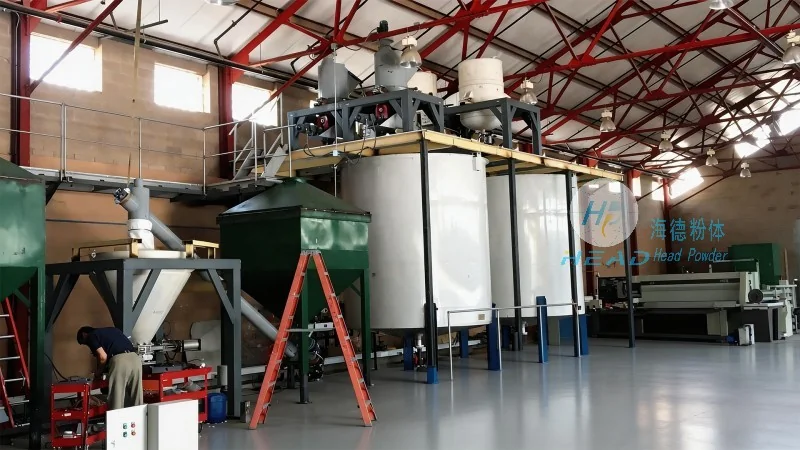
Applications and Benefits of Ammonium Chloride Pneumatic Conveying
Ammonium chloride pneumatic conveying systems are widely used in various industrial applications, including chemical manufacturing, food processing, and pharmaceutical production. The benefits of using such systems include improved safety by reducing manual handling of powders, enhanced process control through precise material flow regulation, and increased efficiency by minimizing material loss and downtime. The ability to transport ammonium chloride over long distances without the need for mechanical conveyors makes pneumatic systems particularly advantageous in large-scale industrial operations.
About Shandong HeadPowder Engineering Co., Ltd.
Shandong HeadPowder Engineering Co., Ltd., operating under the brand name headpowder, is a professional manufacturer and supplier of pneumatic conveying equipment and systems. With a focus on innovation and quality, the company specializes in designing and manufacturing customized solutions for various bulk material handling needs. Headpowder's expertise in pneumatic conveying technology ensures that clients receive reliable and efficient systems tailored to their specific requirements. The company is committed to providing high-quality products and services, supporting industrial operations with advanced material handling solutions. Headpowder is located in Shandong, China, serving clients both domestically and internationally with its comprehensive range of pneumatic conveying equipment.




