

Principles and Application Scenarios of Large-Scale Powder Conveying Systems
Large-scale powder conveying systems are essential in numerous industrial sectors, enabling the efficient transport of bulk dry materials from one location to another. These systems play a pivotal role in industries such as chemicals, food processing, pharmaceuticals, and mining, supporting processes like material handling, storage, and distribution. The effectiveness of these systems directly impacts production efficiency, operational costs, and overall safety, making them a critical investment for businesses relying on bulk material transport.
Core Principles of Powder Conveying Technology
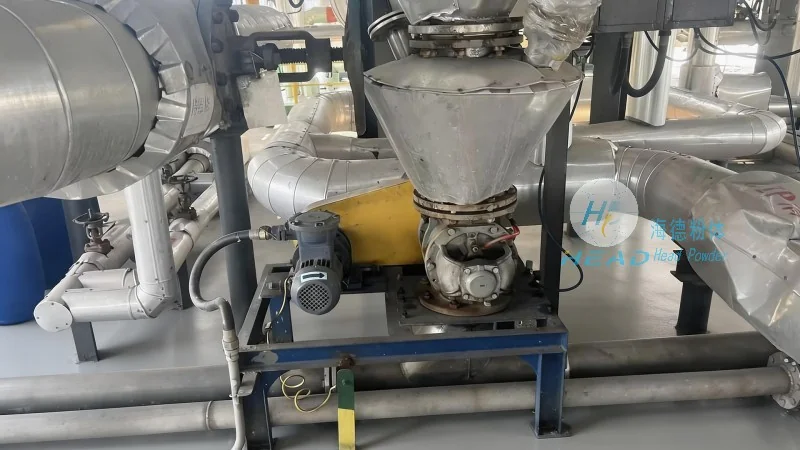
The fundamental principles of large-scale powder conveying systems involve mechanical and pneumatic mechanisms to move free-flowing powders. Key technologies include screw conveyors, pneumatic conveying systems, and bucket elevators, each selected based on material characteristics and operational requirements. Screw conveyors use rotating screws to move material along a trough, while pneumatic systems utilize air pressure to propel powders through pipelines. The choice of technology depends on factors like material density, moisture content, and the need for dust control. Modern systems also incorporate advanced controls and monitoring to optimize performance and prevent system failures, enhancing reliability and reducing downtime.
Key Components and Their Functions
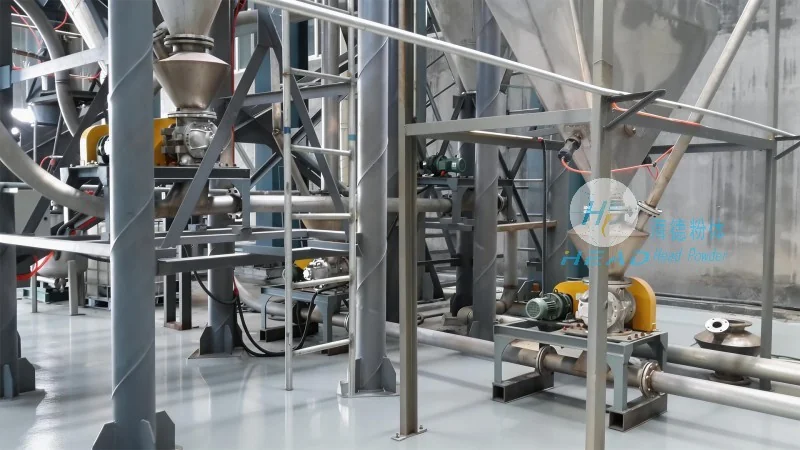
Large-scale powder conveying systems consist of several critical components that work together to ensure smooth operation. The primary components include feeders, conveyors, and discharge units. Feeders, such as rotary valves or star feeders, regulate material flow into the system, preventing overloading and ensuring consistent feed rates. Conveyors, which may be screw, belt, or pneumatic, transport the material through the system. Discharge units, including silos or storage tanks, collect the material at the destination. Each component is designed to handle specific material properties, such as particle size and flowability, to maintain system efficiency and minimize downtime. Additionally, modern systems often include sensors and controls to monitor performance and adjust parameters in real time.
Application Scenarios and Industry Use Cases
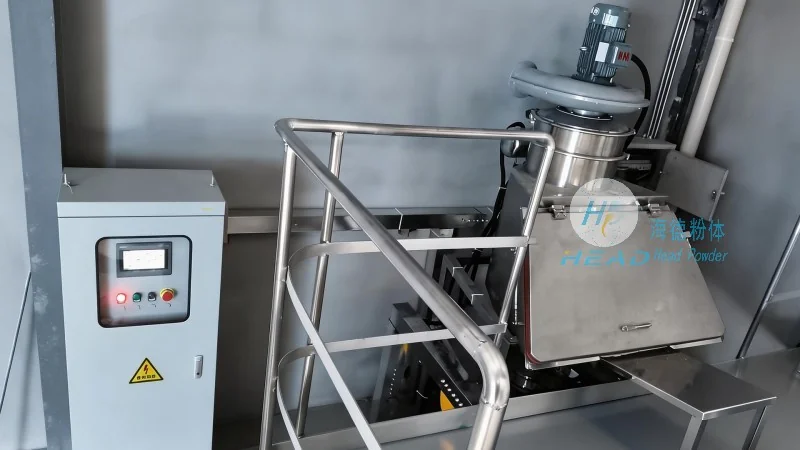
Large-scale powder conveying systems are widely utilized across multiple industries, each with unique requirements. In the chemical industry, these systems transport raw materials and finished products, supporting processes like mixing, drying, and packaging. The food and beverage industry uses them for handling ingredients like flour, sugar, and spices, ensuring hygienic and efficient production. In the pharmaceutical sector, specialized conveying systems are employed to transport active pharmaceutical ingredients (APIs) and other sensitive materials, maintaining strict contamination control. The mining and minerals industry relies on large-scale systems to transport ore and other bulk materials from processing plants to storage or export facilities. Each application scenario demands tailored system designs to meet specific operational needs, such as material compatibility, environmental regulations, and production scale.
Advantages of Modern Large-Scale Powder Conveying Systems
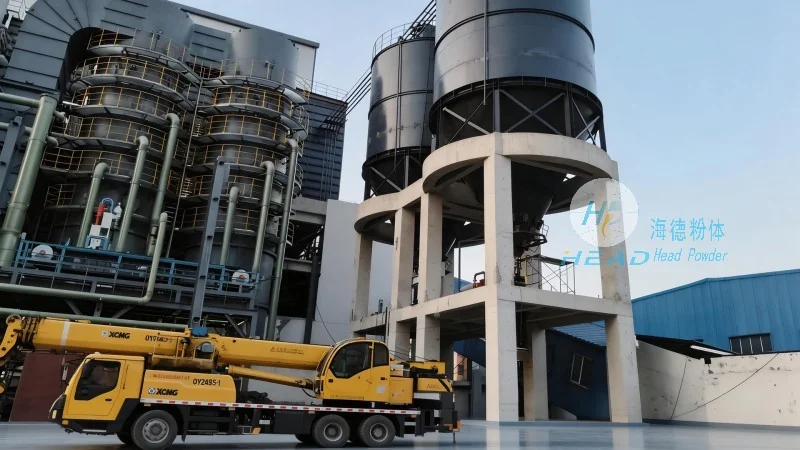
Modern large-scale powder conveying systems offer several advantages over traditional methods, including improved efficiency, reduced labor costs, and enhanced safety. Automated controls and real-time monitoring allow operators to optimize system performance, reducing energy consumption and minimizing material waste. The use of sealed and dust-tight systems prevents environmental contamination and protects workers from exposure to hazardous powders. Additionally, advanced materials and manufacturing techniques have improved system durability and longevity, reducing maintenance costs over time. These advantages make modern powder conveying systems a preferred choice for industries seeking to enhance productivity and comply with regulatory standards.