Gas-pneumatic conveying equipment serves as a critical solution for the efficient handling and transport of calcium carbide dust and associated materials within industrial processing facilities. This technology is specifically engineered to manage fine powders and granular substances generated during the dust removal stages of calcium carbide production. The system operates by leveraging compressed air or gas streams to move material through a network of pipes and ducts, ensuring safe, reliable material transfer while minimizing environmental contamination and operational risks.
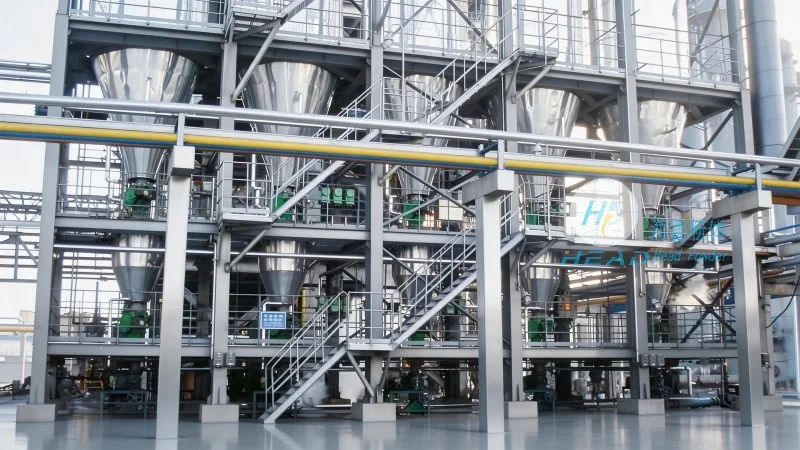
Key Components and Their Functions
The gas-pneumatic conveying system for calcium carbide dust removal comprises several essential components, each with a distinct role in the overall operation. These components include a dust collector or separator to capture and prepare the material, a blower or air compressor to generate the necessary air pressure, a conveying line (typically constructed from stainless steel or other corrosion-resistant materials to withstand the abrasive nature of calcium carbide dust), and a control system to regulate air flow and pressure. The dust collector is responsible for capturing fine particles produced during production, while the blower provides the force to move material through the conveying line. The conveying line is designed for durability against abrasive materials, ensuring long-term performance with minimal maintenance. The control system allows operators to adjust air pressure and flow rates, optimizing conveying efficiency and preventing blockages or other operational issues.
Operation Process of the Gas-Pneumatic Conveying System
The operation of the gas-pneumatic conveying equipment for calcium carbide dust removal follows a systematic, automated process to ensure consistent material handling. The process initiates with material collection by the dust collector, where particles are separated from the air stream. The collected material is then fed into the conveying line via a hopper or feeder, which controls the material flow rate. The blower generates a high-pressure air stream, which is introduced into the conveying line. As the air flows, it carries material particles, transporting them to the destination—such as a storage silo or processing unit. The system maintains consistent air pressure and flow rates, ensuring smooth material transfer without clogging or loss. The control system continuously monitors parameters, adjusting them as needed to sustain optimal operation. This automation minimizes human intervention, enhancing efficiency and reducing accident or material loss risks.
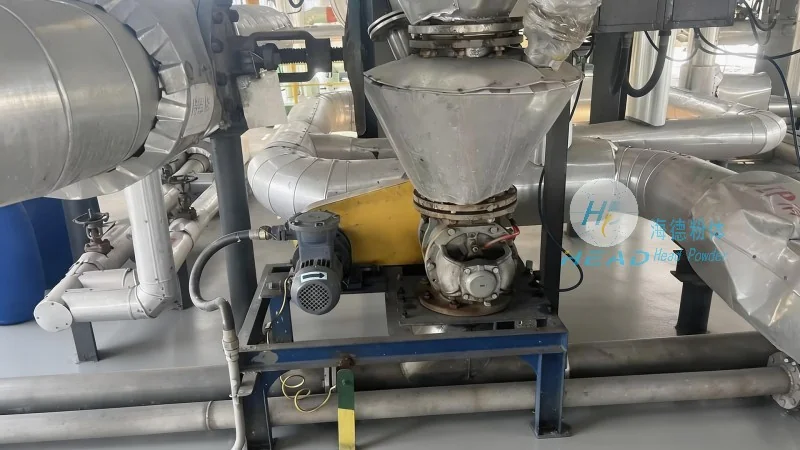
Working Principle of the Gas-Pneumatic Conveying System
The working principle of the gas-pneumatic conveying system for calcium carbide dust removal is rooted in fluidization and pneumatic transport. The system creates a high-velocity air stream within the conveying line, lifting and transporting material particles. The air pressure overcomes gravitational forces, allowing material movement through pipes. Material is suspended in the air stream, preventing settling or clogging. The system employs positive or negative pressure, with positive pressure systems (using compressed air to push material) being common for calcium carbide dust due to better flow control and reduced dust emissions. The equipment is designed to handle fine powders and granular materials prone to clogging and dust generation. Corrosion-resistant materials and proper maintenance ensure long-term efficiency and safety.
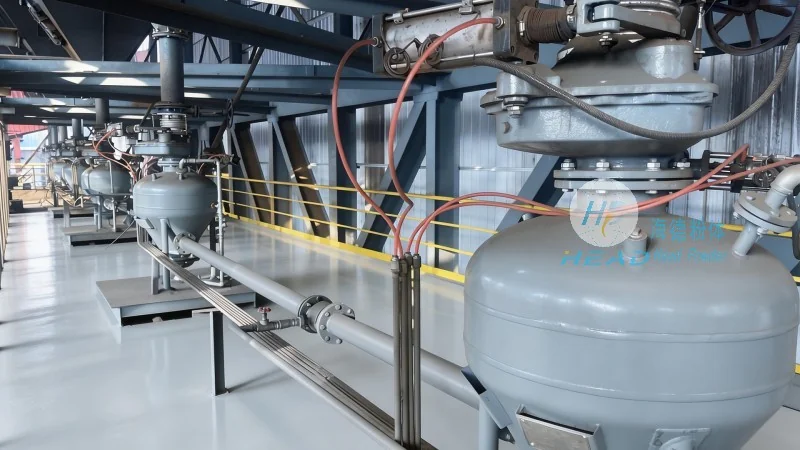
Advantages of Using Gas-Pneumatic Conveying Equipment for Calcium Carbide Dust
Gas-pneumatic conveying equipment offers significant advantages over traditional material handling methods, making it ideal for calcium carbide dust removal. Key benefits include handling fine powders without mechanical components (like belts or buckets), reducing wear and maintenance needs. The system is highly flexible, adaptable to different material types or flow rates. It minimizes dust emissions, critical for maintaining a safe work environment. Energy efficiency is another advantage, as compressed air is cost-effective compared to other methods. Additionally, the equipment is easy to install and maintain, lowering overall operational costs. These features make it a preferred choice for industrial applications.
Applications and Industries
Gas-pneumatic conveying equipment for calcium carbide dust removal is widely utilized across multiple industries, including chemical manufacturing, mining, and food processing. It is particularly suited for fine powders and granular materials common in these sectors. In the chemical industry, it transports calcium carbide dust and other chemicals; in mining, it handles minerals and ores; and in food processing, it processes powders like flour or sugar. The system is also used in research and development facilities for material transport and analysis. Its versatility allows customization for diverse industry needs, making it a popular solution.




