

Operation Process and Working Principle of Pneumatic Conveying Equipment for Chlorinated Polyethylen
HeadPowder, a leading engineering firm based in Shandong, China, specializes in the design, manufacturing, and implementation of advanced pneumatic conveying systems tailored for handling chlorinated polyethylene (CPE) materials. This article provides a detailed overview of the operational process and underlying principles of such equipment, highlighting its efficiency, reliability, and adaptability in industrial applications.
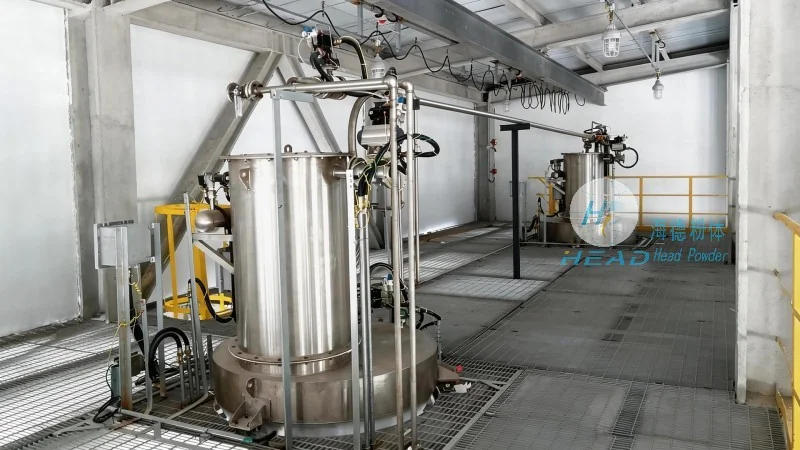
Understanding Chlorinated Polyethylene and Its Handling Requirements
Chlorinated polyethylene (CPE) is a thermoplastic polymer widely used in various industries due to its excellent chemical resistance, flexibility, and durability. Handling CPE requires specialized equipment capable of managing its unique physical properties, such as its tendency to agglomerate or form dust, which can affect material flow and system performance. Pneumatic conveying systems offer a solution by utilizing air or gas to transport CPE particles through pipelines, ensuring safe and efficient material transfer.
Key Components of Pneumatic Conveying Systems for CPE
The core components of a pneumatic conveying system for chlorinated polyethylene typically include a material feed hopper, a rotary valve or feeder, a conveying pipeline, a pressure vessel or receiver, and a dust collection system. Each component plays a critical role in the overall operation:
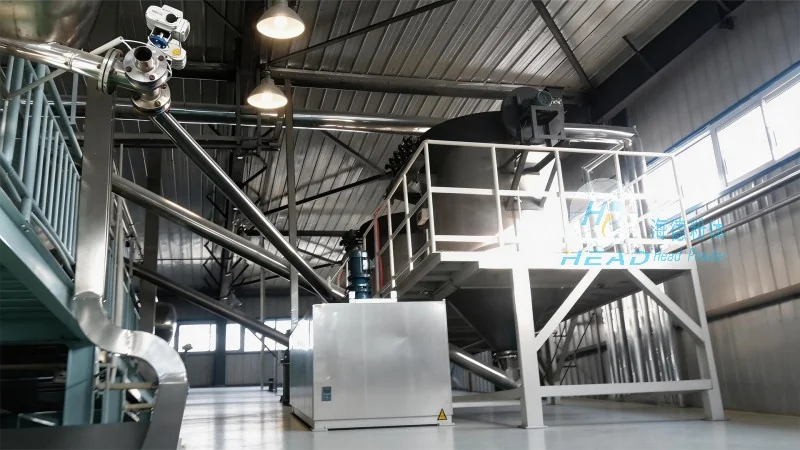
- Material Feed Hopper: Stores the CPE material and regulates the feed rate to the system, preventing overloading and ensuring consistent material supply.
- Rotary Valve or Feeder: Controls the discharge of CPE from the hopper into the conveying pipeline, maintaining a steady flow and preventing material buildup.
- Conveying Pipeline: Transports the CPE particles through the system using air or gas, with the design of the pipeline (e.g., straight or curved) influencing the system's efficiency and pressure drop.
- Pressure Vessel or Receiver: Collects the conveyed CPE material and may include features like a dust filter or cyclone to separate air from the material.
- Dust Collection System: Ensures compliance with environmental regulations by capturing and filtering any airborne particles, maintaining a clean and safe working environment.
Operation Process of Pneumatic Conveying Equipment for CPE
The operation of a pneumatic conveying system for chlorinated polyethylene involves several sequential steps, each designed to optimize material transfer while minimizing downtime and maintenance:
- Material Loading: The CPE material is loaded into the feed hopper from a storage silo or container. The hopper is equipped with a level indicator to monitor the material volume.
- Feeding and Conveying: The rotary valve or feeder opens to allow CPE particles to enter the conveying pipeline. Simultaneously, a blower or compressor generates airflow, creating a pressure differential that propels the material through the system. The speed and pressure of the air are carefully controlled to ensure efficient transport without causing excessive wear on the equipment.
- Material Deposition: The CPE material is deposited into the pressure vessel or receiver at the end of the pipeline. The vessel may include a discharge valve to regulate the release of material to downstream processes, such as mixing or packaging.
- Air Filtration and Recirculation: The air used for conveying passes through a dust collection system, where particles are separated and collected. Clean air is then recirculated back into the system, reducing energy consumption and maintaining air quality.
Working Principle of Pneumatic Conveying for CPE
The working principle of pneumatic conveying equipment for chlorinated polyethylene is based on the fundamental concept of fluidization and drag force. When air or gas is introduced into the conveying pipeline at a sufficient velocity, it creates a fluidized bed of CPE particles, allowing them to move freely and be transported along the pipeline. The pressure drop across the system is a key factor, as it determines the energy required to move the material. Proper design of the pipeline, including the use of appropriate pipe diameters and bends, minimizes pressure losses and ensures smooth operation.
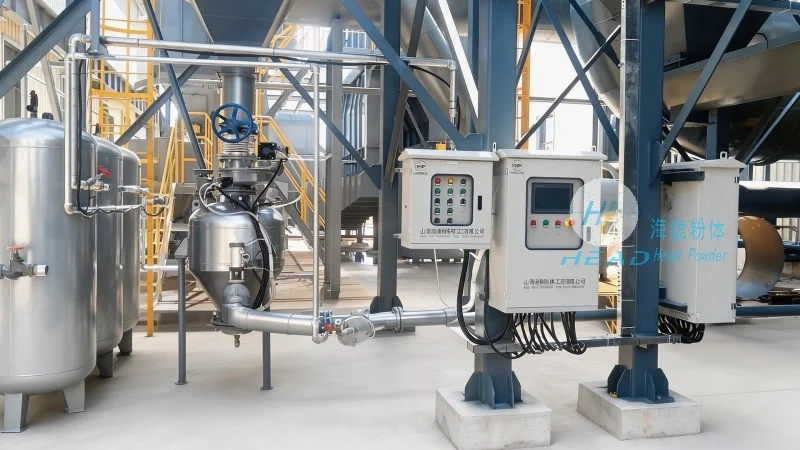
For CPE, which can be prone to static electricity or agglomeration, the system may incorporate additional features such as static eliminators or anti-static coatings on the pipeline to prevent material buildup and ensure consistent flow. The choice of conveying method—whether positive pressure (where air is blown into the pipeline) or negative pressure (where air is drawn from the receiver)—depends on the specific application and material characteristics.
Advantages of Pneumatic Conveying Systems for Chlorinated Polyethylene
Pneumatic conveying equipment offers several advantages when handling chlorinated polyethylene, making it a preferred choice for many industrial applications: