

Operation Process and Working Principle of PVA Formaldehyde Condensate Material Pneumatic Conveying
HeadPowder, a leading engineering firm based in Shandong, China, specializes in the design, manufacturing, and installation of advanced pneumatic conveying systems tailored for handling PVA formaldehyde condensate materials. This article provides a comprehensive overview of the operation process and working principle of such equipment, highlighting the technical aspects and operational efficiency that define modern material handling solutions.
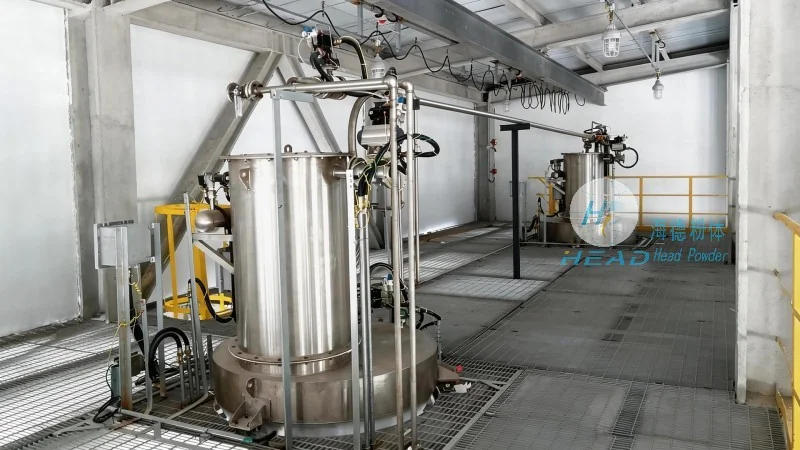
Overview of PVA Formaldehyde Condensate Pneumatic Conveying Systems
PVA (polyvinyl alcohol) formaldehyde condensate is a widely used industrial material, often encountered in applications like adhesive production, textile processing, and chemical synthesis. Handling this material efficiently requires specialized equipment capable of managing its physical properties, such as moisture content, particle size, and flow characteristics. Pneumatic conveying systems offer a reliable solution by utilizing air or gas to transport bulk materials through a pipeline network, eliminating the need for mechanical components like belts or buckets that may cause contamination or wear.
Key Components of the Pneumatic Conveying Equipment
The PVA formaldehyde condensate pneumatic conveying system typically consists of several core components, each playing a critical role in the overall operation. These include:
1. Feed Hopper: A container that stores the PVA formaldehyde condensate material, equipped with a discharge valve to regulate the flow of material into the system. The hopper may also feature a level indicator to monitor material inventory and prevent overfilling.
2. Air Compressor or Blower: The power source that generates the necessary air pressure to move the material through the pipeline. The choice between a compressor and a blower depends on the system's pressure requirements and the material's characteristics, with compressors providing higher pressure for long-distance or high-resistance conveying.
3. Pneumatic Conveying Line: A network of pipes that transports the material from the feed point to the discharge point. The line is often made of corrosion-resistant materials like stainless steel or polyethylene to withstand the chemical properties of PVA formaldehyde condensate and prevent degradation.
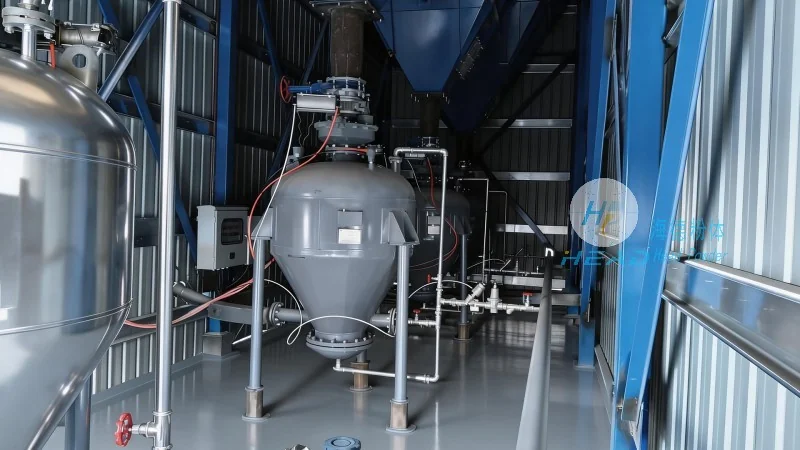
4. Control System: An automated system that regulates the flow of material and air, ensuring optimal performance and preventing issues like blockages or overpressure. The control system may include sensors for pressure, flow, and level, as well as actuators to adjust valves and other components.
Working Principle of the Pneumatic Conveying Process
The operation of the PVA formaldehyde condensate pneumatic conveying system follows a systematic process, which can be broken down into several stages:
1. Material Feeding: The PVA formaldehyde condensate is fed from the hopper into the pneumatic line via a rotary valve or a star feeder. The feed rate is controlled by the control system to match the air flow and prevent material buildup.
2. Air Injection: The air compressor or blower supplies compressed air into the conveying line, creating a pressure differential that propels the material forward. The air velocity is carefully managed to ensure the material is fully suspended and transported without excessive wear or degradation.
3. Transport and Discharge: The material is carried through the pipeline by the air flow, reaching the discharge point where it is collected in a receiving hopper or storage tank. The system may include a cyclone separator or a filter to remove any air from the material before discharge, ensuring a clean and efficient process.
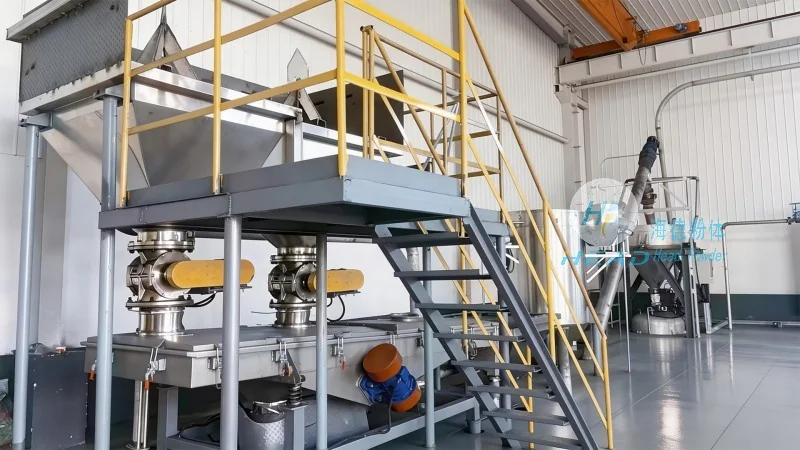
Operation Process and Efficiency Considerations
The operation of the PVA formaldehyde condensate pneumatic conveying equipment is designed to maximize efficiency and minimize downtime. Key factors that influence the performance include:
1. System Sizing: Proper sizing of the air compressor, conveying line diameter, and air velocity is crucial to ensure the material is transported at the desired rate without excessive energy consumption or pressure loss.
2. Material Properties: The physical and chemical properties of PVA formaldehyde condensate, such as moisture content, particle size distribution, and bulk density, must be considered when designing the system to avoid issues like clogging or reduced conveying efficiency.
3. Maintenance and Monitoring: Regular maintenance of the equipment, including cleaning of the conveying line, replacement of worn parts, and monitoring of system parameters, is essential to maintain optimal performance and extend the equipment's lifespan.
Benefits of Using Pneumatic Conveying for PVA Formaldehyde Condensate
Implementing a pneumatic conveying system for PVA formaldehyde condensate offers several advantages over traditional material handling methods:
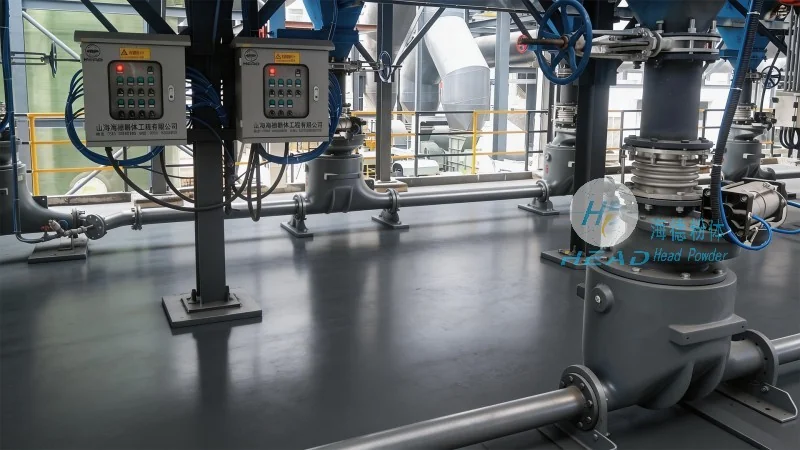
1. Hygienic and Contamination-Free: Pneumatic conveying eliminates the risk of cross-contamination from mechanical components, making it suitable for applications where material purity is critical.
2. Space Efficiency: The compact design of the system allows for installation in limited spaces, reducing the footprint required for material handling operations.
3. Energy Efficiency: Modern pneumatic conveying systems are designed to operate with minimal energy consumption, reducing operational costs and environmental impact.
4. Flexibility: The system can be easily adapted to different production requirements, such as changes in material flow rates or discharge locations, without major modifications.
Conclusion
HeadPowder's PVA formaldehyde condensate pneumatic conveying equipment exemplifies advanced engineering solutions for efficient material handling. By understanding the working principle and operation process, industries can leverage these systems to enhance productivity, ensure material quality, and reduce operational costs. With a strong presence in Shandong, China, HeadPowder continues to provide reliable and innovative solutions tailored to the unique needs of industrial applications.