

Operation Process and Working Principle of a Plug-Type Material Pneumatic Conveying Line
HeadPowder, a leading engineering firm based in Shandong, China, specializes in the design, manufacturing, and installation of advanced pneumatic conveying systems. Among their portfolio is the plug-type material pneumatic conveying line, a sophisticated solution for efficient bulk material transport. This article delves into the operational process and underlying working principles of this technology, providing a comprehensive understanding for industry professionals and potential clients.
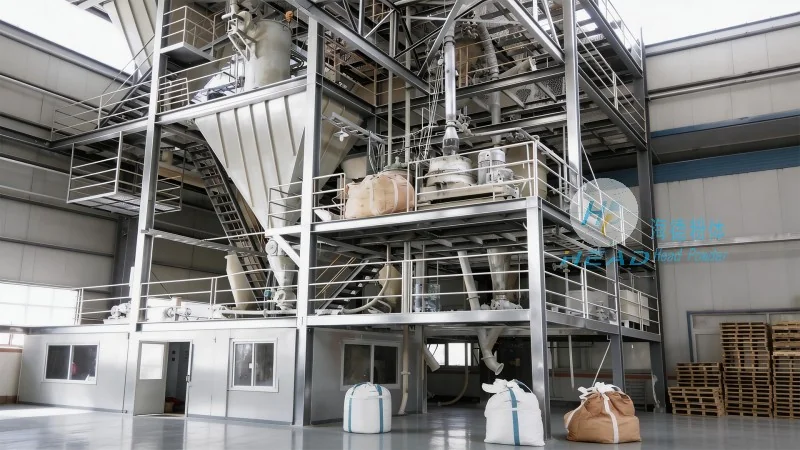
Introduction to Plug-Type Pneumatic Conveying Systems
Plug-type pneumatic conveying lines are engineered to transport dry bulk materials through a pipeline using a combination of air pressure and controlled material flow. The system operates by creating a "plug"—a dense, moving column of material—within the pipeline, which is propelled forward by compressed air. This method offers significant advantages over traditional conveying techniques, including reduced material degradation, lower energy consumption, and enhanced safety. HeadPowder's expertise in this field ensures that their plug-type systems are tailored to meet the specific needs of various industries, such as food processing, chemical manufacturing, and pharmaceutical production.
Key Components of a Plug-Type Pneumatic Conveying Line
The plug-type system consists of several critical components that work in tandem to achieve efficient material transport. These include a hopper for material storage, a feeder to control the flow rate, a pipeline where the plug forms, a compressor to generate the necessary air pressure, and a receiver for the delivered material. Each component is designed with precision to maintain the integrity of the material and optimize the conveying process. For instance, the hopper is equipped with a discharge valve that regulates the material feed, while the feeder ensures a consistent flow rate to prevent clogging or uneven plug formation. The pipeline, typically made of durable materials like stainless steel or polyethylene, is sized to accommodate the plug's dimensions and minimize pressure losses. The compressor, often a positive displacement type, provides the high-pressure air required to move the plug, and the receiver is designed to collect the material at the destination point without causing spillage or degradation.
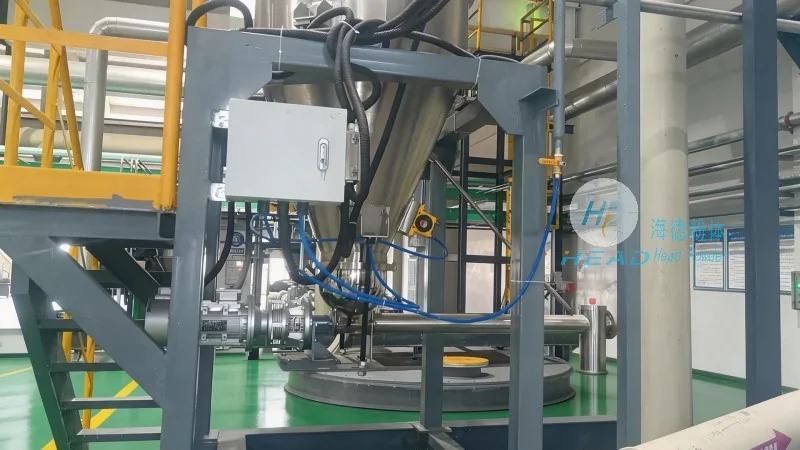
The Operational Process: Step-by-Step Breakdown
The operation of a plug-type pneumatic conveying line involves a sequence of well-coordinated steps that ensure smooth and efficient material transport. The process begins with the material being loaded into the hopper from a storage silo or bulk container. The discharge valve in the hopper then opens, allowing the material to flow into the feeder. The feeder, which may be a rotary or screw type, controls the rate at which material enters the pipeline, creating a steady stream that forms the plug. Simultaneously, the compressor starts and generates compressed air, which is introduced into the pipeline at a specific point, typically near the feeder. As the air mixes with the material, it creates a dense, cohesive plug that moves forward due to the pressure differential between the inlet and outlet of the system. The plug travels through the pipeline, maintaining its shape and integrity, until it reaches the receiver at the end of the line. At the receiver, the plug is decompressed, and the material is discharged into a storage bin or processing unit. The system then resets, and the cycle repeats. This continuous process allows for the reliable and consistent transport of bulk materials over long distances, even with varying material properties or flow rates.
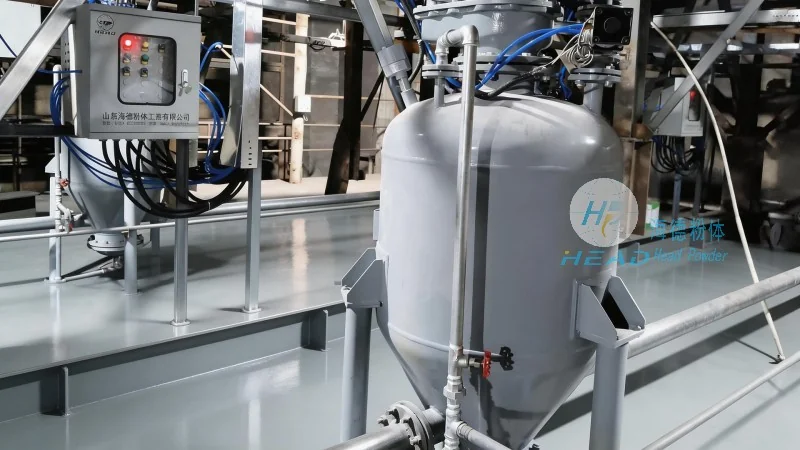
Working Principle: How the Plug Forms and Moves
The core working principle of a plug-type pneumatic conveying line revolves around the creation and movement of a "plug"—a solid, moving column of material within the pipeline. The formation of the plug is a result of the interaction between the material's physical properties and the controlled air flow. When material is fed into the pipeline at a rate that matches the air flow, it forms a dense, compacted column that is resistant to air leakage. The plug's movement is driven by the pressure difference between the inlet (where air is introduced) and the outlet (where the material is discharged). The compressor maintains a higher pressure at the inlet, which pushes the plug forward through the pipeline. The plug's shape and size are determined by factors such as the material's density, flowability, and the pipeline diameter. For example, a higher material density requires a larger plug to maintain the pressure differential, while a smaller diameter pipeline may restrict the plug's size. HeadPowder's engineers carefully calculate these parameters to ensure optimal plug formation and minimal energy consumption. The plug's movement is also influenced by the pipeline's length and any bends or changes in direction, which may require additional air pressure or adjustments to the feeder rate to maintain the plug's integrity.
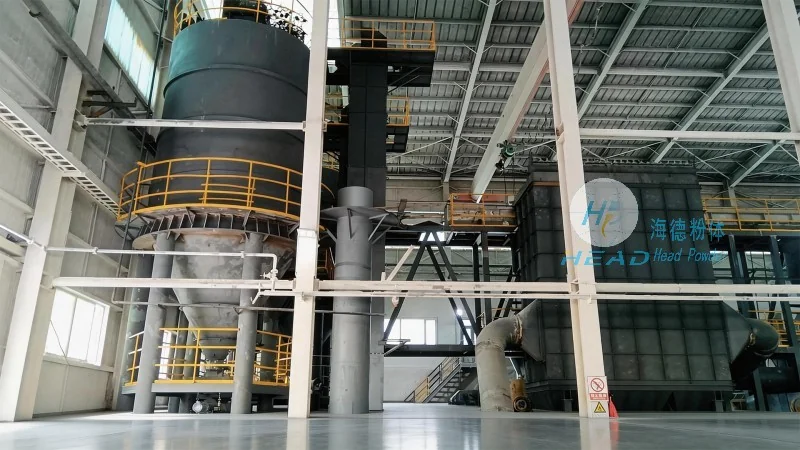
Advantages and Applications of Plug-Type Systems
Plug-type pneumatic conveying lines offer several advantages that make them a preferred choice for bulk material transport in various industries. One of the primary benefits is the reduction in material degradation, as the plug formation minimizes particle impact and friction within the pipeline. This is particularly important for sensitive materials like food products, pharmaceuticals, or chemicals that require strict quality control. Additionally, the system is energy-efficient compared to other pneumatic conveying methods, as it uses less air pressure and consumes less power to transport the same amount of material. The plug-type system also provides enhanced safety, as it operates with enclosed pipelines, preventing dust emissions and minimizing the risk of material spillage. HeadPowder's plug-type systems are widely used in industries such as food processing (e.g., conveying flour, sugar, or grains), chemical manufacturing (e.g., transporting powders or granules), and pharmaceutical production (e.g., moving raw materials or finished products). The versatility of the system allows it to handle a wide range of materials, from fine powders to coarse granules, making it suitable for diverse applications.
Conclusion: The Role of HeadPowder in Advanced Material Transport
HeadPowder Engineering Co., Ltd., based in Shandong, China, is a trusted provider of plug-type material pneumatic conveying lines, offering customized solutions that meet the unique requirements of each client. By understanding the operational process and working principles of these systems, industry professionals can appreciate the efficiency and reliability of plug-type technology. HeadPowder's commitment to quality, innovation, and customer satisfaction ensures that their systems deliver optimal performance, reducing operational costs and improving material handling efficiency. As the demand for efficient bulk material transport continues to grow, plug-type pneumatic conveying lines remain a critical solution, and HeadPowder's expertise positions them as a leader in this field.