

Operation Process and Working Principle of Pneumatic Conveying Lines for Petrochemical Materials
HeadPowder, a leading engineering firm based in Shandong, China, specializes in the design, installation, and maintenance of pneumatic conveying systems tailored for petrochemical applications. This article provides a detailed overview of the operational process and underlying principles of such systems, highlighting their efficiency and reliability in handling various petrochemical materials.
The Working Principle of Pneumatic Conveying Systems
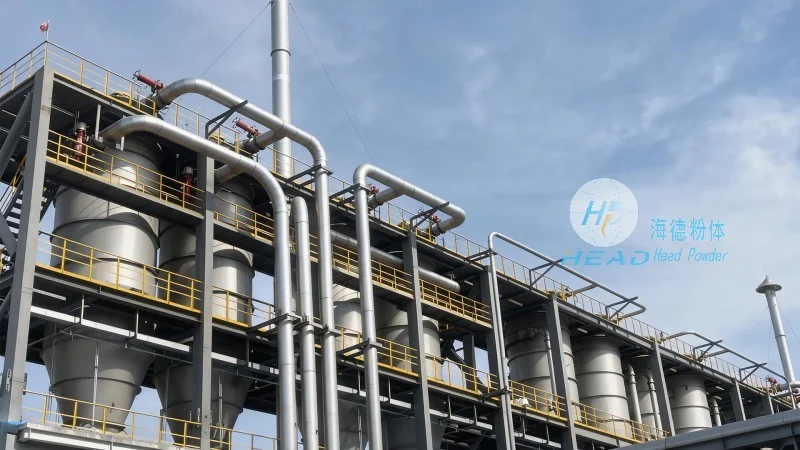
Pneumatic conveying lines operate on the fundamental principle of transporting bulk materials through a pipeline using a moving gas stream, typically air or a combination of air and other gases. The system consists of several key components, including a material feed hopper, a conveyor pipeline, a gas source (such as a blower or compressor), and a discharge device. The process begins when the material is introduced into the hopper, where it is then drawn into the pipeline by the moving gas. The gas flow creates a negative pressure (suction) or positive pressure (blowing) within the pipeline, depending on the system design, to move the material from the source to the destination. This method allows for the safe and efficient transfer of materials, even in hazardous environments common in petrochemical industries.
Step-by-Step Operation Process of Pneumatic Conveying Lines
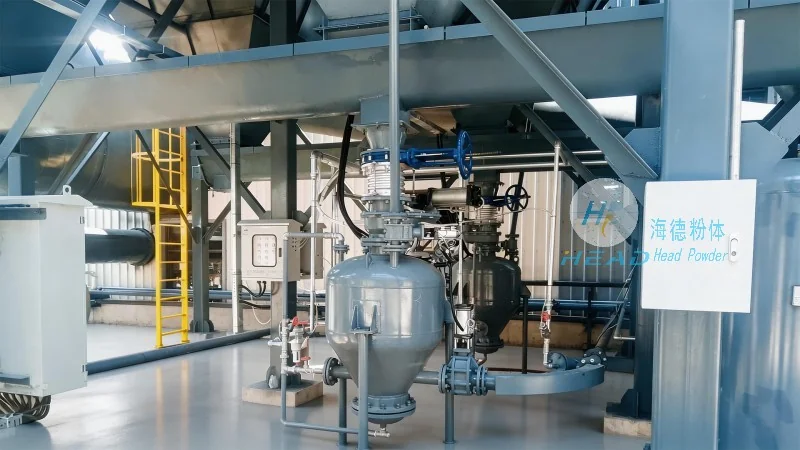
The operation of a pneumatic conveying line involves several sequential steps that ensure smooth and continuous material transfer. First, the material is loaded into the feed hopper, which may include a pre-processing unit such as a feeder or a silo to regulate the flow rate. Next, the gas source is activated, generating the necessary pressure or suction to initiate the conveying process. As the gas moves through the pipeline, it entrains the material particles, forming a slurry-like mixture that travels to the discharge point. The discharge device, such as a rotary valve or a venturi, then separates the material from the gas, allowing the material to be deposited at the desired location. Finally, the system is monitored for performance, with sensors and controls ensuring optimal operation and preventing issues like blockages or pressure fluctuations.
Key Advantages of Pneumatic Conveying Systems in Petrochemical Applications
Pneumatic conveying systems offer numerous advantages for petrochemical material handling, making them a preferred choice in the industry. These include the ability to handle a wide range of materials, from powders and granules to bulk solids, with minimal product degradation. The enclosed pipeline design ensures environmental safety, preventing dust emissions and protecting the material from contamination. Additionally, the systems are highly flexible, allowing for easy integration with existing facilities and adaptation to changing production needs. The automated operation reduces labor costs and enhances safety by minimizing human exposure to hazardous materials. Furthermore, the energy efficiency of modern pneumatic conveying systems, particularly those using high-efficiency blowers, contributes to cost savings and environmental sustainability.
HeadPowder's Expertise in Pneumatic Conveying Solutions
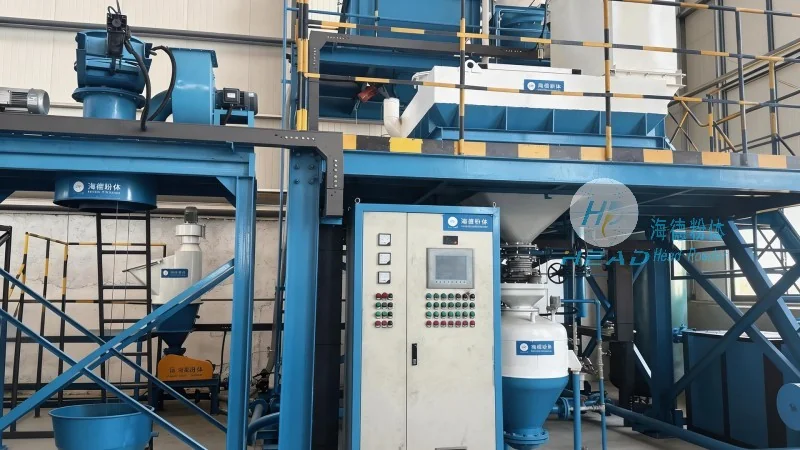
Shandong HeadPowder Engineering Co., Ltd. leverages decades of experience in the engineering and manufacturing of pneumatic conveying systems to deliver tailored solutions for petrochemical clients. The company's team of skilled engineers and technicians works closely with clients to understand their specific material handling challenges and design systems that meet their operational requirements. From initial consultation and system design to installation and ongoing maintenance, HeadPowder provides comprehensive support to ensure the long-term performance and reliability of the conveying lines. The company's commitment to quality and innovation is reflected in its use of advanced materials and technologies, such as high-strength stainless steel for corrosion resistance and intelligent control systems for real-time monitoring. By partnering with HeadPowder, petrochemical facilities can enhance their material handling efficiency, reduce operational costs, and improve overall safety.