HeadPowder, a leading engineering company based in Shandong, China, specializes in the design, manufacturing, and installation of advanced pneumatic conveying systems tailored for handling iron powder and similar fine particulate materials. This article provides a detailed overview of the operation process and working principles of such systems, highlighting the key components, operational mechanisms, and practical considerations for efficient material transport.
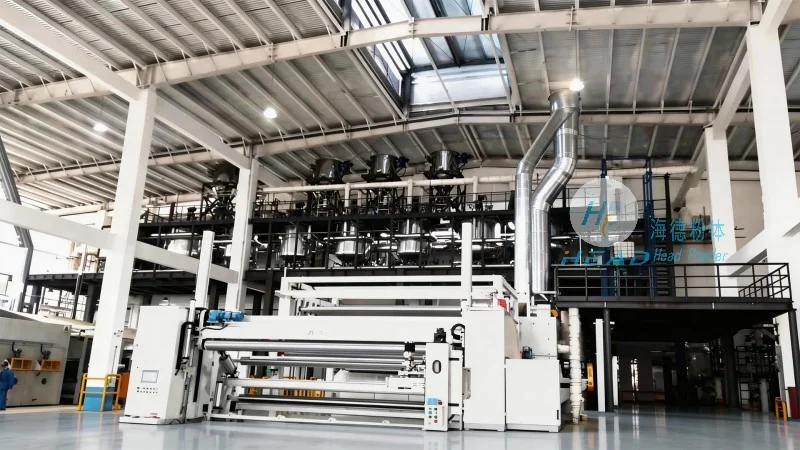
Key Components of Iron Powder Pneumatic Conveying Systems
The iron powder pneumatic conveying line typically consists of several critical components that work in concert to ensure reliable and efficient material transport. These components include the material hopper, feeder, air compressor or blower, conveying pipes, control valves, and a dust collection system. Each component plays a vital role in the overall system performance.
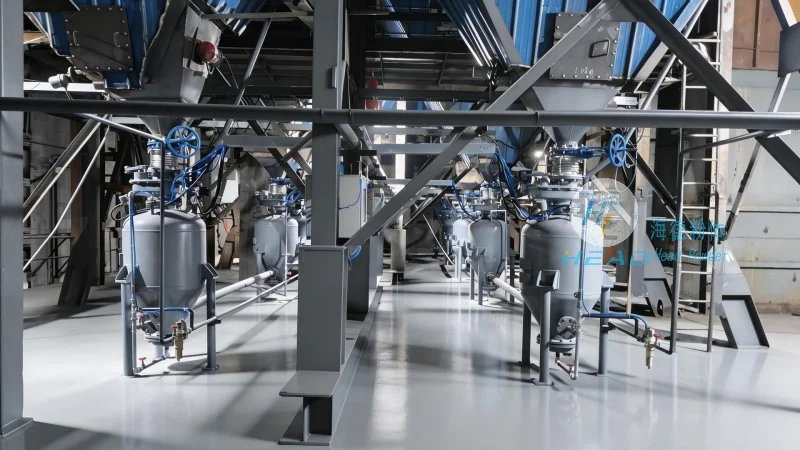
The material hopper is designed to store the iron powder, providing a stable feed source. It is equipped with a level indicator to monitor the material inventory and a discharge valve to regulate the flow rate. The feeder, often a rotary valve or a screw feeder, controls the precise discharge of iron powder into the conveying line, ensuring consistent material feed without blockages or overfeeding.
The air compressor or blower generates the necessary air pressure to move the iron powder particles through the conveying pipes. The choice of compressor type depends on the system's requirements, such as the material's properties, pipeline length, and desired flow rate. High-pressure blowers are commonly used for long-distance or high-capacity conveying, while low-pressure systems are suitable for shorter distances or less demanding applications.
The conveying pipes are made of durable materials like stainless steel or plastic, resistant to corrosion and wear from the iron powder. The pipe layout is carefully designed to minimize pressure losses and ensure smooth material flow. Control valves, including check valves and flow control valves, regulate the air flow and material discharge, preventing backflow and maintaining system stability.
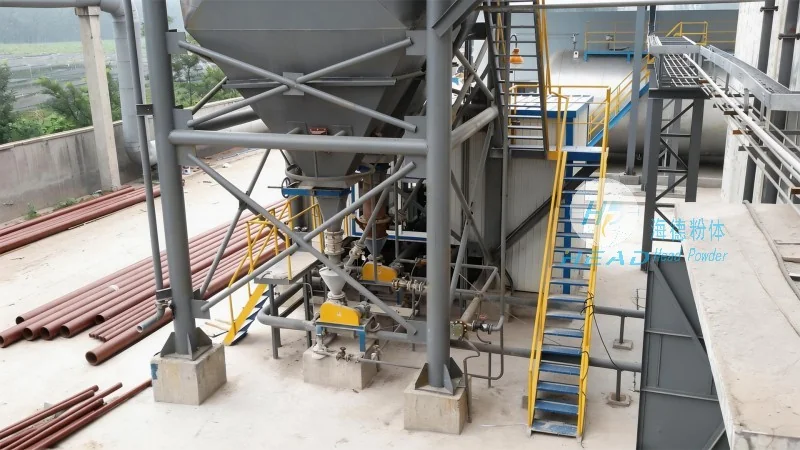
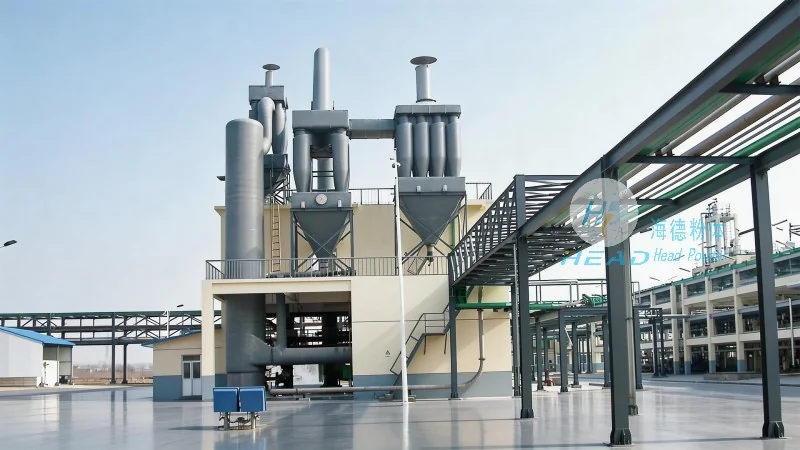
The dust collection system, often an air filter or cyclone separator, captures any airborne particles and returns them to the material hopper, ensuring environmental compliance and material recovery. This system is essential for maintaining air quality and preventing dust accumulation in the facility.
Working Principle of the Pneumatic Conveying Process
The operation of an iron powder pneumatic conveying line follows a systematic process that involves the generation of air flow, material induction, and transport through the pipeline. The working principle can be broken down into several key steps:
1. **Material Preparation and Feeding**: The iron powder is stored in the hopper and discharged through the feeder at a controlled rate. The feeder ensures a consistent flow of material into the conveying line, preventing clogging and maintaining system efficiency.
2. **Air Generation and Compression**: The air compressor or blower generates high-pressure air, which is then directed into the conveying pipe. The air pressure is adjusted to match the material's properties and the system's requirements, ensuring sufficient force to move the iron powder particles.
3. **Material Induction and Suspension**: As the air flows through the pipe, it creates a low-pressure zone that draws the iron powder particles into the air stream. The air velocity is maintained above the material's terminal velocity, keeping the particles suspended and preventing settling or deposition in the pipeline.
4. **Transport and Delivery**: The suspended iron powder particles are carried along the conveying pipe to the destination point, such as a storage silo or processing unit. The pipe layout is designed to minimize pressure drops and ensure smooth material transport, with bends and fittings carefully selected to maintain air flow efficiency.
5. **Dust Collection and Material Recovery**: At the receiving end, the air and material mixture passes through the dust collection system. The system separates the iron powder from the air, returning the material to the hopper and releasing clean air back into the environment. This step ensures material recovery and compliance with environmental regulations.
Operational Considerations and Maintenance
Efficient operation of an iron powder pneumatic conveying line requires careful consideration of several factors, including material properties, system design, and regular maintenance. Proper maintenance is crucial to ensure the system's longevity and performance.
**Material Properties**: Iron powder can be abrasive and prone to caking, which may affect the system's performance. The material's particle size, density, and moisture content are critical factors that influence the conveying velocity and system pressure. Proper material conditioning, such as drying or size reduction, may be necessary to optimize system performance.
**System Design**: The design of the conveying line, including pipe diameter, length, and layout, directly impacts the system's efficiency. Proper sizing of the air compressor and control valves ensures sufficient air pressure and flow rate to handle the material load. The use of appropriate fittings, such as elbows and tees, minimizes pressure losses and reduces energy consumption.
**Maintenance Practices**: Regular maintenance of the system components is essential to prevent breakdowns and ensure reliable operation. This includes checking the air compressor for proper operation, inspecting the feeder for blockages, cleaning the dust collection system, and lubricating moving parts. Routine inspections and maintenance schedules help identify potential issues early, reducing downtime and maintenance costs.
Conclusion
HeadPowder's iron powder pneumatic conveying lines offer a reliable and efficient solution for transporting fine particulate materials like iron powder. By understanding the key components, working principles, and operational considerations, users can optimize system performance and ensure long-term operation. With proper design, maintenance, and material handling practices, these systems provide a cost-effective and environmentally friendly method for material transport in various industrial applications.




