

Operation Process and Working Principle of Pneumatic Conveying Line for Powdered Milk Materials
For manufacturers dealing with powdered milk materials, the efficiency and reliability of material handling systems are critical to production continuity and product quality. Pneumatic conveying lines, specifically designed for such applications, offer a solution that integrates seamlessly into modern processing facilities. This article explores the operation process and working principle of a powdered milk material pneumatic conveying line, highlighting the key components, operational steps, and technical aspects that ensure optimal performance.
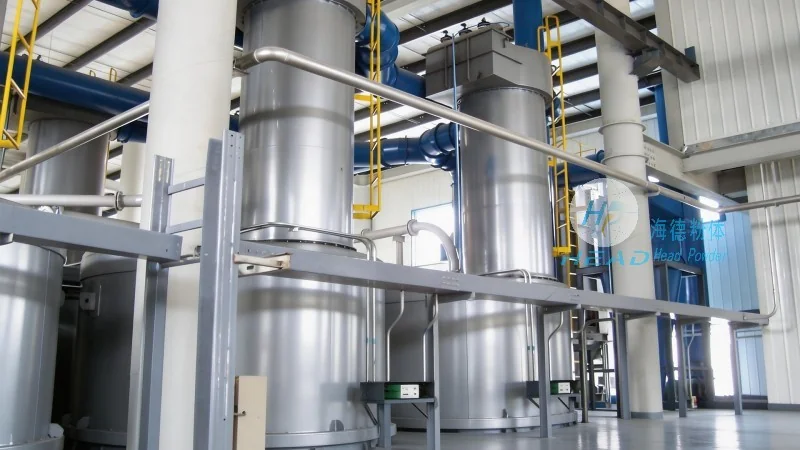
Company Introduction: HeadPowder
HeadPowder, formally known as Shandong HeadPowder Engineering Co., Ltd., is a leading manufacturer specializing in the design, development, and production of pneumatic conveying systems. With a strong presence in China, particularly in Shandong province, the company leverages decades of industry experience to deliver high-quality solutions tailored to the unique demands of the dairy and food processing sectors. HeadPowder's commitment to innovation and customer satisfaction has established it as a trusted partner for businesses seeking advanced material handling technologies.
Overview of Pneumatic Conveying Systems for Powdered Milk
Pneumatic conveying lines are mechanical systems that transport bulk materials, such as powdered milk, using a gas stream, typically air. These systems are widely preferred in the dairy industry due to their ability to handle fine powders without generating dust, preserving product integrity, and ensuring hygienic operation. The design of a powdered milk pneumatic conveying line is tailored to meet the specific characteristics of the material, including particle size, moisture content, and flowability, to achieve efficient and safe transportation from source to destination.
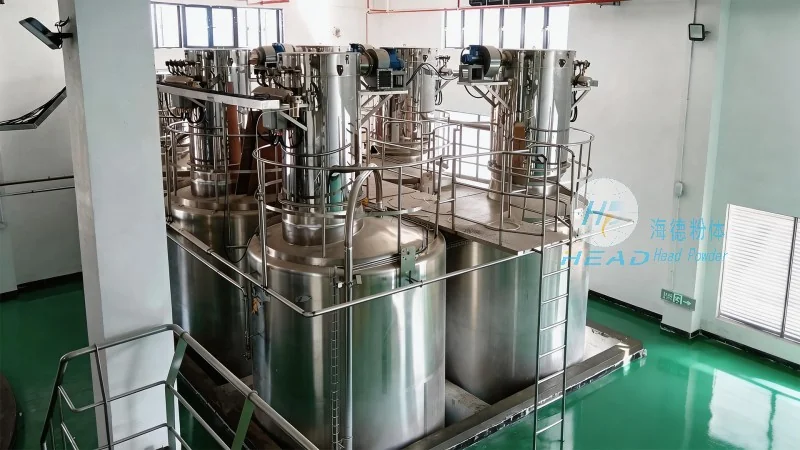
Key Components of the Pneumatic Conveying Line
The operation of a pneumatic conveying line for powdered milk involves several interconnected components, each playing a crucial role in the overall process. The primary components include the material hopper, feeder, air compressor, conveying pipe, control valves, and discharge hopper. The material hopper stores the powdered milk and feeds it to the feeder, which regulates the flow rate to maintain consistent pressure and flow within the system. The air compressor generates the necessary air pressure to create the conveying stream, while the conveying pipe transports the material and air mixture to the discharge point. Control valves are used to manage the air flow and material flow, ensuring smooth operation and preventing blockages or over-pressurization. The discharge hopper collects the material at the end of the conveying line, ready for further processing or packaging.
Operation Process: Step-by-Step Guide
The operation of a powdered milk pneumatic conveying line follows a systematic sequence of steps, ensuring that the material is transported efficiently and safely. The process begins with the loading of powdered milk into the material hopper. The feeder then starts, feeding the material into the conveying pipe at a controlled rate. Simultaneously, the air compressor activates, generating the required air pressure to create a flow of air through the pipe. As the material is introduced into the pipe, it is entrained by the air stream and carried to the discharge hopper. The control valves adjust the air flow and material flow as needed to maintain optimal pressure and flow rates, preventing any fluctuations that could lead to system inefficiencies or material degradation. The entire process is monitored by the control system, which ensures that the conveying line operates within safe and efficient parameters. Once the material reaches the discharge hopper, it is collected and prepared for the next stage of production or packaging.
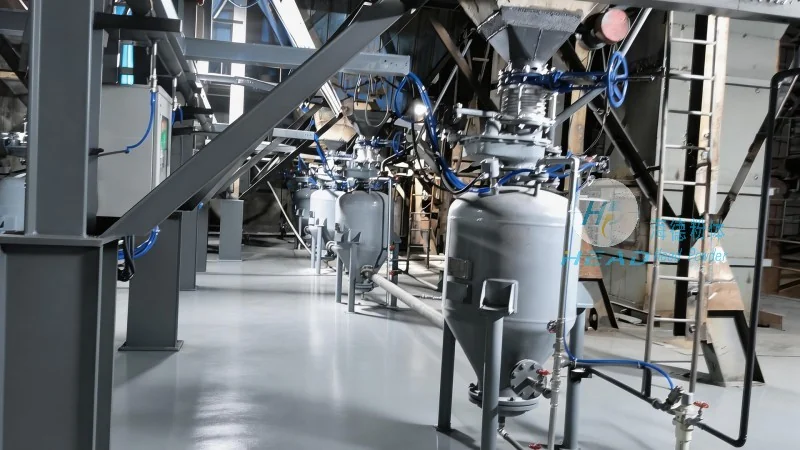
Working Principle: How Pneumatic Conveying Works
The working principle of a pneumatic conveying line for powdered milk is based on the fundamental concept of fluidization and suspension. The air compressor generates a high-pressure air stream that flows through the conveying pipe. As the powdered milk is introduced into the pipe, the air stream lifts and suspends the particles, creating a mixture of air and material. The velocity of the air stream is critical; it must be sufficient to keep the particles suspended and prevent them from settling or clogging the pipe. The conveying system can operate in either suction or pressure mode, depending on the application and system design. In suction mode, the system draws material from a lower point and transports it to a higher point, while in pressure mode, the system pushes material from a higher point to a lower point. The choice of mode depends on factors such as the distance to be covered, the height difference, and the material characteristics. The control system continuously monitors the pressure and flow rates, adjusting the air compressor output as needed to maintain the optimal conveying conditions.
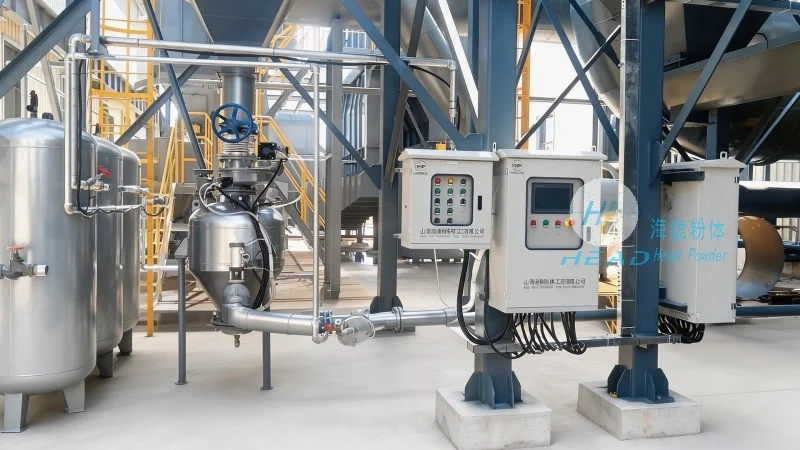
Technical Advantages and Considerations
Pneumatic conveying lines for powdered milk offer several technical advantages that make them an ideal choice for modern processing facilities. One of the key advantages is the ability to handle fine powders without generating dust, which is essential for maintaining product quality and compliance with hygiene standards. The system also provides a closed-loop operation, preventing contamination from external sources and ensuring that the material remains clean and free from moisture or other contaminants. Additionally, pneumatic conveying systems are highly efficient, with minimal energy consumption compared to other material handling methods. They are also flexible, allowing for easy integration into existing production lines and adaptation to changing production requirements. However, there are some considerations to keep in mind when implementing a pneumatic conveying line. For example, the system requires regular maintenance to ensure optimal performance, and the air compressor must be sized appropriately to handle the material flow rate and pressure requirements. Proper sealing and filtration are also critical to prevent air leaks and maintain the quality of the conveying air.
Conclusion: Enhancing Efficiency in Powdered Milk Processing
In conclusion, the operation process and working principle of a powdered milk material pneumatic conveying line are designed to provide efficient, reliable, and hygienic transportation of fine powders. The system's components work in harmony to ensure that the material is handled with care, maintaining its quality and integrity throughout the process. HeadPowder, with its expertise in pneumatic conveying technology, offers tailored solutions that meet the specific needs of dairy and food processing industries. By understanding the operation process and working principle of such systems, manufacturers can optimize their material handling operations, improve productivity, and ensure consistent product quality. The adoption of advanced pneumatic conveying lines is a strategic investment that enhances operational efficiency and supports long-term business success in the competitive dairy market.