

Operation Process and Working Principle of Aggregate Material Pneumatic Conveying Lines
For companies in the construction and mining sectors, efficient material handling is a critical factor in maintaining productivity and operational costs. Pneumatic conveying lines, specifically designed for aggregate materials such as sand, gravel, and crushed stone, offer a reliable solution to transport bulk materials over long distances with minimal maintenance. This article explores the operation process and working principles of such systems, highlighting the key components and how they contribute to seamless material transport.
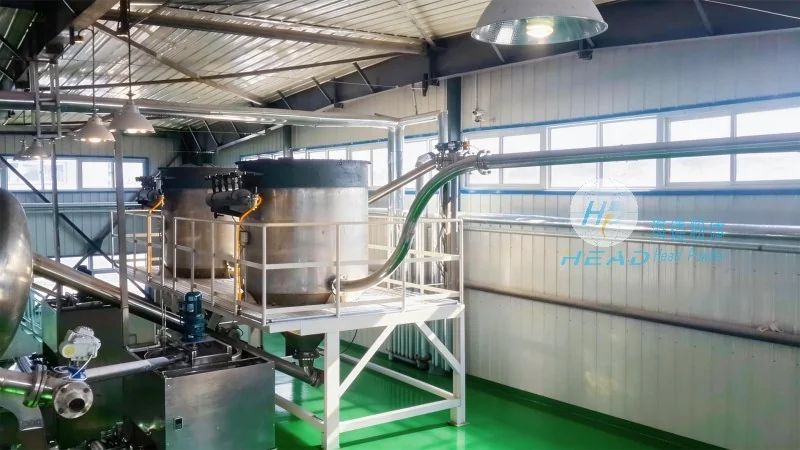
Key Components of Aggregate Material Pneumatic Conveying Systems
The core of any pneumatic conveying line is a series of interconnected components that work in harmony to move materials. The primary elements include a material hopper, a rotary feeder, a conveying pipeline, a pressure vessel or receiver, and a dust collection system. Each component plays a vital role in ensuring the system operates efficiently and safely. The material hopper serves as the storage container, holding the aggregate material ready for transport. The rotary feeder, often a star valve or screw feeder, regulates the flow of material into the pipeline, preventing overfilling and ensuring a consistent feed rate. The conveying pipeline, typically made of stainless steel or other corrosion-resistant materials, transports the material under pressure. The pressure vessel or receiver collects the material at the end of the line, while the dust collection system captures any airborne particles to maintain air quality and prevent contamination.
Working Principle of Pneumatic Conveying Lines
The operation of a pneumatic conveying line for aggregate materials is based on the principle of using air as the conveying medium. There are two main types of systems: pressure and vacuum. In a pressure system, compressed air is introduced into the pipeline, pushing the material forward. The material is suspended in the air stream and travels through the pipeline until it reaches the receiver. In a vacuum system, a vacuum pump creates a negative pressure that draws the material from the hopper into the pipeline. The material is then carried by the air flow to the destination. The choice between pressure and vacuum depends on the distance, material characteristics, and system layout. For aggregate materials, pressure systems are often preferred due to their ability to handle larger particles and longer distances with higher efficiency.
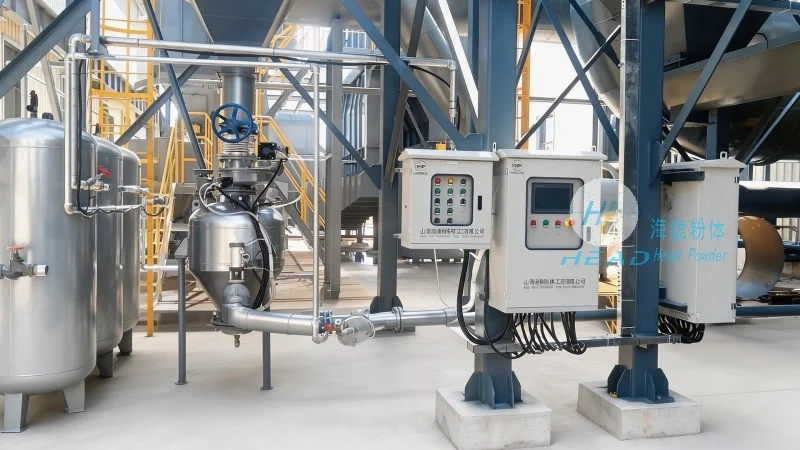
Operation Process of Aggregate Material Pneumatic Conveying Lines
The operation process of a pneumatic conveying line involves several sequential steps. First, the aggregate material is loaded into the material hopper. The rotary feeder then regulates the flow of material into the pipeline, ensuring a steady supply. Compressed air is introduced into the pipeline, creating a pressure that moves the material forward. The material travels through the pipeline, suspended in the air stream, and reaches the receiver at the end of the line. The receiver collects the material, which can then be discharged for further processing or storage. The system also includes a control panel that monitors pressure, flow rate, and other parameters, allowing operators to adjust the system as needed. Regular maintenance, such as cleaning the hopper and pipeline and checking the air compressor, is essential to ensure the system operates efficiently and prevents downtime.
Benefits of Using Pneumatic Conveying Lines for Aggregate Materials
Implementing a pneumatic conveying line for aggregate materials offers several advantages over traditional methods like belt conveyors or trucks. One of the key benefits is the ability to transport materials over long distances without the need for multiple transfer points. This reduces the risk of material spillage and contamination, which is particularly important for aggregate materials used in construction projects. Additionally, pneumatic conveying systems are more compact and can be installed in areas with limited space, making them suitable for urban or industrial settings. The system also minimizes labor costs as it requires fewer operators to manage compared to manual handling methods. Furthermore, the enclosed pipeline design prevents dust and debris from entering the environment, improving air quality and reducing the risk of respiratory issues for workers. Overall, the use of pneumatic conveying lines for aggregate materials enhances operational efficiency, reduces costs, and improves safety in material handling processes.
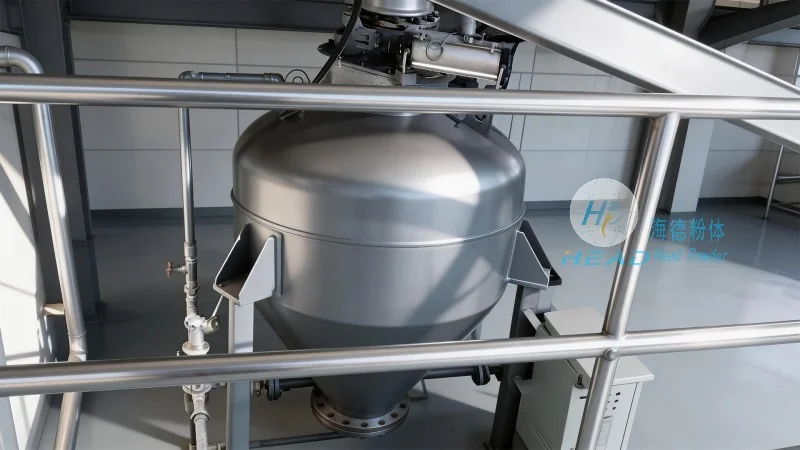
Application Examples in the Construction Industry
Pneumatic conveying lines for aggregate materials are widely used in various applications within the construction industry. For example, in concrete production plants, these systems are used to transport sand and gravel from storage silos to the mixing plant. This ensures a consistent supply of raw materials, which is crucial for maintaining the quality of concrete. In mining operations, pneumatic conveying lines are used to transport crushed ore from the mine to processing facilities. This method is particularly effective for transporting materials over long distances without the need for heavy machinery or trucks. Additionally, in road construction projects, aggregate materials are conveyed from stockpiles to the construction site, allowing for efficient material distribution. The flexibility of pneumatic conveying systems allows them to be adapted to different project requirements, making them a versatile solution for various construction applications.
Conclusion and Company Information
Pneumatic conveying lines for aggregate materials are an efficient and reliable solution for bulk material transport in the construction and mining sectors. By understanding the operation process and working principles of these systems, companies can optimize their material handling processes, reduce costs, and improve overall productivity. Shandong HeadPowder Engineering Co., Ltd., a leading provider of such systems, specializes in designing and manufacturing customized pneumatic conveying solutions tailored to the specific needs of their clients. With a focus on quality and innovation, HeadPowder ensures that their systems meet the highest standards of performance and safety. Based in Shandong, China, the company leverages its expertise to deliver reliable and efficient material handling solutions for aggregate materials, helping businesses enhance their operational efficiency and achieve their goals.