Quartz sand is a critical industrial material utilized across multiple sectors including construction, glass production, and water treatment. The efficient and reliable transportation of quartz sand from storage to processing units is essential for maintaining production efficiency and minimizing operational costs. Pneumatic conveying systems have become a preferred solution for handling quartz sand due to their ability to transport materials in a dust-free environment, reducing contamination and ensuring product integrity.
Introduction to Pneumatic Conveying Systems for Quartz Sand
HeadPowder, a leading engineering firm headquartered in Shandong, China, specializes in designing and manufacturing advanced pneumatic conveying systems tailored for quartz sand applications. The company leverages its expertise in integrating robust components and innovative control technologies to deliver high-performance solutions that meet the specific needs of industrial clients. This article provides a comprehensive overview of the operation process and working principle of a typical quartz sand pneumatic conveying system, highlighting key components, operational steps, and technical advantages.
Key Components of Quartz Sand Pneumatic Conveying Systems
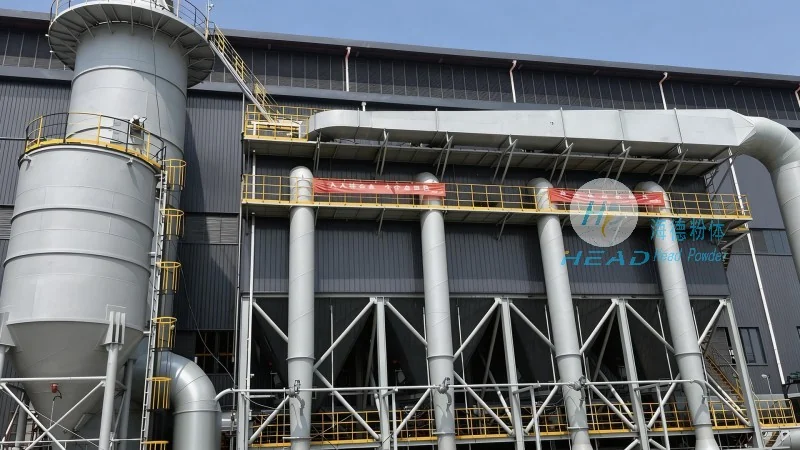
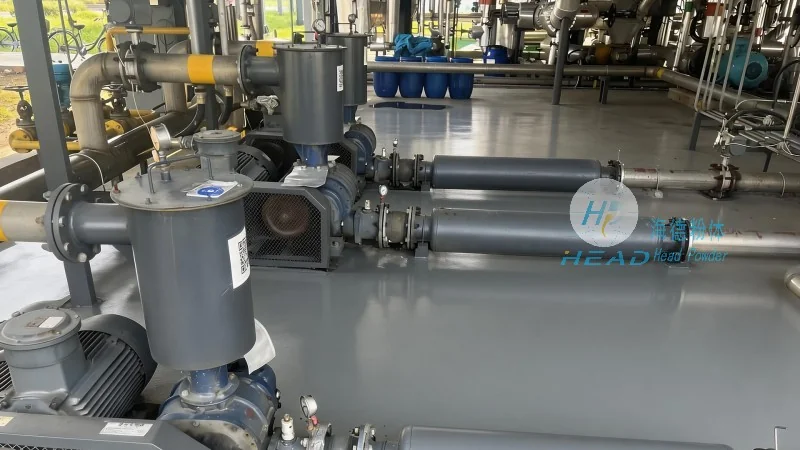
The core components of a quartz sand pneumatic conveying system include the hopper, feeder, air compressor, conveying pipeline, dust collector, and control system. Each component is integral to ensuring smooth and efficient material transport. The hopper serves as the storage vessel for quartz sand, while the feeder regulates the material flow rate to maintain consistent pressure and flow within the pipeline. The air compressor generates the necessary air pressure to move the sand particles through the conveying line. The conveying pipeline, typically constructed from stainless steel or other corrosion-resistant materials, ensures safe and efficient transport of the material. The dust collector is crucial for capturing and filtering air, preventing dust emissions and maintaining a clean working environment. The control system monitors and adjusts system parameters in real-time to optimize performance and prevent operational issues.
Working Principle of Quartz Sand Pneumatic Conveying
The working principle of a quartz sand pneumatic conveying system involves using compressed air to transport the material through a pipeline. The process initiates with quartz sand loaded into the hopper. The feeder then releases the sand into the conveying line at a controlled rate. Simultaneously, the air compressor supplies high-pressure air into the pipeline. The air and sand particles mix and move together through the pipeline, with the air providing the necessary force to propel the sand. The system can operate in either positive or negative pressure modes, depending on application requirements. Positive pressure systems maintain pipeline pressure above atmospheric levels, while negative pressure systems maintain lower pressure than the surrounding environment. The choice of pressure mode depends on factors such as transport distance, material volume, and the need to prevent dust leakage.
Operation Process of Quartz Sand Pneumatic Conveying
The operation process of a quartz sand pneumatic conveying system involves sequential steps. The system is started by activating the air compressor and the feeder. The hopper is filled with quartz sand, and the feeder adjusts the flow rate to match system capacity. The air compressor then generates the required air pressure, distributed to the conveying pipeline. As sand is released from the feeder, it mixes with compressed air and is transported to the destination point, such as a processing unit or storage silo. The system continuously monitors pressure and flow rates to ensure stable operation. If blockages or pressure drops occur, the control system triggers alarms and adjusts parameters to restore normal operation. The system may also include automatic shut-off valves and cleaning mechanisms to prevent clogging and maintain efficiency.
Advantages of Quartz Sand Pneumatic Conveying Systems
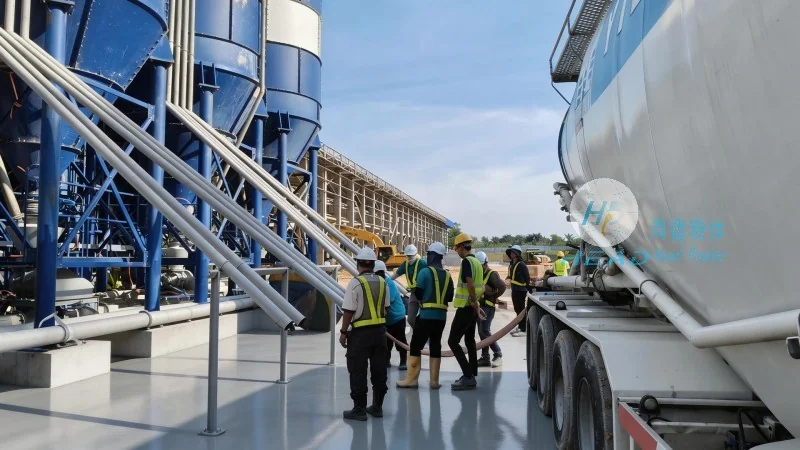
Quartz sand pneumatic conveying systems offer several advantages over traditional methods like belt conveyors or bucket elevators. Firstly, they provide a dust-free transport environment, critical for maintaining quartz sand quality, especially in food or pharmaceutical applications. Secondly, the systems are compact, requiring less floor space compared to other conveying methods, suitable for installations with limited area. Thirdly, the systems are flexible and easily integrated with existing production lines, enabling seamless material transfer. Additionally, the systems are energy-efficient, using compressed air to transport material, reducing reliance on energy-consuming mechanical components. Finally, the systems have low maintenance requirements, with fewer moving parts and components needing regular servicing, leading to lower operational costs and increased uptime.
Applications of Quartz Sand Pneumatic Conveying Systems
Quartz sand pneumatic conveying systems are widely used across various industries requiring quartz sand transportation. In the construction industry, they transport quartz sand from storage silos to concrete mixing plants or brick manufacturing facilities. In glass manufacturing, the systems move quartz sand from raw material storage to glass melting furnaces. In water treatment, they transport quartz sand for filtration and purification processes. Additionally, the systems are used in chemical and pharmaceutical industries for transporting quartz sand as a filler or abrasive material. The versatility and adaptability of the systems make them suitable for a wide range of applications, ensuring efficient and reliable material transport.




