

Working Principle and Characteristics of Long-Distance Powder Pneumatic Conveying
Long-distance powder pneumatic conveying is a sophisticated material handling technology that enables the efficient transport of bulk powders over significant distances using air or gas as the conveying medium. This method is widely adopted across various industries, including chemical, food, pharmaceutical, mining, and construction, due to its flexibility and effectiveness. The technology is provided by companies like Shandong HeadPowder Engineering Co., Ltd., a leading manufacturer specializing in pneumatic conveying systems, with operations based in Shandong, China.
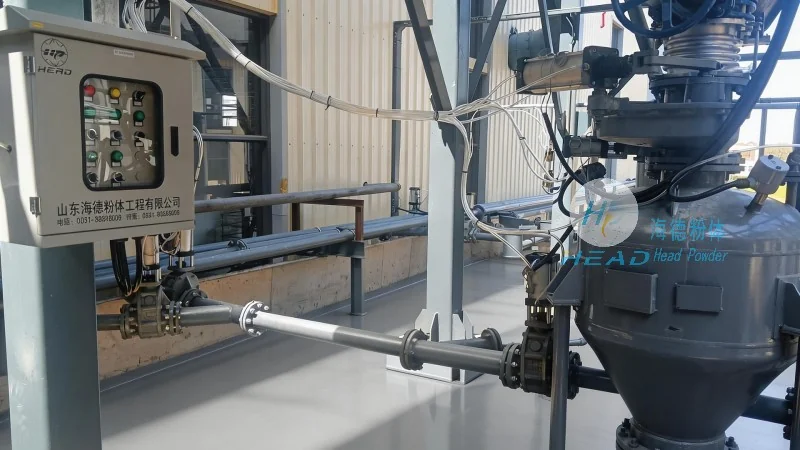
Working Principle of Long-Distance Powder Pneumatic Conveying
The core mechanism of long-distance powder pneumatic conveying involves the creation of a pressure differential between the material source and the destination. Typically, a blower or compressor generates a high-pressure air stream that draws the powder particles into the conveying line. The powder is then suspended in the air stream and transported through the pipeline to the discharge point. The system can operate under either positive pressure (pressure conveying) or negative pressure (suction conveying), depending on the specific requirements and layout of the system. The efficiency of the conveying process is influenced by factors such as the air velocity, particle size, and the density of the material. Proper design of the conveying line, including the selection of appropriate pipe diameters and the use of bends, elbows, and other components, is essential to minimize pressure losses and ensure smooth material flow.
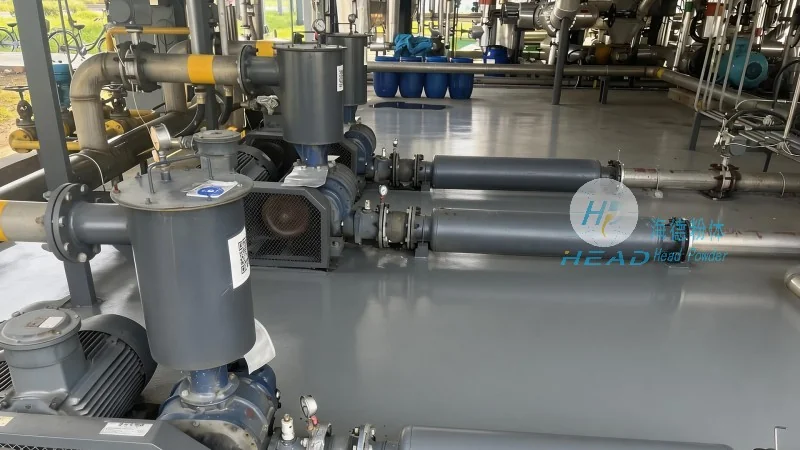
Key Characteristics of Long-Distance Powder Pneumatic Conveying Systems
Long-distance powder pneumatic conveying systems exhibit several distinct characteristics that make them suitable for a wide range of industrial applications. One of the primary advantages is the ability to transport powders over extended distances without the need for mechanical components like buckets or belts, which reduces maintenance requirements and operational costs. The system is also highly flexible, allowing for changes in the conveying route or the addition of new material points without major modifications. Additionally, pneumatic conveying can handle a variety of powder types, including abrasive, corrosive, or sensitive materials, by using appropriate materials of construction for the conveying components. The technology is also relatively compact and can be integrated into existing facilities, making it a viable option for both new and retrofit applications. Another notable characteristic is the ability to control the flow rate and pressure, which is critical for maintaining consistent material delivery and preventing overloading or underloading of downstream equipment.
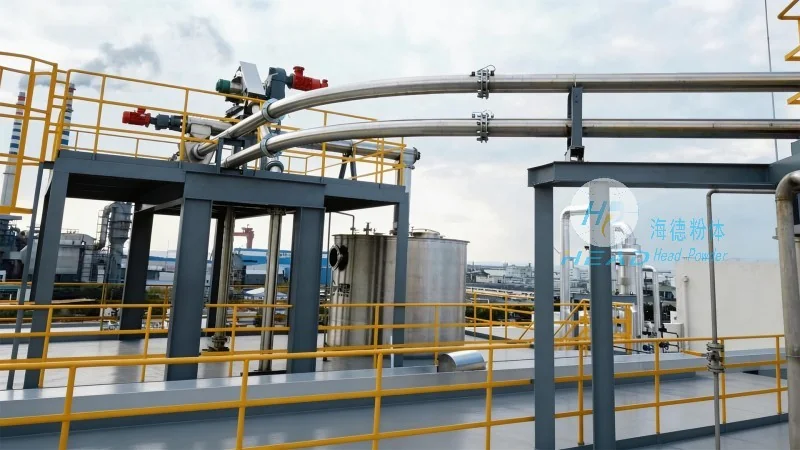
Applications and Industries Utilizing Long-Distance Powder Pneumatic Conveying
Long-distance powder pneumatic conveying is widely used across various industries due to its versatility and efficiency. In the chemical industry, it is employed for transporting raw materials, intermediates, and finished products such as powders, granules, and pellets. The food and pharmaceutical sectors also benefit from this technology, as it provides a hygienic and contamination-free method for handling sensitive powders. The mining and mineral processing industry uses pneumatic conveying to transport ore, minerals, and other bulk materials from processing plants to storage or shipping facilities. Additionally, in the agricultural sector, it is used for handling grain, flour, and other agricultural products. The system's ability to handle abrasive materials makes it suitable for applications in the cement and construction industries, where the transport of raw materials like limestone and clinker is essential.
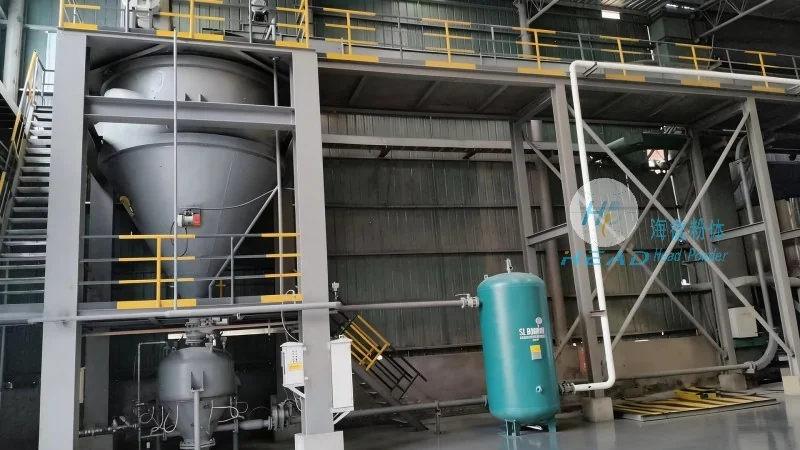
Advantages and Considerations for Implementing Long-Distance Powder Pneumatic Conveying
Implementing long-distance powder pneumatic conveying offers several advantages, including reduced labor costs, increased safety (as there are no moving parts in the conveying line), and the ability to transport materials in a closed system, which minimizes dust emissions and environmental impact. However, there are also considerations to keep in mind. The initial investment for the system can be higher compared to traditional mechanical conveying methods, and the energy consumption is typically higher due to the need to maintain air pressure. Additionally, the system's performance is highly dependent on the proper design and maintenance of the conveying line and components. Proper filtration and cleaning of the air system are also essential to prevent clogging and ensure consistent operation. The selection of the appropriate conveying method (pressure or suction) and the design of the system layout are critical factors that impact the overall efficiency and effectiveness of the long-distance powder pneumatic conveying system.