

Principle and Working Scene Characteristics of Dry Ash Pneumatic Conveying Equipment
HeadPowder, a leading engineering company based in Shandong, China, specializes in the design and implementation of advanced dry ash pneumatic conveying systems. These systems are critical for efficiently transporting dry ash materials in various industrial applications, ensuring optimal performance and reliability in handling bulk materials. The following content explores the fundamental principles behind these systems and the specific working scenarios where they are most effectively utilized.
Principle of Pneumatic Conveying for Dry Ash
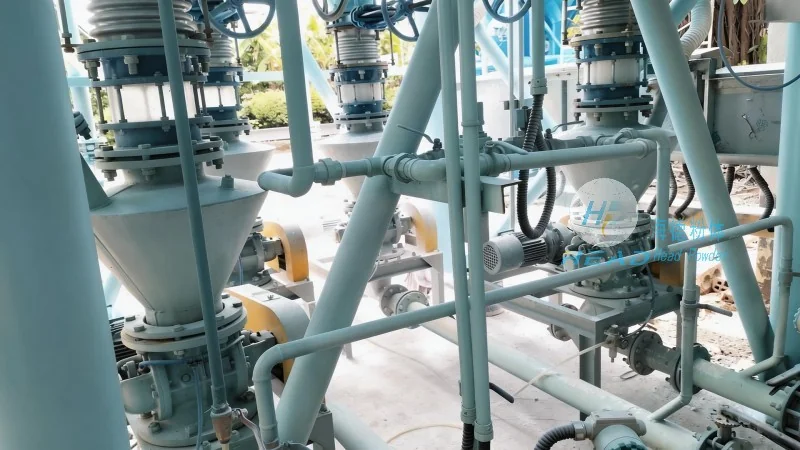
The core principle of dry ash pneumatic conveying equipment involves the use of air or gas as the medium to transport dry ash particles through a pipeline. This method, known as pneumatic conveying, operates by creating a pressure differential within the system. The equipment typically includes a hopper for material storage, a conveyor line, and a control system to regulate the flow of air and ash. As air is introduced into the system, it creates a flow that lifts and propels the dry ash particles through the pipeline. The design of the conveying system, including the type of air pump (such as positive displacement blowers or rotary lobe pumps) and the configuration of the pipeline (e.g., straight or curved sections), directly impacts the efficiency and effectiveness of the conveying process. The key to successful pneumatic conveying lies in maintaining an appropriate air-to-material ratio, which ensures that the ash particles are adequately suspended and transported without clogging or degradation.
Working Scene Characteristics of Dry Ash Pneumatic Conveying
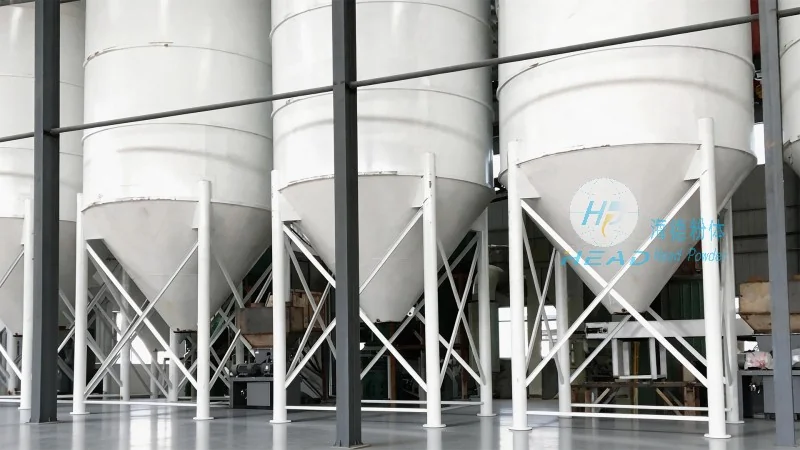
Dry ash pneumatic conveying equipment is widely employed in industrial settings where the efficient handling of dry ash is essential. The working scene characteristics of these systems are tailored to meet the specific demands of different applications, ensuring that the equipment operates optimally under various conditions. For instance, in power plants, these systems are used to transport fly ash from boilers to storage silos or for further processing. The working environment in such settings often involves high volumes of ash, requiring robust and high-capacity conveying systems. The equipment must be designed to handle the abrasive nature of ash particles, which can cause wear on the pipeline and components. In addition, the systems need to be capable of operating under varying temperatures and humidity levels, ensuring consistent performance throughout the year.
Application in Industrial Waste Management
Another significant working scene for dry ash pneumatic conveying is in industrial waste management facilities. These systems are used to transport ash generated from incineration processes, such as medical waste or municipal solid waste. The equipment must be designed to handle potentially hazardous materials, ensuring that the conveying process is safe and compliant with environmental regulations. The working scene in these facilities often involves the need for dust control and filtration, as the ash particles can be fine and potentially harmful if released into the environment. The dry ash pneumatic conveying systems are integrated with dust collection and filtration systems to ensure that the air discharged from the system is clean and meets regulatory standards. This integration enhances the overall efficiency and safety of the waste management process.
Advantages and Considerations in Working Scenarios
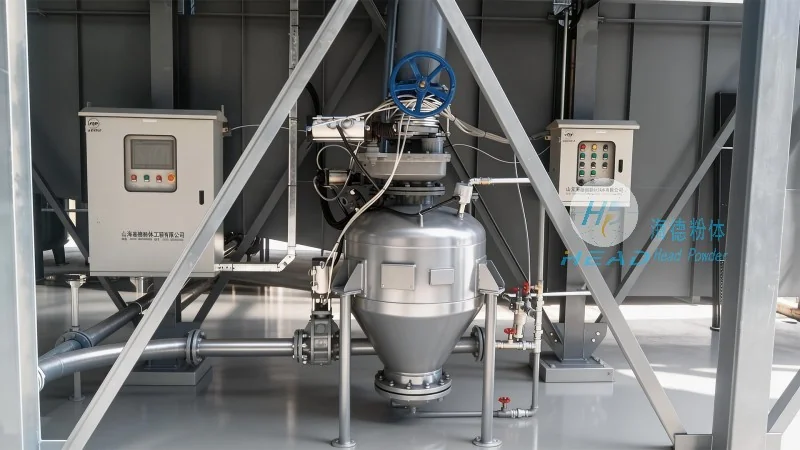
When considering the implementation of dry ash pneumatic conveying equipment, several advantages and considerations come into play. The primary advantage is the ability to transport dry ash over long distances without the need for intermediate storage or handling. This reduces the risk of material degradation and ensures that the ash is delivered to its destination in a consistent and controlled manner. Additionally, the systems are relatively compact and can be installed in confined spaces, making them suitable for applications where space is limited. However, there are also considerations related to the maintenance and operational costs. The components, such as the air pumps and pipeline, require regular maintenance to prevent wear and tear, which can impact the overall efficiency of the system. The energy consumption of the system is another factor to consider, as the air pumps and other components consume significant power. Despite these considerations, the benefits of using dry ash pneumatic conveying systems often outweigh the costs, especially in applications where traditional conveying methods are less effective.