Multi-hopper pneumatic conveying equipment represents a sophisticated solution for the efficient transport of bulk materials across various industrial applications. This technology has gained prominence due to its ability to handle diverse materials, including powders, granules, and other particulate substances, with minimal operational constraints. The system operates by leveraging compressed air as the primary conveying medium, enabling the movement of materials from a source to a destination through a network of pipelines and hoppers. The multi-hopper design further enhances the system's flexibility, allowing for the handling of multiple materials or different stages of the same material processing simultaneously.
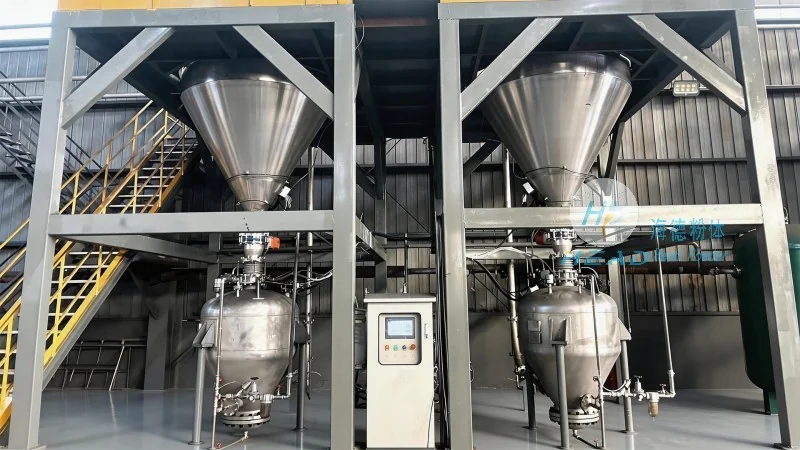
Core Principle of Multi-Hopper Pneumatic Conveying
The fundamental principle of multi-hopper pneumatic conveying revolves around the creation of a pressure differential that facilitates material transport. The system typically comprises several hoppers, each equipped with a valve or feeder mechanism to control material discharge. As compressed air is introduced into the hopper, it generates a low-pressure environment that draws the material into the conveying line. The material is then entrained by the moving air stream, which can be either positive (pressure) or negative (vacuum) pressure, depending on the specific material characteristics and application requirements. This method ensures that the material is transported without direct contact with the conveying equipment, thereby minimizing contamination, product degradation, and equipment wear. The multi-hopper configuration allows for sequential or parallel material handling, enhancing operational efficiency and adaptability to varying production demands.
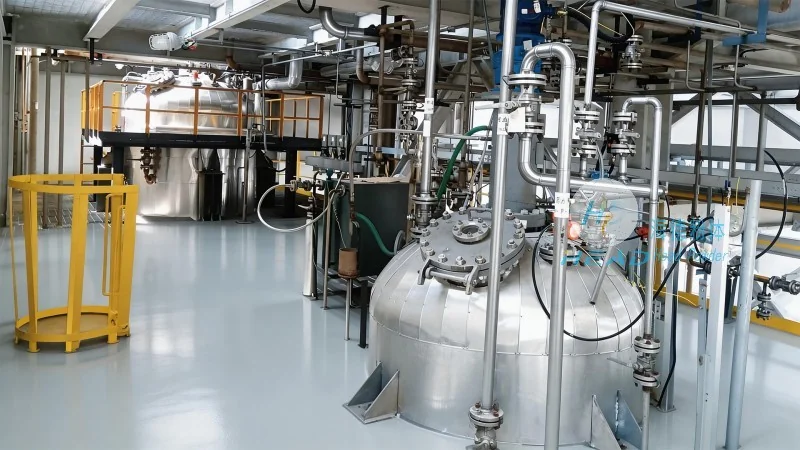
Key Working Scene Characteristics
Multi-hopper pneumatic conveying equipment is particularly well-suited for industries such as chemical processing, pharmaceutical manufacturing, food processing, and mining. The working scene characteristics of this equipment include high material throughput rates, precise control over material flow, and the ability to handle a wide range of material densities and flow properties. In industrial settings, these systems are often integrated into larger production lines, serving as a critical link between storage, processing, and packaging stages. The flexibility of the multi-hopper system enables it to adapt to both continuous and batch processing operations, making it ideal for applications requiring variable material volumes or compositions. Additionally, the system's ability to operate in both positive and negative pressure modes provides versatility in handling different material types, from fine powders to coarse granules, without compromising on efficiency or material integrity.
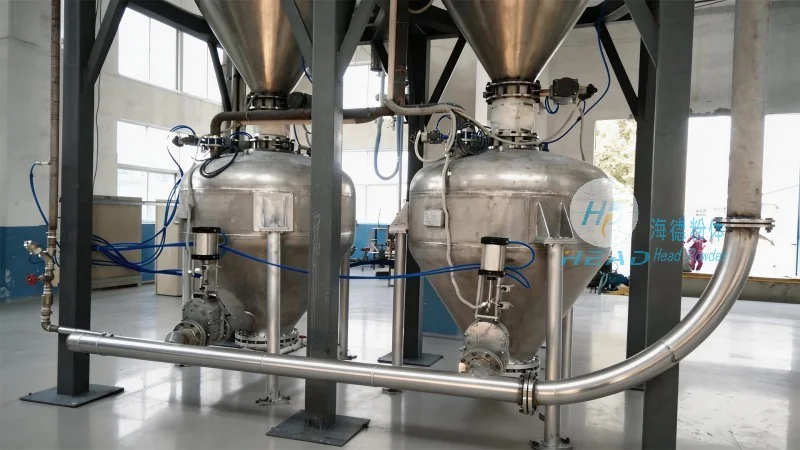
Company Overview: Shandong HeadPowder Engineering Co., Ltd.
Shandong HeadPowder Engineering Co., Ltd., commonly referred to as headpowder, is a leading manufacturer specializing in the design, development, and supply of advanced pneumatic conveying solutions. With a strong commitment to innovation and customer-centric service, the company has established itself as a trusted partner in the industrial material handling sector. Headpowder's expertise lies in creating customized multi-hopper pneumatic conveying systems tailored to meet the unique requirements of each client. The company's facilities are located in Shandong, China, where it leverages local resources and advanced manufacturing capabilities to deliver high-quality products and reliable after-sales support. By combining technical expertise with practical application knowledge, headpowder ensures that its equipment not only meets but exceeds industry standards, providing long-term value and operational efficiency to its clients.
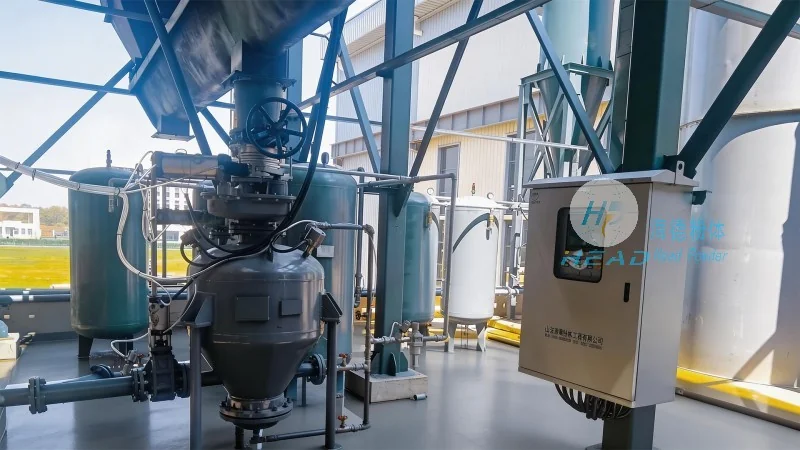
Application Scenarios and Operational Benefits
The working scene characteristics of multi-hopper pneumatic conveying equipment are evident in its diverse application scenarios. For instance, in the chemical industry, these systems are used to transport reactive powders and granules safely and efficiently, minimizing the risk of dust explosions and material contamination. In the pharmaceutical sector, the equipment's ability to maintain sterile conditions and prevent cross-contamination is crucial, making it suitable for handling active pharmaceutical ingredients (APIs) and other sensitive materials. Similarly, in food processing plants, the system's hygienic design and ability to handle food-grade materials ensure compliance with regulatory standards. The operational benefits of using multi-hopper pneumatic conveying include reduced labor costs, lower energy consumption compared to traditional methods like belt conveyors, and increased production throughput. Moreover, the system's compact design and ability to integrate seamlessly into existing facilities make it a practical solution for both new and retrofit applications. The reliability of the equipment, coupled with its low maintenance requirements, further enhances its appeal to industrial users seeking sustainable and efficient material handling solutions.




