Denitrification fly ash powder conveyors are specialized equipment used in industrial settings, particularly in power plants and other facilities that handle fly ash generated from the combustion of fossil fuels. These conveyors are designed to efficiently transport the fine, dry powder of fly ash, which is a byproduct of the selective catalytic reduction (SCR) process used for nitrogen oxide (NOx) reduction. Understanding the design principles behind these conveyors is crucial for optimizing their performance and ensuring reliable operation in demanding environments.
What Are Denitrification Fly Ash Powder Conveyors?
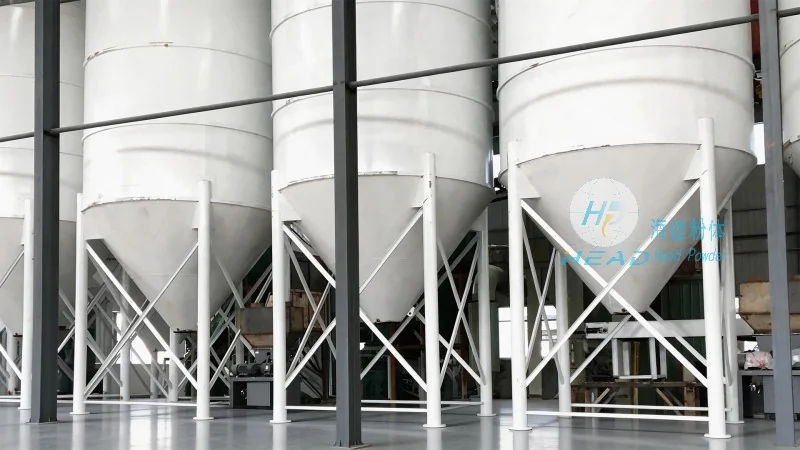
Denitrification fly ash powder conveyors, also known as denitrification ash transport systems, are engineered to handle the unique properties of fly ash, which is a fine, abrasive, and potentially hazardous material. The primary function of these conveyors is to transport the ash from the denitrification system to storage or disposal locations. They are typically used in conjunction with SCR systems, where the fly ash is produced as a result of the chemical reactions that reduce NOx emissions. The conveyors must be capable of handling high volumes of material while maintaining low dust emissions and ensuring the safety of personnel and equipment.
Key Design Principles of Denitrification Fly Ash Powder Conveyors
The design of denitrification fly ash powder conveyors is based on several critical principles to ensure efficiency, reliability, and safety. First, the equipment must be constructed from materials that can withstand the abrasive nature of fly ash and resist corrosion from any residual chemicals. Common materials include stainless steel, high-grade alloys, and specialized coatings that protect against wear and chemical attack. This is essential because fly ash particles are often small and hard, which can cause significant wear on traditional conveyor components.
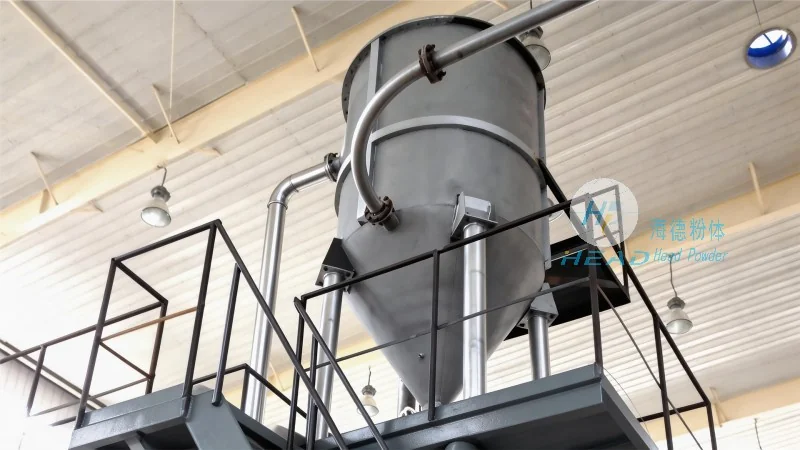
Second, the conveyor system is designed to minimize dust generation and control air quality. This is achieved through features such as sealed housing, dust collection systems, and positive pressure or negative pressure ventilation. The goal is to prevent the release of fine ash particles into the environment, which can be harmful to both human health and the surrounding ecosystem. Additionally, the design incorporates proper sealing and lubrication to reduce friction and wear, extending the lifespan of the equipment.
Third, the conveyor is engineered for high efficiency in material transport. This involves optimizing the speed and capacity of the conveyor to match the production rate of the denitrification system. The design may include variable speed drives, which allow operators to adjust the conveyor speed based on the volume of ash being processed. This flexibility ensures that the system can handle fluctuations in production without compromising performance or causing bottlenecks.
Components and Working Principle
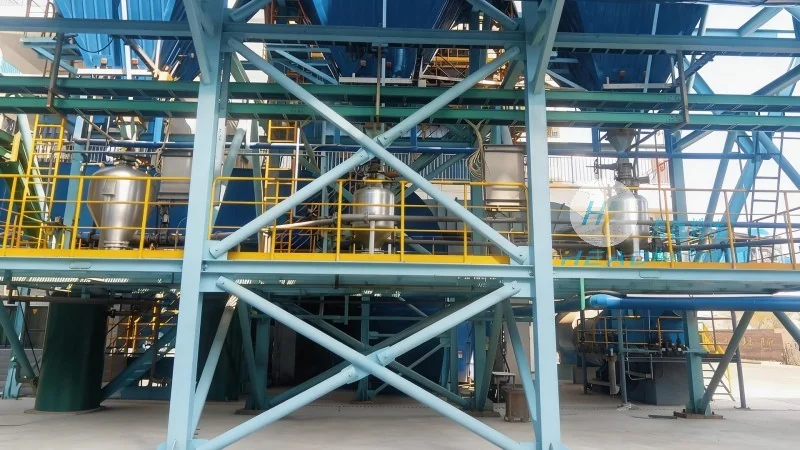
Denitrification fly ash powder conveyors typically consist of several key components, including a hopper for material storage, a conveyor belt or screw mechanism for transport, a drive system, and a control panel. The working principle involves the ash being discharged from the denitrification reactor into the hopper, where it is then fed into the conveyor. The conveyor then transports the ash to the desired location, such as a storage silo or a disposal site. The system may also include a dust collection system that captures any particles that escape from the conveyor, ensuring that the air is clean and safe for the surrounding environment.
Applications and Benefits
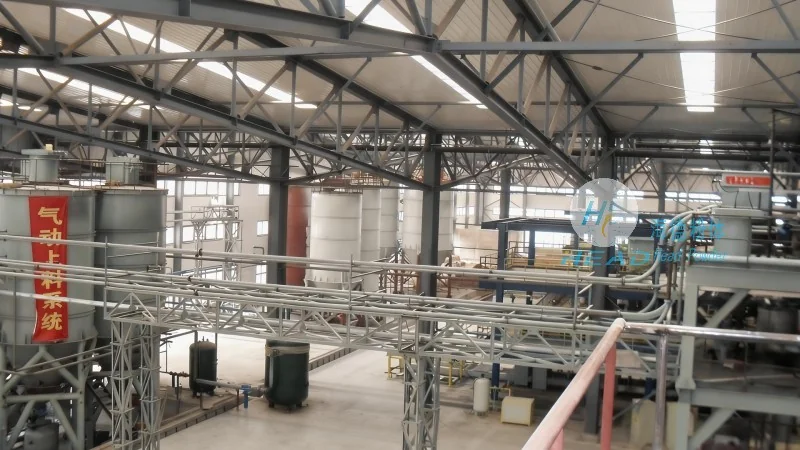
Denitrification fly ash powder conveyors are widely used in power plants, particularly those that use coal or other fossil fuels as their primary energy source. The primary benefit of these conveyors is their ability to efficiently transport fly ash, which is a byproduct of the SCR process used to reduce NOx emissions. By effectively handling this material, the conveyors help to maintain the efficiency of the denitrification system and ensure that the plant meets environmental regulations. Additionally, the design of these conveyors minimizes the risk of dust exposure and other health hazards, making them safer for workers to operate and maintain.
Conclusion
Denitrification fly ash powder conveyors are essential equipment for facilities that use denitrification systems to reduce NOx emissions. The design principles behind these conveyors focus on durability, efficiency, and safety, ensuring that they can handle the unique challenges of transporting fly ash. By understanding the components and working principles of these conveyors, facility managers can make informed decisions about their selection and operation, ultimately improving the performance and sustainability of their operations. As a leading manufacturer in this field, Shandong HeadPowder Engineering Co., Ltd. specializes in providing high-quality denitrification fly ash powder conveyors that meet the needs of industrial clients worldwide, with a commitment to excellence and customer satisfaction.




