For industries dealing with cellulose materials, efficient material handling is crucial. Pneumatic conveying systems offer a reliable and effective solution for transporting bulk materials like wood chips, paper pulp, and other fibrous substances. These systems utilize air pressure to move materials from one location to another, eliminating the need for mechanical components that can cause wear and tear or contamination. As a leading manufacturer in this field, Shandong HeadPowder Engineering Co., Ltd. specializes in designing and producing high-quality pneumatic conveying equipment tailored to the specific needs of cellulose material processing.
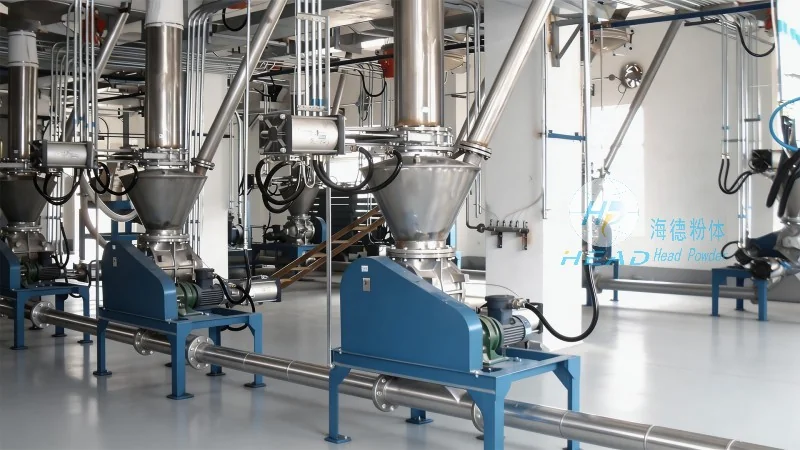
Key Components of the Pneumatic Conveying System
The operation of a pneumatic conveying system for cellulose materials involves several key components that work in harmony to ensure smooth material transport. The primary components include a hopper for material storage, a feeder to control the flow rate, a conveying line (usually a pipe), a blower or compressor to generate the air pressure, and a receiver or discharge point where the material is deposited. Each component plays a vital role in maintaining the system's efficiency and preventing material degradation or blockages.
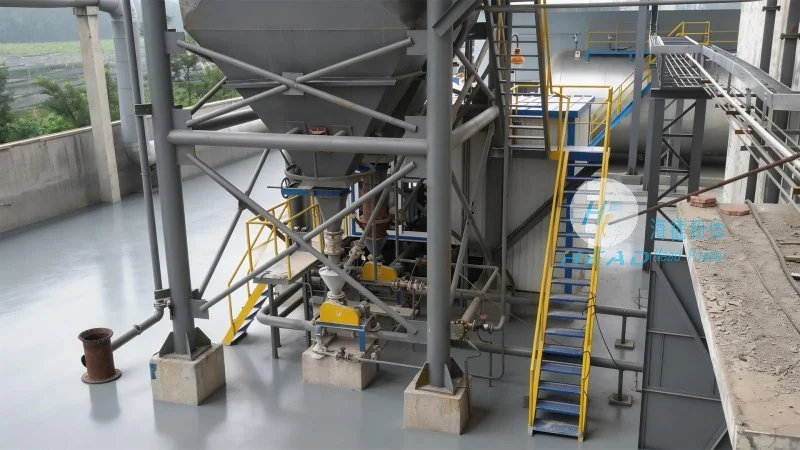
Working Principle of the Pneumatic Conveying Process
The working principle of a pneumatic conveying system for cellulose materials is based on the use of air as the conveying medium. The process begins when the material is fed into the hopper. The feeder then regulates the amount of material entering the conveying line. Simultaneously, the blower or compressor creates a high-pressure air flow within the pipe. As the air flows through the pipe, it entrains the cellulose material, forming a slurry-like mixture that is propelled forward by the air pressure. The material is then discharged at the receiving end, where the air is separated from the material, often through a cyclone or filter system. This separation allows the material to be collected while the air is either recirculated or vented to the atmosphere.
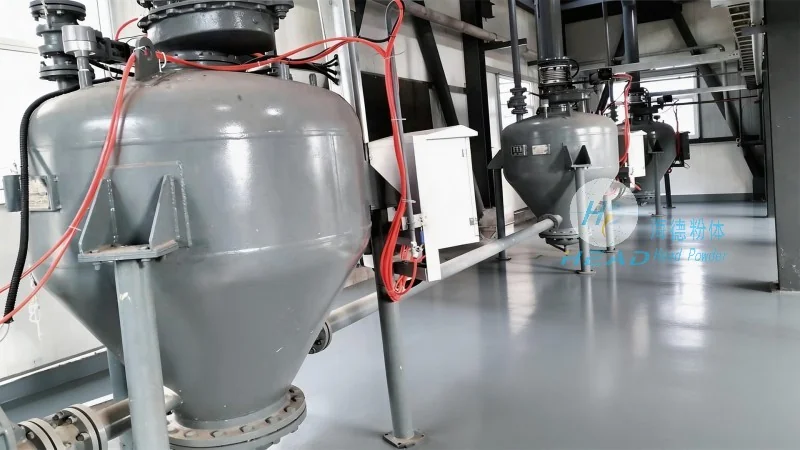
Operation Process: Step-by-Step Guide
The operation process of a pneumatic conveying system for cellulose materials can be broken down into several sequential steps. First, the material is loaded into the hopper, ensuring an adequate supply for continuous operation. Next, the feeder is activated to control the flow rate, preventing overloading or underloading of the system. The blower is then started, generating the necessary air pressure to initiate material transport. As the material is fed into the conveying line, it is entrained by the air and moves towards the discharge point. At the receiving end, the material is collected, and the air is separated and managed according to the system's design. This step-by-step process ensures consistent and reliable material handling, minimizing downtime and maximizing productivity.
Advantages of Using Pneumatic Conveying for Cellulose Materials
Implementing a pneumatic conveying system for cellulose materials offers numerous advantages over traditional mechanical conveying methods. One of the most significant benefits is the prevention of material contamination, as the system operates in a closed environment, reducing exposure to dust, moisture, or other external factors. Additionally, pneumatic conveying systems are highly flexible, allowing for changes in material flow rates or destination without major modifications. The system also reduces labor costs by automating the material handling process and minimizing the need for manual intervention. Furthermore, the lack of moving parts in the conveying line reduces maintenance requirements and extends the equipment's lifespan. These advantages make pneumatic conveying an ideal choice for industries dealing with sensitive or high-value cellulose materials.
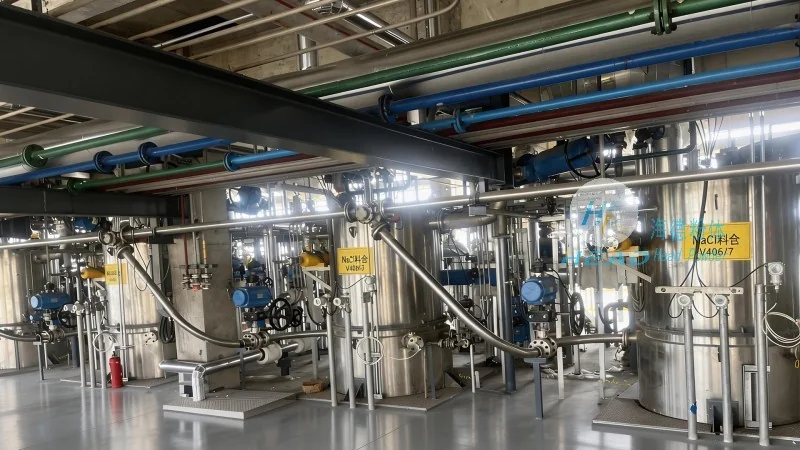
Customization and Application in Different Industries
Shandong HeadPowder Engineering Co., Ltd. understands that each cellulose material processing facility has unique requirements. Therefore, the company offers customized pneumatic conveying solutions tailored to specific applications. For example, in the paper and pulp industry, the system may be designed to handle wet or dry pulp, with adjustments made to the air pressure and material feed rate. In the wood processing industry, the equipment can be configured to transport wood chips or sawdust efficiently. The company's expertise in material handling ensures that the designed system meets the client's operational needs, whether it's for small-scale or large-scale production. By collaborating with clients to understand their specific challenges and requirements, HeadPowder provides solutions that enhance productivity and reduce operational costs.




