HeadPowder, a leading manufacturer based in Shandong, China, specializes in the design, development, and production of advanced dust and powder pneumatic conveying systems. These systems are engineered to efficiently transport bulk materials like powders, granules, and fine particles over long distances with minimal loss and contamination. This article provides a detailed overview of the operation process and working principles of such machines, highlighting their key components, operational mechanisms, and practical applications.
Key Components of Dust Powder Pneumatic Conveying Systems
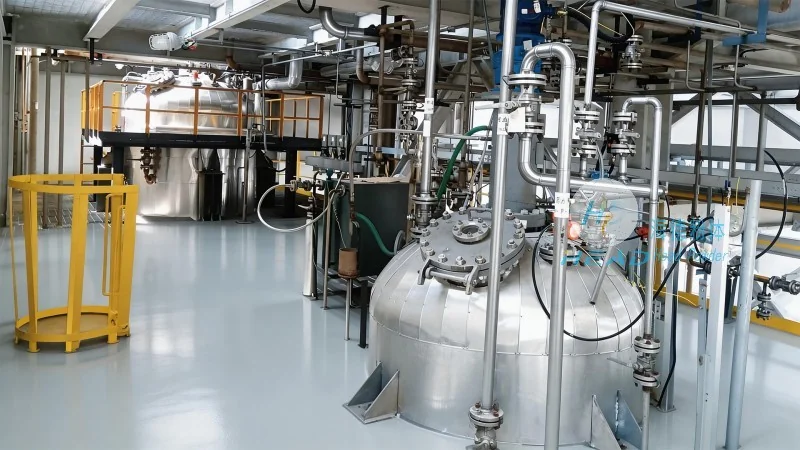
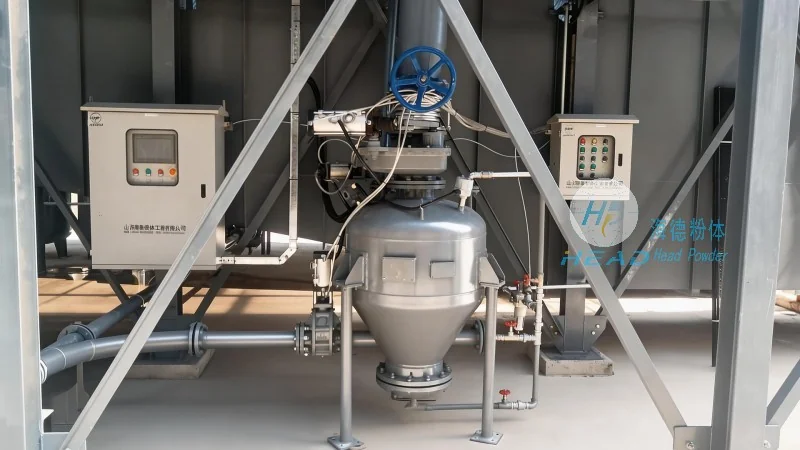
The core of a pneumatic conveying system consists of several critical components that work in harmony to ensure reliable material transport. These include the material hopper or feed bin, which stores the bulk material; a feeder or metering device that controls the flow rate of the material; a conveying line (usually a pipeline) that transports the material; a compressor or air source that provides the necessary pressure or vacuum; and a control system that regulates the entire operation. Each component plays a vital role in maintaining the efficiency and safety of the system.
Working Principle of Pneumatic Conveying
The fundamental principle behind pneumatic conveying is the use of air or gas to move material particles through a pipeline. There are two main types of pneumatic conveying systems: pressure systems and vacuum systems. In pressure systems, compressed air is introduced at the material inlet, creating a high-pressure environment that propels the material forward. The material is typically suspended in the air stream and transported as a slurry or dense phase flow. Vacuum systems, on the other hand, use a vacuum pump to create a low-pressure environment at the discharge end, drawing the material from the source and pulling it through the pipeline.
Operation Process of Dust Powder Pneumatic Conveying Machines
The operation process of a dust powder pneumatic conveying machine involves several sequential steps. First, the bulk material is loaded into the material hopper or feed bin. The feeder then meters the material at a controlled rate, ensuring a consistent flow into the conveying line. Simultaneously, the compressor or air source generates the required air pressure or vacuum. The material is then introduced into the pipeline, where it is mixed with the air stream and transported to the discharge point. At the discharge end, the material is separated from the air, often through a cyclone separator or filter, and collected in a receiving bin. The control system continuously monitors parameters such as pressure, flow rate, and material level, adjusting the operation as needed to maintain optimal performance.
Advantages and Applications of Pneumatic Conveying Systems
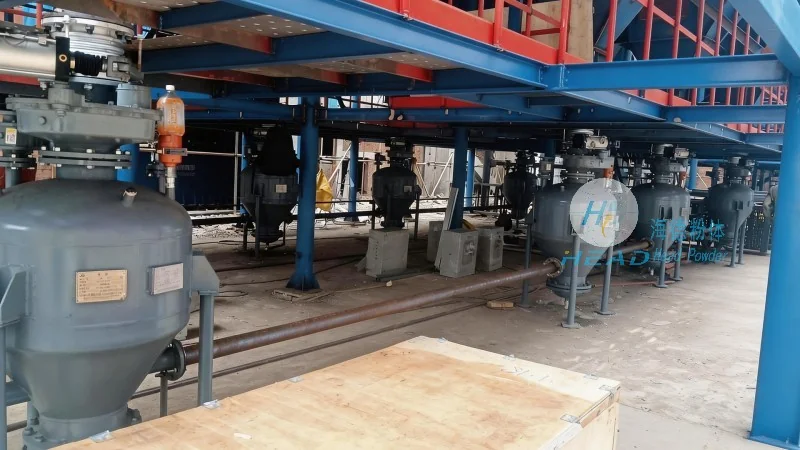
Dust and powder pneumatic conveying machines offer numerous advantages over traditional mechanical conveying methods. These include the ability to transport materials over long distances without the need for multiple transfer points, reduced material degradation due to minimal contact with equipment, and improved safety by eliminating the need for manual handling of bulk materials. The systems are widely used in various industries, including food processing, pharmaceuticals, chemicals, and mining, for applications such as transporting flour, sugar, cement, and other fine powders. The flexibility of pneumatic conveying allows for easy integration into existing production lines and adaptation to different material characteristics.
Maintenance and Safety Considerations
To ensure the long-term reliability and efficiency of pneumatic conveying systems, regular maintenance is essential. This includes checking the compressor or air source for proper operation, inspecting the conveying line for blockages or leaks, and cleaning the cyclone separators or filters to prevent clogging. Safety considerations are also critical, as pneumatic conveying systems can generate high pressures or contain abrasive materials. Proper training for operators, use of protective equipment, and adherence to safety protocols are necessary to minimize risks and ensure safe operation.




