

Operation Process and Working Principle of Sand and Gravel Powder Pneumatic Conveying Machine
For industries dealing with bulk materials like sand, gravel, and other fine powders, efficient and reliable material handling is crucial. The sand and gravel powder pneumatic conveying machine, developed by Shandong HeadPowder Engineering Co., Ltd., offers a sophisticated solution to transport these materials with precision and minimal loss. This article explores the operation process and working principle of such a system, highlighting its key components and the technology behind its functionality.
Key Components of the Pneumatic Conveying System
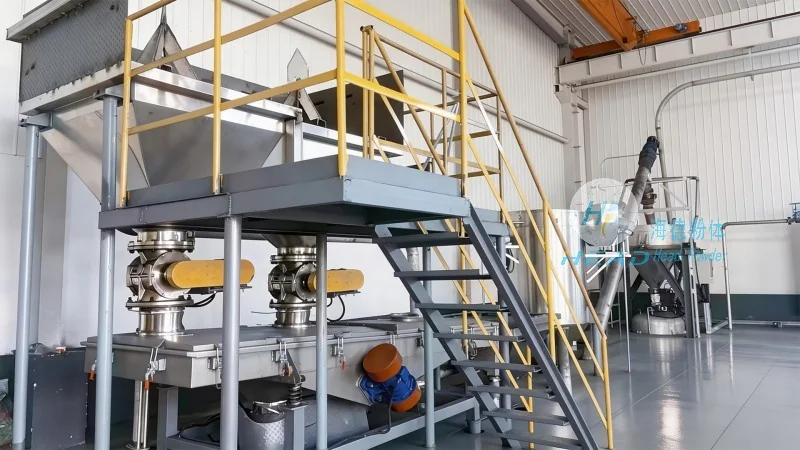
The pneumatic conveying machine for sand and gravel powders typically consists of several critical components that work in tandem to ensure smooth material transport. The main parts include the hopper for material storage, a rotary valve or feeder to control the flow rate, a conveying pipeline system, a pressure vessel or receiver for material collection, and a dust collector to manage airborne particles. Each component plays a vital role in maintaining the efficiency and safety of the operation.
Working Principle of the Pneumatic Conveying Process
The operation of the sand and gravel powder pneumatic conveying machine relies on the principle of air flow to move the material. The process begins with the material being fed into the hopper from a storage silo or hopper. A rotary valve or feeder then regulates the amount of material released into the conveying pipeline. Simultaneously, a fan or blower generates a high-pressure air stream within the pipeline. As the material is introduced into the air stream, it is entrained and carried through the pipeline to the receiving end. The pressure vessel or receiver at the destination end collects the conveyed material, while the air is filtered and returned to the system or released safely. This continuous cycle ensures that the material is transported without the need for mechanical contact, reducing wear and tear on the equipment.
Operation Process: Step-by-Step Overview
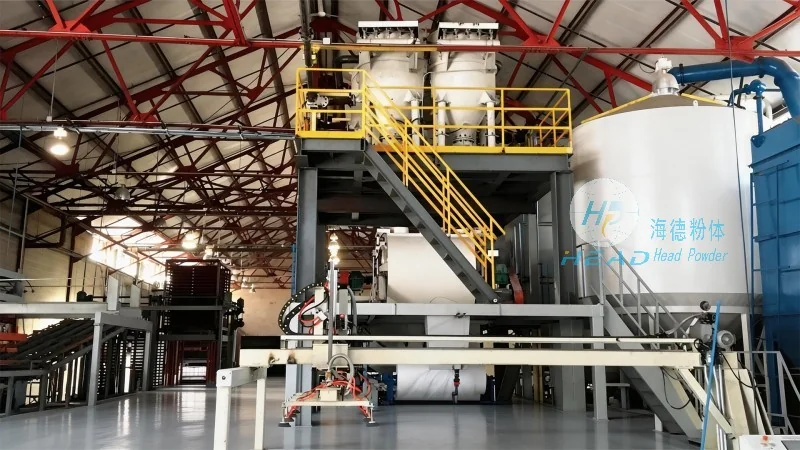
The operation process of the sand and gravel powder pneumatic conveying system involves several sequential steps that ensure consistent and efficient material handling. First, the material is loaded into the storage hopper, where it is stored under controlled conditions to prevent caking or moisture issues. Next, the rotary valve or feeder is activated to control the flow rate of the material into the conveying pipeline. The fan or blower then starts, creating the necessary air pressure to initiate the conveying process. As the material is fed into the pipeline, it is mixed with the air and transported to the receiving end. At the receiving point, the material is discharged into a collection bin or silo, while the air is filtered and recycled back into the system. This cycle repeats continuously, allowing for uninterrupted material transport over long distances and varying heights.
Advantages of Using Pneumatic Conveying for Sand and Gravel Materials
Compared to traditional mechanical conveying methods, the pneumatic conveying system for sand and gravel powders offers several advantages. One of the primary benefits is the ability to transport materials over long distances without the need for multiple transfer points or intermediate storage. The system also minimizes material degradation and loss, as the material is not subjected to mechanical friction or impact. Additionally, the enclosed pipeline system reduces dust emissions and improves workplace safety, making it suitable for environments where dust control is a priority. The flexibility of the system allows for easy integration with existing production lines and can be adjusted to handle varying material types and flow rates.
Applications and Industries Benefiting from This Technology
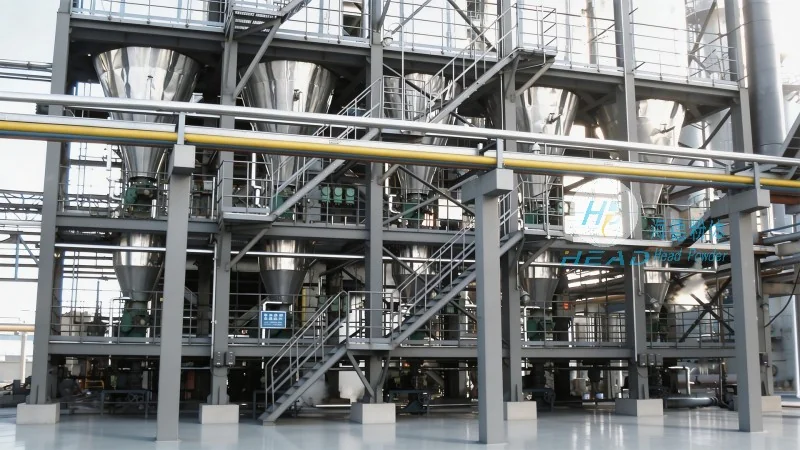
The sand and gravel powder pneumatic conveying machine is widely used in various industries that require the handling of bulk materials. In the construction industry, it is used to transport sand, gravel, and other aggregates from storage to mixing plants or construction sites. The mining sector utilizes this technology to transport ore and fine powders from processing facilities to storage or shipping locations. The chemical and pharmaceutical industries also benefit from the system, as it can handle sensitive materials without contamination. Additionally, the food and agricultural sectors use pneumatic conveying for transporting grains, powders, and other bulk products, ensuring hygiene and minimal product loss.
Company Profile: Shandong HeadPowder Engineering Co., Ltd.
Shandong HeadPowder Engineering Co., Ltd., commonly known as headpowder, is a leading manufacturer of advanced material handling equipment, including pneumatic conveying systems. With a focus on innovation and quality, the company has developed a range of solutions tailored to the needs of various industries. HeadPowder's expertise lies in designing and manufacturing equipment that meets international standards while providing cost-effective and reliable solutions. The company's facilities are located in Shandong, China, where it conducts research, development, and production to deliver high-quality products to global markets. By leveraging advanced technology and a commitment to customer satisfaction, HeadPowder has established itself as a trusted partner for material handling solutions.