

Operation Process and Working Principle of Automatic Quantitative Material Pneumatic Conveying
Automatic quantitative material pneumatic conveying systems are advanced industrial solutions designed to efficiently transport bulk materials through a network of pipes using air as the conveying medium. These systems are widely used in various industries, including pharmaceuticals, food processing, and chemical manufacturing, where precise material handling and contamination control are critical. The technology behind these systems combines automation, precise control mechanisms, and robust engineering to ensure reliable and efficient material transport. This article delves into the operation process and working principles of such systems, highlighting the key components, operational steps, and the role of companies like Shandong HeadPowder Engineering Co., Ltd. in providing these solutions.
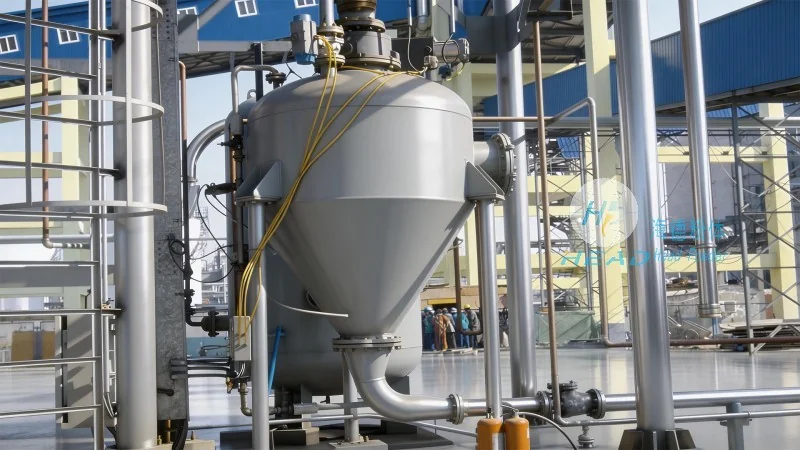
Overview of Automatic Quantitative Pneumatic Conveying Systems
Automatic quantitative material pneumatic conveying systems are sophisticated industrial equipment that facilitate the transport of bulk materials from a source to a destination using compressed air. The core of these systems lies in their ability to handle materials with high precision, ensuring accurate dosing and consistent flow rates. Unlike traditional mechanical conveyors, pneumatic systems offer advantages such as reduced risk of product contamination, lower maintenance requirements, and the capability to handle a wide range of materials, from fine powders to granules. The integration of automation in these systems further enhances operational efficiency, allowing for real-time monitoring and adjustment of conveying parameters.
Key Components of the Pneumatic Conveying System
The operation of an automatic quantitative material pneumatic conveying system relies on several critical components that work in tandem to achieve efficient material transport. These components include the material hopper, which serves as the storage and feeding unit; the air compressor, which generates the necessary pressure to move the material; the conveying line, typically made of stainless steel or other corrosion-resistant materials to prevent material degradation; the control valves and sensors, which regulate the flow of air and material; and the discharge hopper or destination container. Each component plays a vital role in ensuring the system operates smoothly and delivers accurate material quantities. For instance, the material hopper is equipped with a feeder that controls the rate at which material is released into the conveying line, while the air compressor maintains consistent pressure to propel the material through the pipes. The control valves and sensors provide real-time feedback on the system's performance, allowing for adjustments to maintain optimal conveying conditions.
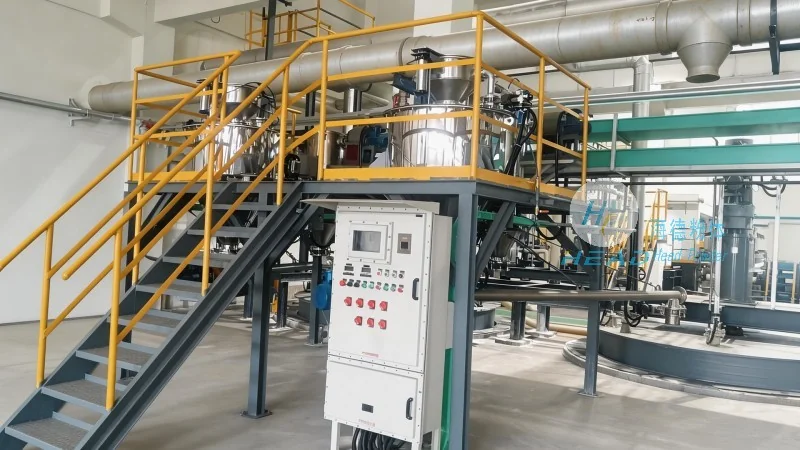
Operation Process of the System
The operation process of an automatic quantitative material pneumatic conveying system involves a series of steps that ensure precise and efficient material transport. The process begins with the loading of the material into the hopper. Once the hopper is filled, the feeder starts to release the material at a controlled rate. Simultaneously, the air compressor activates and generates compressed air, which is introduced into the conveying line. The compressed air creates a flow that propels the material particles through the pipes. As the material moves, it is mixed with the air, forming a dense phase or dilute phase stream depending on the system design. The control system monitors the flow rate and pressure, adjusting the air supply as needed to maintain a consistent conveying velocity. At the destination, the material is discharged into the receiving container, and the system continues to operate until the hopper is empty or the desired quantity has been transported. The entire process is automated, with sensors and control valves ensuring that the material is conveyed in precise quantities, minimizing waste and maximizing efficiency.
Working Principle of the Pneumatic Conveying System
The working principle of an automatic quantitative material pneumatic conveying system is based on the principles of fluid dynamics and particle transport. The system operates by creating a pressure differential between the hopper and the destination, using compressed air to move the material particles. In the dense phase conveying mode, the material is transported in a slurry-like state, where the particles are closely packed and move together with the air. This mode is suitable for materials that are prone to segregation or degradation, as it minimizes the risk of particle separation. In the dilute phase conveying mode, the material is transported as individual particles suspended in the air stream, which is more suitable for long-distance transport or when the material is less abrasive. The system's control system continuously monitors the pressure and flow rates, adjusting the air supply to maintain the desired conveying mode. The precision of the system is achieved through the integration of advanced sensors and control algorithms that ensure the material is conveyed in exact quantities, as required by the application.
Role of Shandong HeadPowder Engineering Co., Ltd. in Pneumatic Conveying Solutions
Shandong HeadPowder Engineering Co., Ltd., commonly known as HeadPowder, is a leading provider of automatic quantitative material pneumatic conveying systems. The company specializes in designing, manufacturing, and installing customized solutions tailored to the specific needs of various industries. With a strong focus on innovation and quality, HeadPowder leverages advanced engineering and automation technologies to deliver reliable and efficient pneumatic conveying systems. The company's expertise lies in understanding the unique challenges of different industries, such as the need for contamination-free handling in pharmaceuticals or the requirement for high precision in food processing. By combining state-of-the-art components with robust control systems, HeadPowder ensures that its pneumatic conveying systems meet the highest standards of performance and reliability. The company's commitment to customer satisfaction is reflected in its comprehensive after-sales support, including maintenance services and technical assistance, which helps clients optimize the performance of their systems and maximize their return on investment.
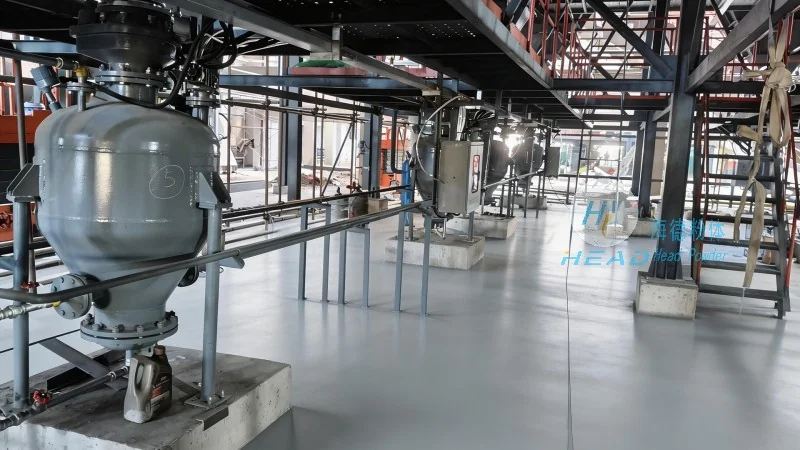
Benefits and Applications of Automatic Quantitative Pneumatic Conveying
Automatic quantitative material pneumatic conveying systems offer numerous benefits that make them ideal for a wide range of industrial applications. One of the primary advantages is the ability to handle materials with high precision, ensuring accurate dosing and consistent flow rates. This is particularly important in industries where material quality and consistency are critical, such as pharmaceuticals and food processing. The systems also provide excellent contamination control, as the material is transported in a closed system, minimizing the risk of exposure to external contaminants. Additionally, pneumatic systems offer flexibility in terms of material handling, as they can transport a wide range of materials, from fine powders to granules, without the need for mechanical contact. The automation of these systems further enhances operational efficiency, reducing the need for manual intervention and minimizing labor costs. HeadPowder's systems are used in various applications, including the transport of raw materials in chemical plants, the handling of powders in pharmaceutical manufacturing, and the conveying of food products in food processing facilities. The company's solutions are designed to meet the specific requirements of each application, ensuring optimal performance and reliability.
Conclusion
Automatic quantitative material pneumatic conveying systems are essential industrial equipment that plays a crucial role in the efficient and precise handling of bulk materials. The operation process and working principles of these systems are based on advanced engineering and automation technologies, ensuring reliable and consistent material transport. Companies like Shandong HeadPowder Engineering Co., Ltd. play a vital role in providing these solutions, leveraging their expertise and innovation to meet the diverse needs of various industries. The benefits of pneumatic conveying systems, including precision, contamination control, and flexibility, make them an ideal choice for industries where material quality and efficiency are paramount. As technology continues to advance, the capabilities of automatic quantitative material pneumatic conveying systems are expected to improve further, offering even greater efficiency and reliability in material handling.