

Operation Process and Working Principle of Bottom-Hopper Material Pneumatic Conveying
Bottom-hopper material pneumatic conveying systems are essential in industrial settings for efficiently transporting bulk materials from storage hoppers to processing or packaging areas. This technology, often referred to as a form of pneumatic conveying, utilizes air pressure to move materials through a pipeline network. The operation and working principles of such systems are critical for optimizing material handling efficiency and reliability.
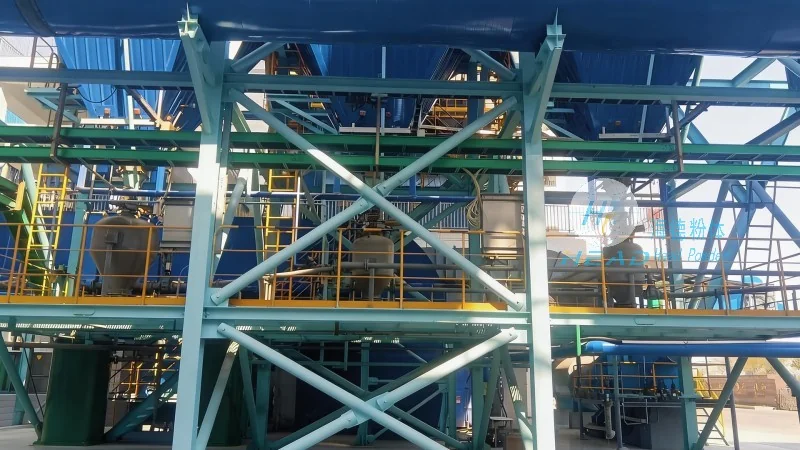
Overview of Bottom-Hopper Pneumatic Conveying Systems
At the core of bottom-hopper material pneumatic conveying is a hopper or silo that stores bulk materials. The system is designed to draw material from the bottom of the hopper and transport it through a pipeline to a destination point, such as a mixer, grinder, or packaging machine. The key components of this system typically include a hopper with a discharge valve, a vacuum or pressure source (blower or compressor), a pipeline network, and a receiving hopper or processing unit. The entire system is engineered to handle a wide range of materials, from powders and granules to fine particles, with minimal product degradation and maximum efficiency.
Key Components and Their Roles
The effectiveness of a bottom-hopper pneumatic conveying system relies on several critical components working in concert. The hopper itself is designed with a sloped bottom to facilitate material flow and often includes a discharge valve or gate to control the release of material. The air source, which can be a vacuum pump or a positive pressure blower, generates the necessary airflow to create a pressure differential that moves the material. The pipeline network connects the hopper to the receiving unit and is typically made of materials like stainless steel or plastic to prevent material buildup and corrosion. The receiving hopper or processing equipment is equipped with a filter or separator to remove any air from the material stream and ensure the material is delivered in a clean, dry state.
Operation Process: Step-by-Step
The operation of a bottom-hopper material pneumatic conveying system follows a systematic process to ensure consistent and efficient material transport. The process begins with the material being drawn from the bottom of the storage hopper. The discharge valve is opened, allowing material to fall into the conveying pipeline. Simultaneously, the air source is activated, creating a vacuum or pressure that pulls the material through the pipeline. As the material travels through the pipeline, it is mixed with the air stream, forming a dense phase or dilute phase flow, depending on the system design and material characteristics. The material then reaches the receiving hopper or processing unit, where the air is separated from the material, often through a cyclone or filter, and the material is deposited in the desired location. The system then returns to its idle state, ready for the next cycle.
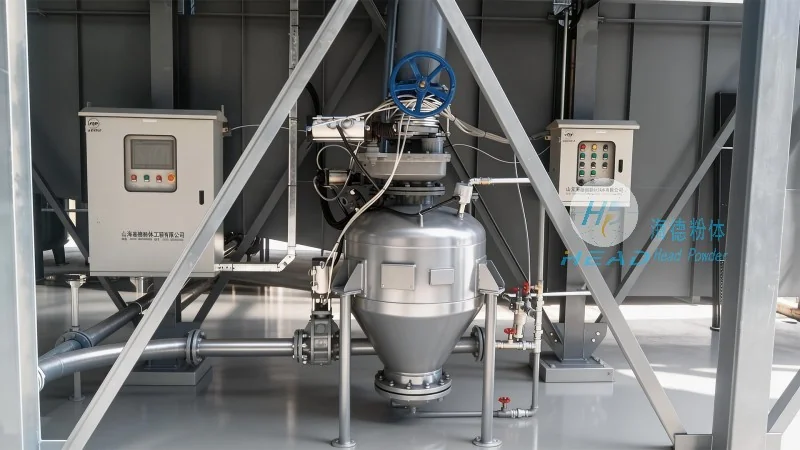
Working Principle: Air-Driven Material Transport
The working principle of bottom-hopper pneumatic conveying is based on the fundamental concept of air pressure and flow dynamics. When the air source is activated, it creates a pressure difference between the hopper and the receiving unit. In a vacuum system, the pressure inside the hopper is lower than the ambient pressure, causing the material to be drawn into the pipeline as the air pulls it along. In a positive pressure system, the air is forced into the hopper, pushing the material through the pipeline. The velocity of the air stream is carefully controlled to ensure that the material is conveyed without excessive wear on the equipment or degradation of the material. The system’s design, including the size of the pipeline, the air flow rate, and the material characteristics, all contribute to the optimal performance of the conveying process.
Advantages of Bottom-Hopper Pneumatic Conveying
Bottom-hopper material pneumatic conveying offers several advantages over traditional mechanical conveying systems. One of the primary benefits is the ability to transport materials over long distances with minimal maintenance. The system is also highly flexible, allowing for changes in the material flow rate or destination without major modifications. Additionally, the enclosed pipeline design prevents dust emissions and contamination, making it suitable for applications where product purity is critical. The system is also relatively compact, saving space in industrial facilities. These advantages make bottom-hopper pneumatic conveying an ideal solution for a wide range of industrial applications, from food processing to chemical manufacturing.
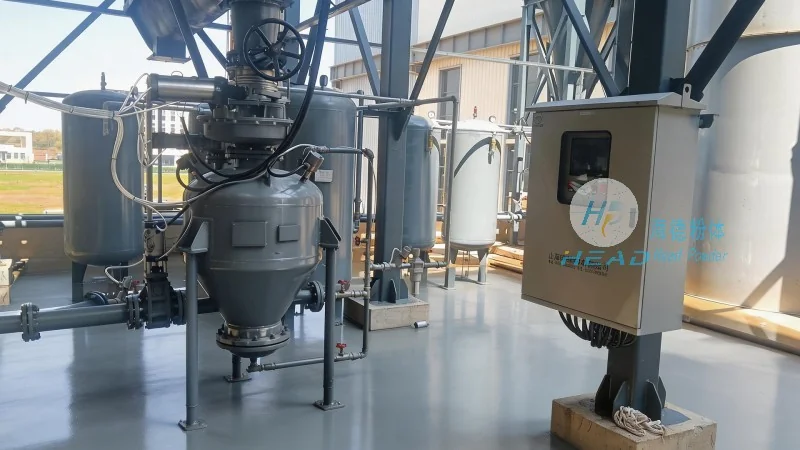
Applications and Industries
Bottom-hopper pneumatic conveying systems are widely used across various industries due to their versatility and efficiency. In the food industry, these systems are used to transport ingredients such as flour, sugar, and spices from storage to processing lines. In the chemical industry, they handle powders and granules like pigments, catalysts, and reagents. The pharmaceutical industry also relies on these systems for transporting raw materials and intermediates, ensuring a clean and controlled environment. Additionally, in the agricultural sector, bottom-hopper systems are used to convey grain and other bulk agricultural products. The adaptability of the system to different materials and industries makes it a preferred choice for material handling in modern industrial operations.
Maintenance and Operational Considerations
Proper maintenance is crucial for the reliable operation of bottom-hopper pneumatic conveying systems. Regular inspection of the hopper, pipeline, and air source is necessary to ensure there is no blockage or damage. The filter or separator in the receiving unit should be cleaned or replaced regularly to prevent clogging and maintain air flow efficiency. The discharge valve and other control components should be checked for proper operation to ensure consistent material flow. Additionally, monitoring the air pressure and flow rate can help identify any issues early, preventing system downtime. By following these maintenance practices, the system can operate efficiently and reliably, maximizing its lifespan and performance.
Conclusion
Bottom-hopper material pneumatic conveying is a sophisticated and efficient technology for handling bulk materials in industrial settings. The operation process, which involves drawing material from the hopper and transporting it through a pipeline using air pressure, is designed to optimize material flow and minimize downtime. The working principle, based on air dynamics and pressure differentials, ensures that materials are conveyed safely and effectively. With its advantages in flexibility, cleanliness, and space efficiency, this technology is widely adopted across various industries. Proper maintenance and operational considerations are essential to ensure the system’s long-term performance and reliability. As a leading provider in this field, Shandong HeadPowder Engineering Co., Ltd. specializes in designing and manufacturing high-quality bottom-hopper pneumatic conveying systems tailored to meet the specific needs of industrial clients.