

Operation Process and Working Principle of Bulk Bag Quantitative Feeding Material Pneumatic Conveyin
HeadPowder, a leading provider of material handling solutions, specializes in advanced pneumatic conveying systems designed for efficient bulk material transfer. This article explores the operation process and working principle of the bulk bag quantitative feeding material pneumatic conveying system, highlighting its key components, operational steps, and technical advantages.
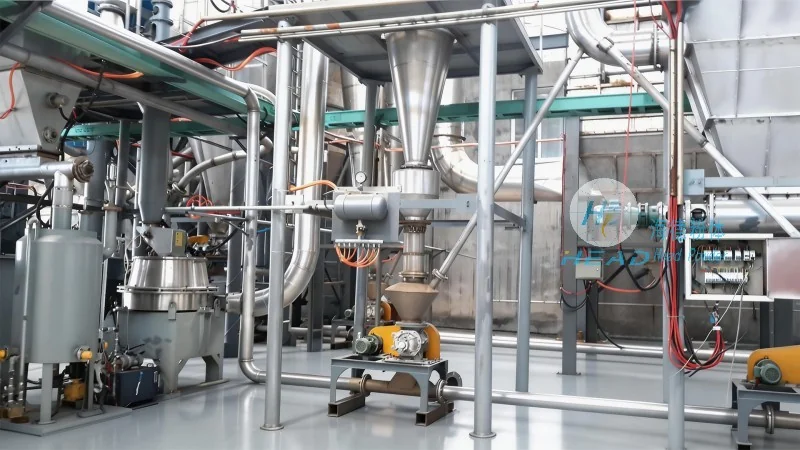
About HeadPowder Engineering Co., Ltd.
HeadPowder is a professional enterprise headquartered in Shandong, China. The company focuses on research, development, and manufacturing of high-quality material handling equipment, including pneumatic conveying systems, bulk bag handling solutions, and related engineering services. With years of industry experience, HeadPowder has established itself as a trusted partner for businesses seeking reliable and efficient material transfer solutions.
Overview of Bulk Bag Quantitative Feeding Material Pneumatic Conveying System
The bulk bag quantitative feeding material pneumatic conveying system is a sophisticated solution designed to handle bulk materials from ton bags (flexible intermediate bulk containers, FIBCs) with precise quantity control. This system integrates bulk bag discharging mechanisms, quantitative feeding devices, and pneumatic conveying pipelines to ensure accurate and continuous material transfer. The system is widely used in industries such as chemicals, food processing, pharmaceuticals, and mining, where consistent material flow and high purity are critical.
Operation Process of the Pneumatic Conveying System
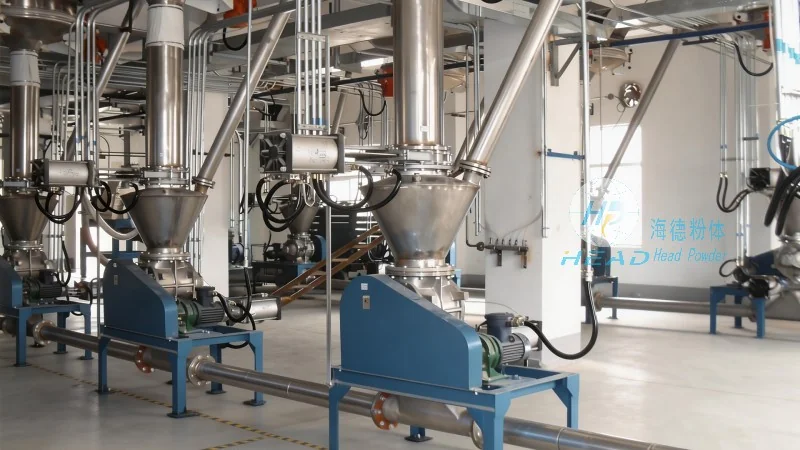
The operation process of the bulk bag quantitative feeding material pneumatic conveying system involves several key steps to ensure smooth and efficient material transfer. First, the bulk bag is positioned and secured in the discharge station. The system then initiates the bag opening process, which may involve cutting or tearing the bag's top to allow material discharge. Next, the quantitative feeding device, typically a volumetric or gravimetric feeder, measures and controls the material flow rate from the bag. This step ensures that the desired quantity of material is fed into the pneumatic conveying line. The material is then transported through the pipeline using compressed air or other gas, which propels the material particles through the system. The conveying line may include components such as bends, filters, and silencers to maintain system efficiency and safety. Finally, the material is discharged into the target container or processing equipment, completing the transfer process.
Working Principle of the Pneumatic Conveying System
The working principle of the bulk bag quantitative feeding material pneumatic conveying system is based on the use of compressed air to transport bulk materials through a pipeline. The system operates on the principle of fluidization, where the material particles are suspended and transported by the moving air stream. The quantitative feeding device plays a crucial role in controlling the material flow rate, ensuring that the system maintains a consistent and stable flow. The compressed air is supplied from a compressor, which generates the necessary pressure to move the material through the pipeline. The system may use positive pressure or negative pressure (air suction) depending on the application requirements. Positive pressure systems are commonly used for long-distance or high-capacity conveying, as they provide reliable material transport with minimal pressure loss. Negative pressure systems, on the other hand, are suitable for applications where dust control and material containment are critical, as they create a vacuum to draw material from the source.
Key Components and Their Functions
The bulk bag quantitative feeding material pneumatic conveying system consists of several key components, each playing a vital role in the overall operation. The bulk bag discharge station includes a bag opening mechanism, such as a bag cutter or tear ring, which allows the material to be discharged from the bag. The quantitative feeder, which can be a screw feeder, rotary valve, or gravimetric scale, measures and controls the material flow rate. The pneumatic conveying pipeline is made of materials like stainless steel or plastic, designed to withstand the pressure and abrasion from the material. The pipeline may include components such as bends, elbows, and filters to maintain system efficiency and prevent material blockages. The compressor or vacuum pump provides the necessary air pressure or suction to transport the material. The control system, which may include sensors and a programmable logic controller (PLC), monitors and controls the system parameters to ensure stable operation. The discharge station at the receiving end includes a container or processing equipment to receive the material.
Advantages of the System
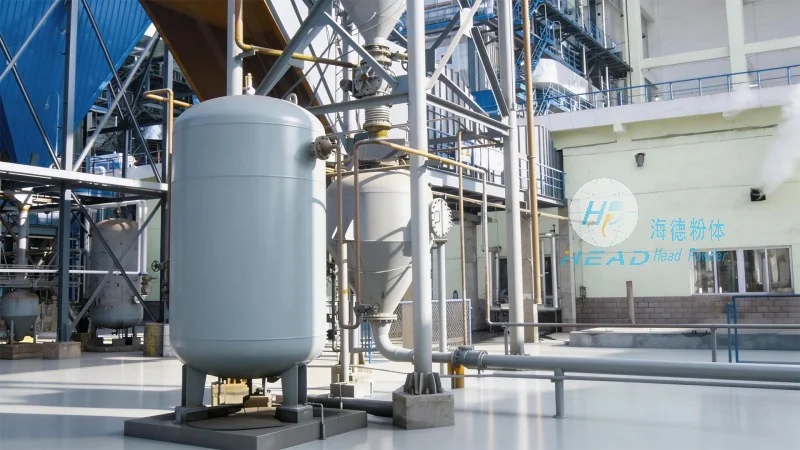
The bulk bag quantitative feeding material pneumatic conveying system offers several advantages over traditional material handling methods. First, it provides precise and consistent material flow, which is essential for applications requiring accurate dosing or batching. The system reduces material loss and contamination, as the material is handled in a closed environment, minimizing exposure to dust and moisture. The system also improves safety by eliminating manual handling of bulk bags, reducing the risk of accidents and injuries. Additionally, the system is highly flexible and can be adapted to various material types and processing requirements. The system can handle a wide range of materials, including powders, granules, and bulk solids, with different particle sizes and densities. The system is also energy-efficient, as it uses compressed air or vacuum to transport material, which is more cost-effective than mechanical conveying systems.
Conclusion
The bulk bag quantitative feeding material pneumatic conveying system is a reliable and efficient solution for handling bulk materials from ton bags. The system combines precise quantitative feeding with pneumatic conveying technology to ensure accurate and continuous material transfer. HeadPowder Engineering Co., Ltd., with its headquarters in Shandong, China, provides high-quality systems tailored to meet the specific needs of various industries. By understanding the operation process and working principle of this system, businesses can optimize their material handling processes, improve productivity, and enhance overall operational efficiency.