

Operation Process and Working Principle of Zircon Sand Material Pneumatic Conveying
Zircon sand, a vital raw material in industries such as ceramics, glass, and chemical manufacturing, often requires efficient material handling solutions to ensure smooth production workflows. Pneumatic conveying systems have become a preferred method for transporting zircon sand due to their ability to handle fine powders and granular materials with minimal dust generation and high operational efficiency. This article provides a detailed overview of the operation process and working principle of pneumatic conveying systems specifically designed for zircon sand, highlighting the technical aspects and practical considerations that contribute to their successful implementation.
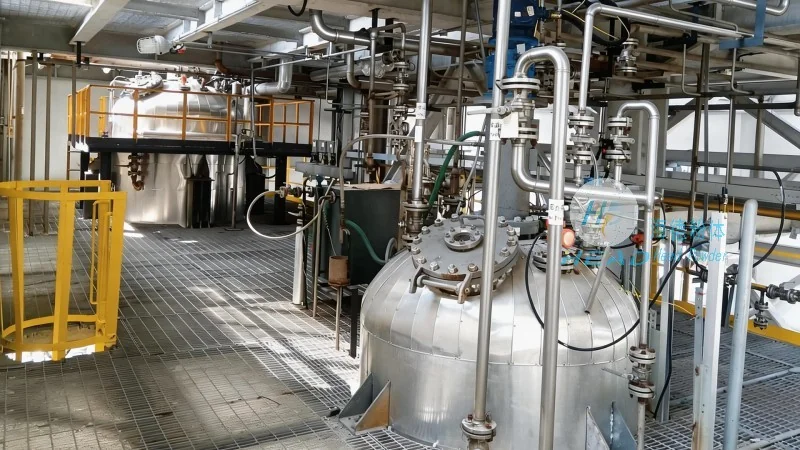
Working Principle of Zircon Sand Pneumatic Conveying Systems
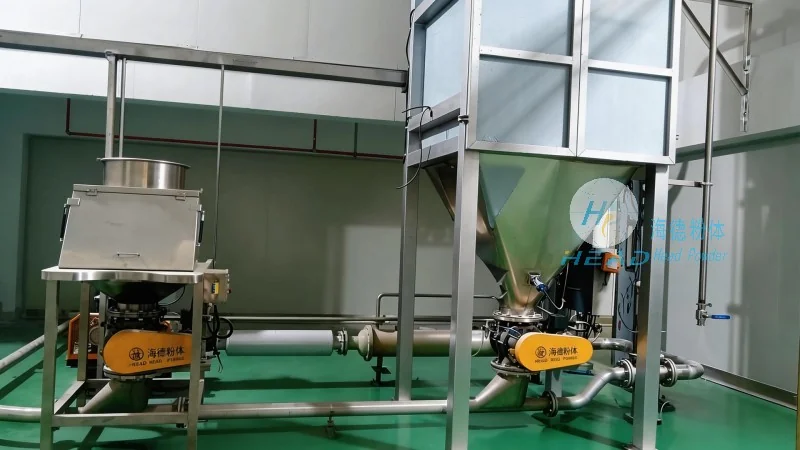
The fundamental working principle of a zircon sand pneumatic conveying system involves the use of compressed air or gas to transport the material through a pipeline network. The system typically comprises a feeding hopper, a feeder (rotary valve or screw feeder), a conveying line, and a receiving hopper or silo. The process begins with the zircon sand being stored in the hopper and introduced into the conveying line by the feeder. Compressed air is then supplied to the line, creating a flow that lifts and propels the sand particles through the pipeline. The air-sand mixture travels to the receiving hopper, where the air is separated from the sand—often via a cyclone separator or filter—and the air is either vented or recycled. This separation ensures the zircon sand is transported efficiently with minimal loss and contamination.
Operation Process of Zircon Sand Pneumatic Conveying Systems
The operation process of a zircon sand pneumatic conveying system involves several coordinated stages to maintain optimal performance. The initial stage is material preparation, where the zircon sand is stored in the hopper and prepared for feeding. The feeder regulates the flow rate of the sand into the conveying line, ensuring consistent and controlled feed. Compressed air from an air compressor is then supplied, regulated to the appropriate pressure and flow rate. As the sand is fed into the line, the air creates a positive or negative pressure (depending on system design) that moves the material through the pipeline. The conveying line, constructed from corrosion-resistant materials like stainless steel, is designed to accommodate the material flow and pressure drop. At the receiving end, the air is separated from the sand, and the sand is collected in the receiving hopper. The system may include a filter or cyclone to capture fine particles and prevent dust from escaping. Regular maintenance of components such as the feeder, air compressor, and conveying line is essential to ensure continuous and reliable operation.
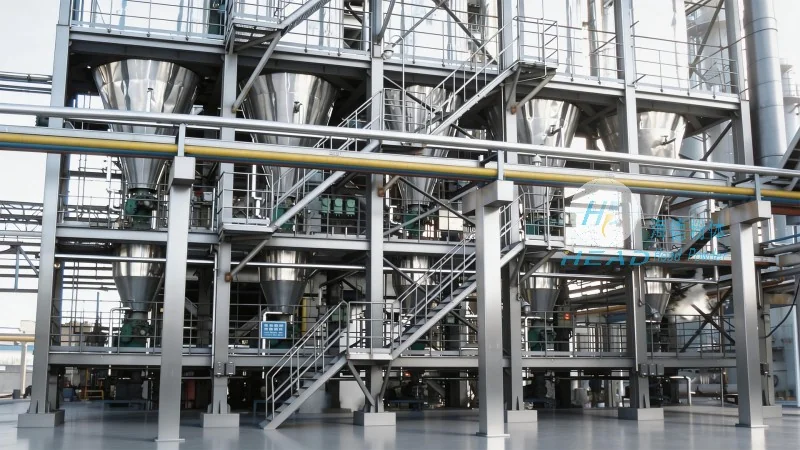
Key Components and Their Roles in Zircon Sand Pneumatic Conveying
Several critical components work in tandem to ensure efficient operation of a zircon sand pneumatic conveying system. The feeding hopper serves as the storage and feeding device, providing a consistent supply of zircon sand. The feeder (rotary valve or screw type) regulates the flow rate, preventing overfeeding or underfeeding that could affect system performance. The air compressor generates the compressed air needed to transport the material, with capacity and pressure matched to system requirements. The conveying line is designed with appropriate diameter and length to handle the material flow and pressure drop. The receiving hopper collects the transported zircon sand and may include a discharge valve to control material release. The separation system (cyclone or filter) separates air from sand, ensuring the sand is clean and free from contaminants. Each component plays a vital role, and proper selection and maintenance are crucial for optimal performance.
Advantages of Pneumatic Conveying for Zircon Sand Handling
Pneumatic conveying systems offer several advantages when handling zircon sand, making them a top choice for industrial applications. One key advantage is the ability to transport fine powders and granular materials without mechanical components like belts or buckets, reducing wear and contamination risks. The system provides a dust-free environment, enhancing workplace safety and minimizing dust explosion hazards. Additionally, pneumatic conveying allows for flexible, modular designs, enabling easy expansion or modification as production needs change. The process is relatively simple and requires minimal maintenance, lowering operational costs and downtime. The system can handle high material volumes efficiently, improving overall production throughput. These benefits make pneumatic conveying an ideal solution for zircon sand handling in industries like ceramics, glass, and chemical manufacturing.
Company Profile: Shandong HeadPowder Engineering Co., Ltd.
Shandong HeadPowder Engineering Co., Ltd., commonly known as headpowder, is a leading provider of material handling solutions, including pneumatic conveying systems for zircon sand and other industrial materials. The company focuses on innovation and quality, establishing itself as a trusted partner in the industry. Headpowder offers customized solutions tailored to client needs, with expertise in material handling technology. The headquarters is located in Shandong, China, where a state-of-the-art manufacturing facility and research and development center operate. The team of experienced engineers and technicians work closely with clients to design, manufacture, and install pneumatic conveying systems that meet high performance and reliability standards. Headpowder’s commitment to quality and customer service has earned it a reputation for excellence, making it a preferred choice for businesses seeking reliable material handling solutions.
Conclusion: The Importance of Efficient Zircon Sand Pneumatic Conveying
In summary, the operation process and working principle of zircon sand pneumatic conveying systems are critical to efficient handling of this essential raw material. The system’s ability to transport fine powders and granular materials with minimal dust generation and high efficiency makes it an ideal solution for various industrial applications. By understanding the working principle and operation process, businesses can optimize material handling operations, reduce costs, and improve productivity. With the expertise and experience of companies like Shandong HeadPowder Engineering Co., Ltd., businesses can implement reliable and efficient pneumatic conveying systems that meet their specific needs and contribute to long-term success.