

Operation Process and Working Principle of Rapid Material Loading Pneumatic Conveying
HeadPowder, a leading manufacturer based in Shandong, China, specializes in the design, development, and implementation of advanced pneumatic conveying systems. Our company, Shandong HeadPowder Engineering Co., Ltd., has been at the forefront of providing efficient and reliable solutions for material handling across various industries. The following article delves into the operation process and working principle of rapid material loading pneumatic conveying, highlighting the technical aspects and practical applications of this innovative technology.
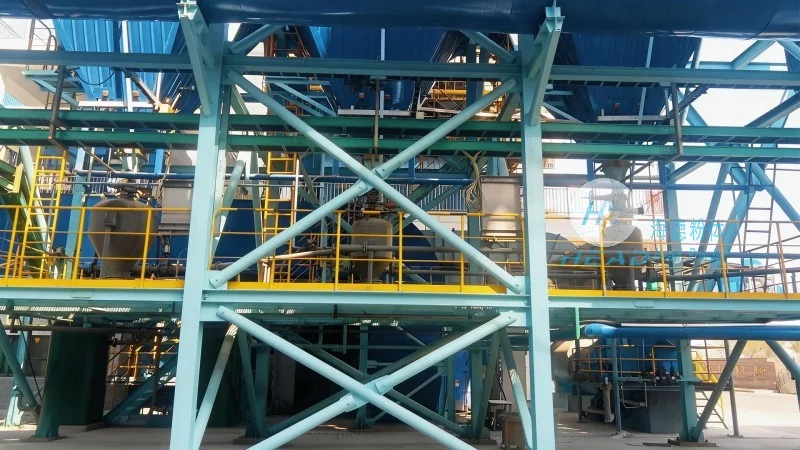
Introduction to Rapid Material Loading Pneumatic Conveying
Rapid material loading pneumatic conveying is a sophisticated method used to transport bulk materials from a storage point to a processing or packaging area through a pressurized or vacuum system. This technology offers significant advantages over traditional mechanical conveying methods, such as reduced downtime, enhanced safety, and improved material integrity. The system typically involves a hopper, a conveyor line, and a receiver, all connected by a network of pipes and valves. HeadPowder's expertise in engineering ensures that these systems are tailored to meet the specific needs of clients, optimizing performance and efficiency.
Key Components of the Pneumatic Conveying System
The core components of a rapid material loading pneumatic conveying system include the material hopper, the air compressor or vacuum pump, the conveying line (usually made of stainless steel or other corrosion-resistant materials), and the receiving hopper or silo. The material hopper is designed to hold the bulk material and features a discharge valve that controls the flow rate. The air compressor generates the necessary pressure or vacuum to move the material through the system. The conveying line is equipped with check valves and filters to prevent material blockages and ensure clean air flow. The receiving hopper collects the material at the destination, completing the transfer process.
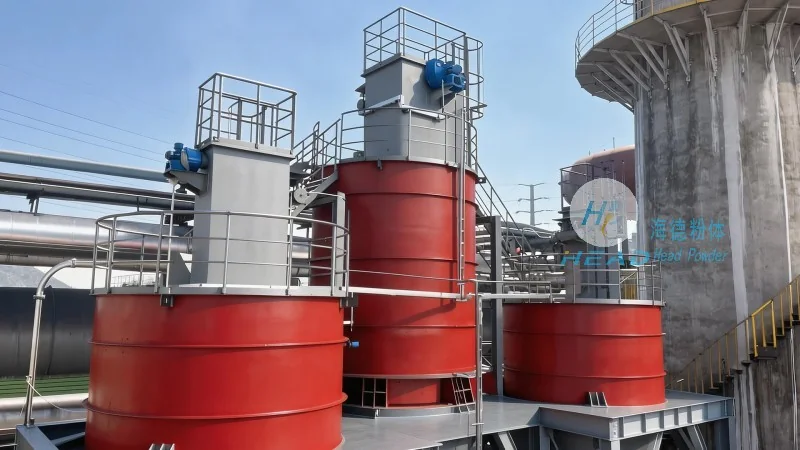
Operation Process of Rapid Material Loading
The operation process of rapid material loading pneumatic conveying involves several sequential steps. First, the bulk material is fed into the material hopper from a storage silo or bin. The discharge valve is then opened, allowing the material to fall into the conveying line. Simultaneously, the air compressor starts, creating a pressure differential that propels the material forward. As the material travels through the line, it is mixed with the air, forming a slurry that moves efficiently to the receiving hopper. The system is equipped with sensors and control panels that monitor pressure, flow rate, and material level, ensuring smooth operation and preventing overloading or underloading. HeadPowder's systems are designed with advanced control algorithms that optimize the air flow and material feed, maximizing throughput and minimizing energy consumption.
Working Principle of Pneumatic Conveying
The working principle of rapid material loading pneumatic conveying is based on the principles of fluid dynamics and particle movement. In a pressurized system, the air compressor supplies compressed air that pushes the material through the conveying line. The air pressure creates a positive pressure gradient, forcing the material to move from the hopper to the receiver. The velocity of the air and the size of the particles determine the conveying capacity and efficiency. In a vacuum system, the vacuum pump creates a negative pressure that draws the material into the line. The combination of air flow and material particles forms a dense phase or dilute phase flow, depending on the system design. HeadPowder's systems can operate in both dense phase and dilute phase modes, offering flexibility for different material types and conveying distances. The working principle also involves the use of check valves and filters to maintain system integrity and prevent material backflow or contamination.
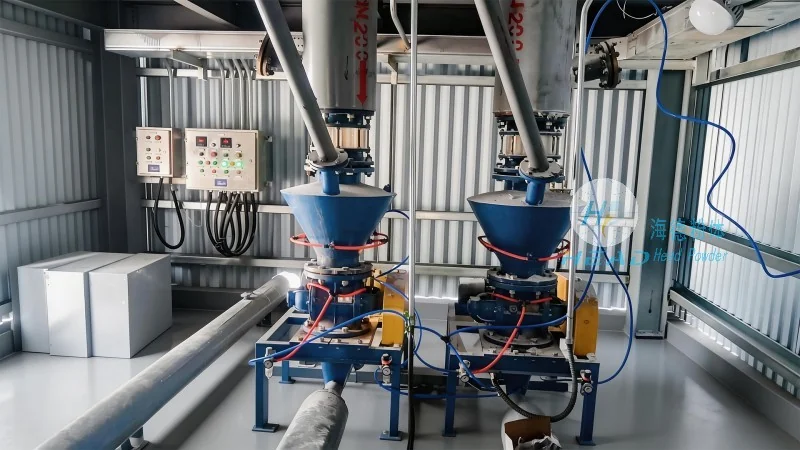
Technical Advantages and Applications
Rapid material loading pneumatic conveying systems offer several technical advantages over traditional methods. These include reduced maintenance requirements due to fewer moving parts, improved safety as there are no exposed gears or belts, and the ability to handle a wide range of materials, including powders, granules, and bulk solids. The systems are also highly adaptable, allowing for easy integration with existing production lines and expansion as business needs grow. HeadPowder's solutions are widely used in industries such as pharmaceuticals, food processing, chemicals, and mining. For example, in the pharmaceutical industry, the system ensures that sensitive materials are handled hygienically and without contamination. In the food industry, the system maintains the quality and freshness of ingredients. In the chemical industry, the system handles abrasive and corrosive materials with minimal wear and tear. The applications of rapid material loading pneumatic conveying are diverse, making it a versatile solution for various material handling challenges.
Conclusion and Company Commitment
HeadPowder, with its headquarters in Shandong, China, remains committed to delivering high-quality pneumatic conveying systems that meet the evolving needs of modern industries. Our expertise in engineering and manufacturing ensures that each system is designed to operate efficiently, reliably, and safely. By leveraging advanced technology and rigorous quality control, we provide clients with solutions that enhance productivity, reduce costs, and improve overall operational performance. The rapid material loading pneumatic conveying system is a testament to our dedication to innovation and excellence in material handling technology. As a trusted partner, HeadPowder continues to support clients in achieving their material handling goals with cutting-edge solutions that are tailored to their specific requirements.