

Operation Process and Working Principle of Dust-Free Closed Material Pneumatic Conveying
HeadPowder, a leading provider of industrial material handling solutions, specializes in dust-free closed pneumatic conveying systems. These systems are designed to transport bulk materials efficiently and safely, ensuring minimal dust generation and maintaining a clean working environment. The following article explores the operation process and working principles of such systems, highlighting their key components and operational mechanisms.
Key Components of the Pneumatic Conveying System
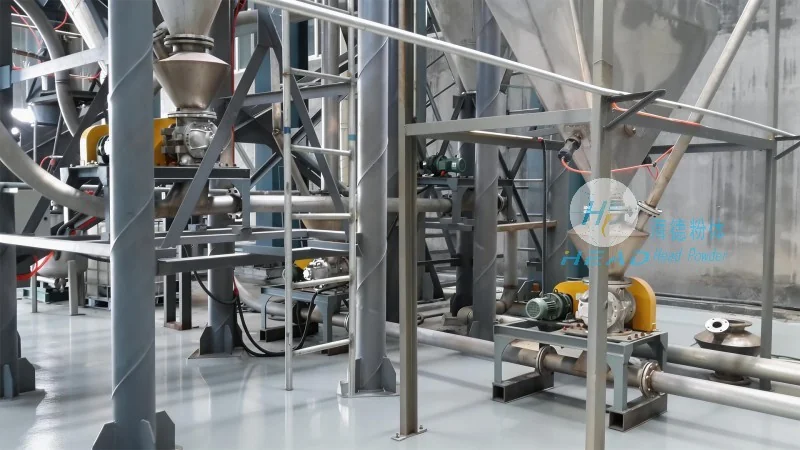
The dust-free closed material pneumatic conveying system typically consists of several critical components that work in tandem to facilitate material transport. These include a material feed hopper, a conveying line (often equipped with a dust filter and pressure regulator), a receiver or discharge hopper, and a vacuum or pressure source. The feed hopper is responsible for storing and feeding the bulk material into the system, while the conveying line transports the material through the pipeline. The receiver is where the material is discharged, and the vacuum or pressure source provides the necessary force to move the material along the line. Additionally, the system may incorporate a dust filter to capture any airborne particles and maintain a clean environment.
Working Principle of the Pneumatic Conveying Process
The operation of a dust-free closed material pneumatic conveying system involves a sequence of steps that ensure efficient and controlled material transport. The process begins with the material being loaded into the feed hopper. From there, the material is drawn into the conveying line by the vacuum or pressure source. As the material moves through the pipeline, it is suspended in a stream of air, which helps to prevent dust from escaping and keeps the material in a closed system. The conveying line is designed to maintain a consistent pressure or vacuum level, ensuring that the material travels smoothly without clogging or blockages. The receiver at the end of the line collects the material, which is then discharged as needed. Throughout the process, the system continuously monitors pressure and flow rates to maintain optimal performance and prevent any issues that could affect material handling efficiency.
Operation Process: Step-by-Step Breakdown
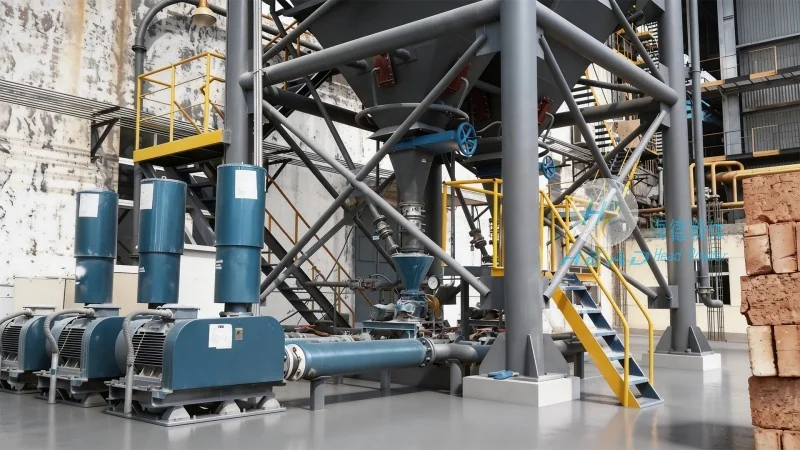
The operation process of a dust-free closed material pneumatic conveying system can be broken down into several key steps. First, the bulk material is loaded into the feed hopper, which is typically equipped with a feeder to control the flow rate. Next, the vacuum or pressure source is activated, creating the necessary force to draw the material into the conveying line. The material is then transported through the pipeline, suspended in the air stream. The conveying line may include components such as bends, elbows, or expansion joints to accommodate changes in direction or elevation. At the receiving end, the material is discharged into the receiver, which may be equipped with a discharge valve to control the flow out of the system. The system also includes a dust filter to capture any particles that may have escaped, ensuring that the environment remains clean and safe. Finally, the system is monitored to ensure that all components are functioning correctly and that the material is being transported efficiently.
Benefits of Dust-Free Closed Material Pneumatic Conveying
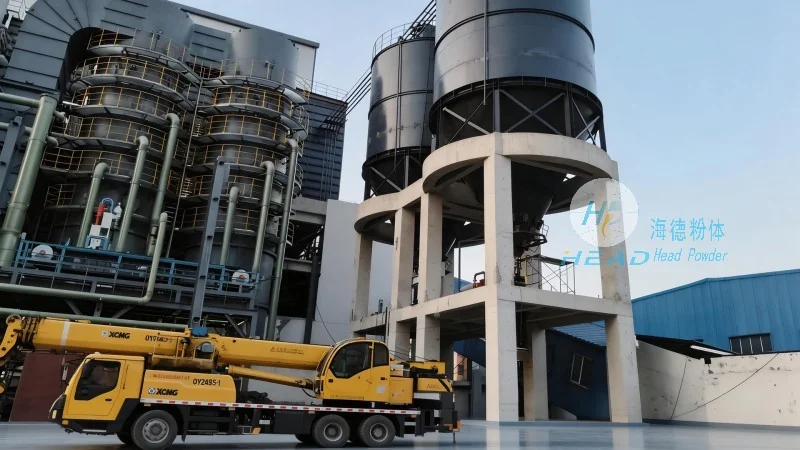
HeadPowder's dust-free closed material pneumatic conveying systems offer numerous benefits for industrial applications. These systems provide a safe and efficient method of transporting bulk materials, reducing the risk of dust exposure and improving workplace safety. By maintaining a closed system, the process minimizes environmental contamination and ensures compliance with regulatory standards. Additionally, the systems are designed to be energy-efficient, reducing operational costs and improving overall productivity. The closed nature of the system also helps to prevent material contamination, ensuring that the product remains clean and free from impurities. Furthermore, the systems are versatile and can be adapted to handle a wide range of materials, including powders, granules, and bulk solids. This flexibility makes them suitable for various industries, such as food processing, pharmaceuticals, and chemical manufacturing.
Applications and Industries
The dust-free closed material pneumatic conveying systems from HeadPowder are widely used in various industries that require efficient and safe material handling. These include the food and beverage industry, where the systems are used to transport ingredients and finished products without compromising quality or safety. In the pharmaceutical industry, the systems are used to handle sensitive materials, ensuring that they are transported in a clean and controlled environment. The chemical industry also benefits from these systems, as they help to transport hazardous materials safely and efficiently. Additionally, the systems are used in the agricultural sector to transport grains and other bulk materials, improving the efficiency of storage and processing operations. Overall, the dust-free closed material pneumatic conveying systems from HeadPowder provide a reliable and effective solution for material handling in a variety of industrial applications.