

Operation Process and Working Principle of Environmental Material Pneumatic Conveying
HeadPowder, a leading enterprise in the field of pneumatic conveying technology, specializes in providing efficient and eco-friendly solutions for transporting various materials. With a focus on sustainable industrial practices, the company's expertise lies in the design, manufacturing, and implementation of advanced pneumatic conveying systems tailored to meet the demands of modern manufacturing processes. This article delves into the operation process and working principle of environmental material pneumatic conveying, highlighting the key components, operational steps, and the underlying mechanisms that enable seamless material transport while adhering to environmental standards.
Understanding Pneumatic Conveying Systems
Pneumatic conveying is a method of transporting bulk materials through a pipeline using a gas stream, typically air or other gases. Unlike traditional mechanical conveying systems, which rely on belts, screws, or buckets, pneumatic systems utilize the force of compressed air to move materials from one location to another. This technology is particularly advantageous for handling fine powders, granules, and other loose materials that are difficult to transport using conventional methods. The core of a pneumatic conveying system consists of several essential components, including a material feed hopper, a conveying pipeline, a pressure or vacuum source, and a discharge unit. Each component plays a critical role in ensuring the efficient and safe operation of the system.
The Working Principle of Pneumatic Conveying
The fundamental principle behind pneumatic conveying is the creation of a flow of air or gas within the pipeline, which generates sufficient force to lift and transport the material particles. There are two primary types of pneumatic conveying systems: pressure and vacuum. In pressure systems, compressed air is introduced at the material feed point, creating a positive pressure that pushes the material through the pipeline. Conversely, vacuum systems use a vacuum pump to create a negative pressure at the discharge end, drawing the material from the feed point towards the receiver. The choice between pressure and vacuum systems depends on factors such as the material's properties, the distance to be conveyed, and the required flow rate. For environmental material handling, vacuum systems are often preferred as they can handle materials with higher moisture content and are less likely to cause dust emissions during operation.
Key Components and Their Functions
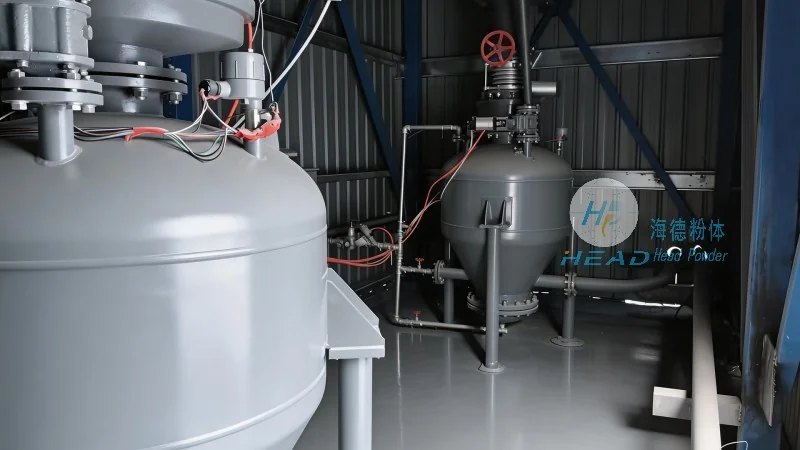
1. **Material Feed Hopper**: The hopper is the initial component where the material is stored before being fed into the conveying system. It is designed to maintain a consistent material level and prevent blockages. The hopper typically includes a feeding valve, such as a rotary valve or a star valve, which controls the flow rate of the material into the pipeline. The design of the hopper is crucial for preventing material bridging and ensuring smooth material discharge.
2. **Conveying Pipeline**: The pipeline is the main channel through which the material and air travel. It is usually made of stainless steel or other corrosion-resistant materials to withstand the abrasive nature of the conveyed materials and the effects of air pressure. The pipeline is equipped with bends, elbows, and straight sections, which are carefully designed to minimize pressure losses and prevent material deposition. The diameter and length of the pipeline are critical factors that affect the system's performance and efficiency.
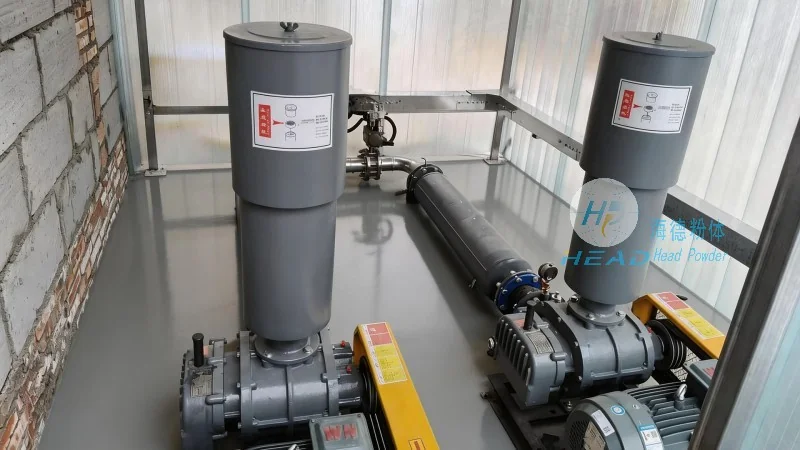
3. **Pressure or Vacuum Source**: This component provides the necessary force to move the material through the pipeline. In pressure systems, a blower or compressor generates compressed air, which is then introduced into the pipeline at the feed point. The pressure level is adjusted based on the material's characteristics and the conveying distance. In vacuum systems, a vacuum pump creates a negative pressure at the discharge end, drawing the material from the feed point. The vacuum source must be powerful enough to overcome the resistance caused by the material's density and the pipeline's friction.
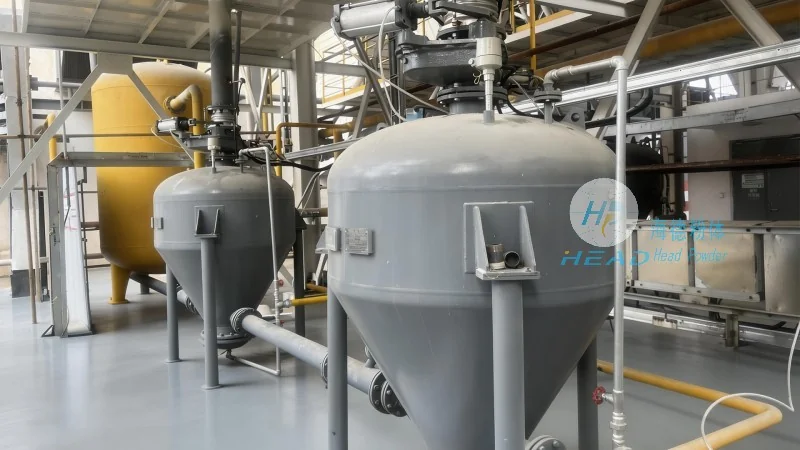
4. **Discharge Unit**: The discharge unit is the final component where the material is collected after being transported through the pipeline. It can be a receiver, a silo, or a storage bin, depending on the application. The discharge unit is equipped with a valve or a gate to control the material flow out of the system. The design of the discharge unit is important to prevent material spillage and ensure safe handling of the material.
Operation Process of Environmental Material Pneumatic Conveying
The operation process of a pneumatic conveying system involves several sequential steps, each of which is critical to the system's overall performance. The process typically begins with the material being fed into the hopper from a storage silo or a batch container. The feeding valve then controls the flow rate of the material into the pipeline. Simultaneously, the pressure or vacuum source is activated, creating the necessary air flow. The material particles are then lifted and carried by the air stream through the pipeline to the discharge unit. At the discharge end, the material is collected and transferred to the next stage of the manufacturing process. The entire process is automated, with sensors and control systems monitoring the flow rate, pressure, and material level to ensure optimal operation. The system is designed to minimize energy consumption and reduce environmental impact, making it an ideal solution for eco-friendly material handling.
Advantages of Pneumatic Conveying for Environmental Material Handling
Pneumatic conveying systems offer several advantages when handling environmental materials. First, they provide a dust-free and clean operation, which is essential for maintaining a safe working environment and complying with environmental regulations. Unlike mechanical conveying systems, which can generate significant dust and cause air pollution, pneumatic systems use enclosed pipelines to contain the material and prevent dust emissions. Second, pneumatic systems are highly flexible and can be easily adapted to different material types and conveying requirements. The system can be modified to handle various particle sizes, moisture contents, and flow rates, making it suitable for a wide range of applications. Third, pneumatic conveying is energy-efficient compared to other material transport methods. The use of compressed air or vacuum reduces the need for mechanical components, such as belts or screws, which can consume more energy and require more maintenance. Finally, pneumatic systems are relatively low-cost to install and maintain, making them an economical choice for industrial applications.
Applications in Environmental Material Handling
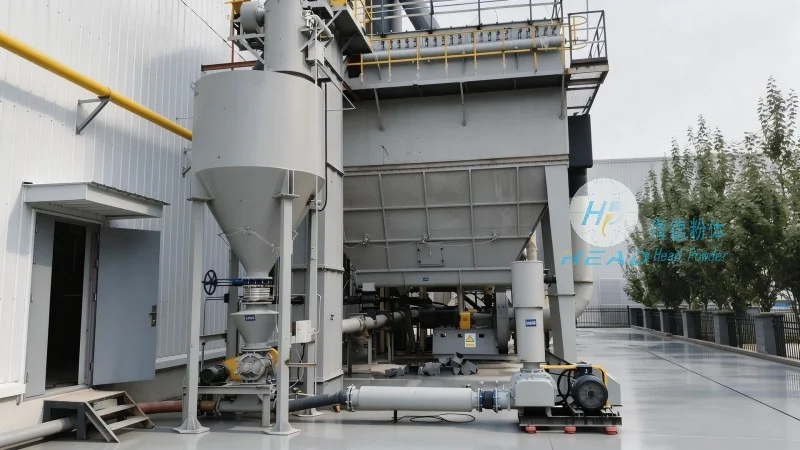
The applications of pneumatic conveying systems in environmental material handling are diverse and widespread. One of the primary applications is the transport of fine powders, such as cement, flour, and pharmaceutical powders. These materials are often sensitive to moisture and temperature, and pneumatic systems can handle them without causing degradation or contamination. Another application is the transport of granular materials, such as sand, gravel, and coal. Pneumatic systems can efficiently transport these materials over long distances without the need for additional equipment. Additionally, pneumatic conveying is used in the food and beverage industry to transport ingredients like sugar, spices, and flour. The system's ability to maintain hygiene and prevent cross-contamination makes it ideal for food processing. In the chemical industry, pneumatic systems are used to transport powders and granules that are hazardous or corrosive. The enclosed design of the system prevents exposure to these materials and ensures safe handling.
Conclusion
HeadPowder Engineering Co., Ltd., based in Shandong, China, is a trusted provider of pneumatic conveying solutions for environmental material handling. The company's expertise in designing and implementing advanced pneumatic systems ensures that clients receive efficient, reliable, and eco-friendly material transport solutions. By understanding the operation process and working principle of pneumatic conveying, industries can leverage this technology to improve their material handling processes, reduce environmental impact, and enhance overall productivity. With a commitment to sustainability and innovation, HeadPowder continues to lead the way in providing cutting-edge solutions for modern manufacturing needs.