

Operation Process and Working Principle of Centralized Material Feeding Pneumatic Conveying
Centralized material feeding pneumatic conveying systems represent a sophisticated approach to material handling, particularly in industrial settings where efficient and reliable transport of bulk materials is critical. These systems are designed to centralize the feeding process, enhancing operational efficiency and reducing the need for multiple local feeding points. The technology leverages air as the conveying medium, enabling the movement of dry bulk materials over long distances with minimal maintenance and operational complexity.
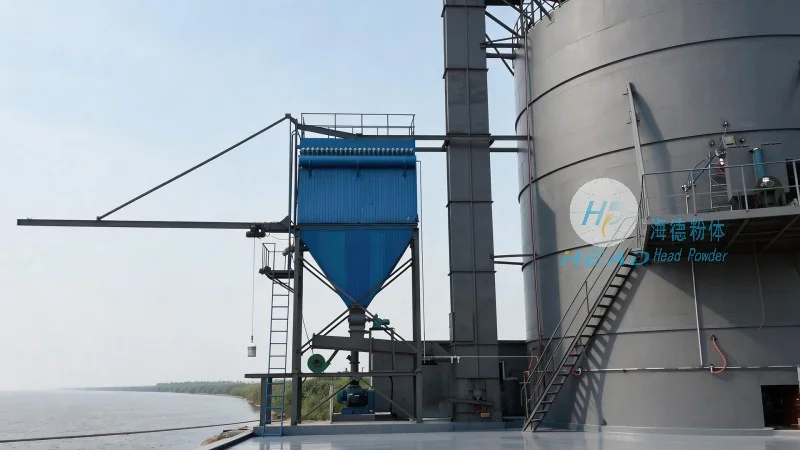
Key Components and Their Roles in the System
The operation of a centralized material feeding pneumatic conveying system relies on several key components, each playing a crucial role in the overall process. The primary components include the material feed hopper, which stores and feeds the bulk material into the system; the air compressor or blower, which generates the necessary air pressure to move the material; the conveying pipeline, which transports the material from the feed point to the discharge point; and the control system, which regulates the flow of material and air to maintain optimal performance. Additionally, the system may incorporate features such as cyclone separators or filters to separate the material from the air stream, ensuring clean and efficient operation.
Operation Process: Step-by-Step Breakdown
The operation of a centralized material feeding pneumatic conveying system typically follows a systematic sequence of steps. Initially, the bulk material is loaded into the feed hopper. The control system then activates the air compressor, which generates a flow of air through the conveying pipeline. As the air moves through the pipeline, it draws the material from the hopper and transports it to the discharge point. The material is then discharged into the receiving container or processing equipment. The system continuously monitors the flow rate and pressure, adjusting the air supply as needed to maintain consistent material delivery. This process ensures a steady and controlled flow of material, minimizing downtime and maximizing productivity.
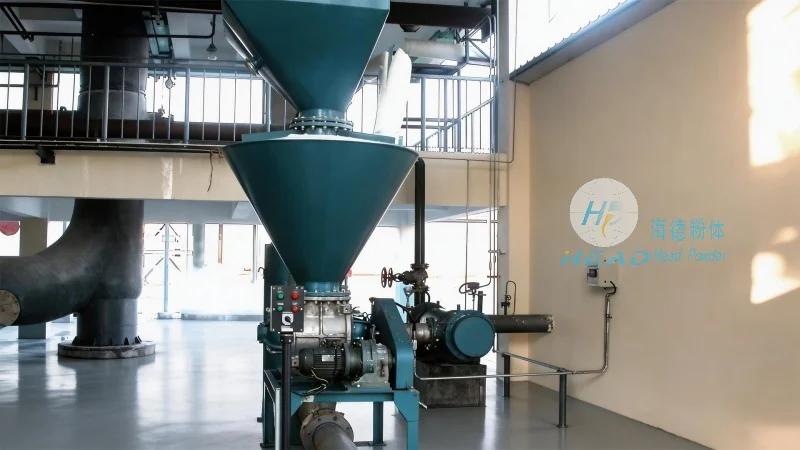
Working Principle: How the System Transfers Material
The working principle of a centralized material feeding pneumatic conveying system is based on the fundamental physics of fluid dynamics and particle movement. The system operates by creating a pressure differential between the feed point and the discharge point. The air compressor generates a high-pressure air stream that enters the conveying pipeline, creating a low-pressure zone at the discharge end. This pressure difference causes the bulk material to be entrained by the air stream and carried through the pipeline. The material particles are suspended in the air stream due to the drag force exerted by the air, allowing them to be transported over long distances without the need for mechanical components like belts or rollers. The cyclone separator or filter at the discharge end separates the material from the air, allowing the air to be recirculated or exhausted, while the material is collected for further use.
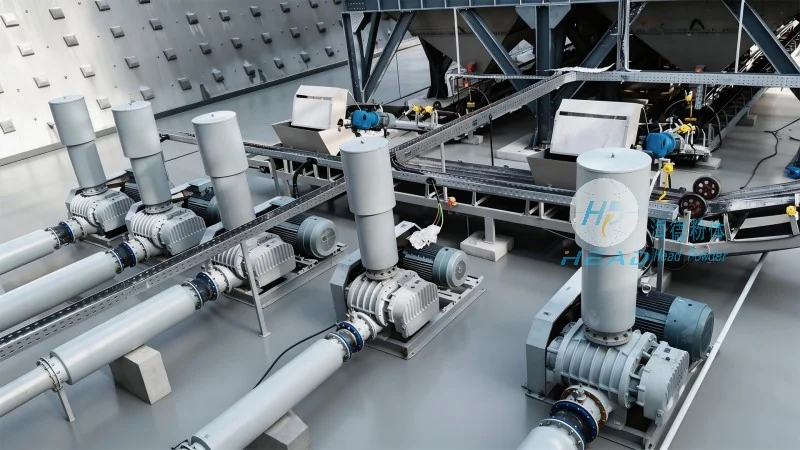
Advantages of Centralized Material Feeding Pneumatic Conveying
Centralized material feeding pneumatic conveying systems offer several advantages over traditional material handling methods. These include improved operational efficiency through centralized control, reduced labor costs due to automated feeding, and enhanced safety by minimizing manual handling of bulk materials. The system also provides better material quality control, as the material is less likely to be contaminated or degraded during transport. Additionally, the use of air as the conveying medium reduces the risk of material spillage and dust emissions, contributing to a cleaner and more environmentally friendly operation. The long-distance capability of these systems makes them ideal for applications where materials need to be transported from a central storage location to multiple processing points.
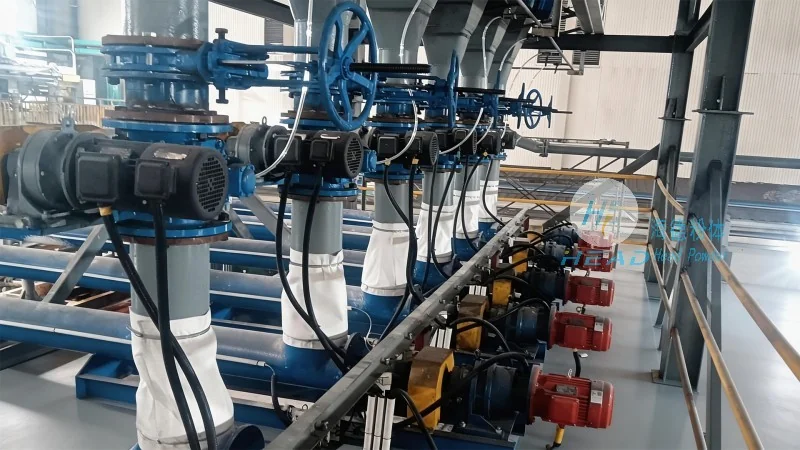
Applications and Industries
Centralized material feeding pneumatic conveying systems are widely used in various industries, including pharmaceuticals, food processing, chemical manufacturing, and mining. In the pharmaceutical industry, these systems are used to transport raw materials and finished products with high precision and minimal contamination. In food processing, they ensure the safe and hygienic handling of bulk food ingredients. The chemical industry utilizes these systems for transporting powders and granules, while the mining sector employs them for conveying ore and other bulk materials from processing plants to storage facilities. The versatility of the system makes it suitable for a wide range of applications, from small-scale laboratory operations to large-scale industrial production lines.
Maintenance and Operational Considerations
Proper maintenance is essential to ensure the reliable and efficient operation of a centralized material feeding pneumatic conveying system. Regular inspection of the air compressor and blower is crucial to prevent performance degradation and ensure consistent air pressure. The conveying pipeline should be checked for blockages or leaks, as these can affect the material flow and system efficiency. The cyclone separator or filter should be cleaned regularly to maintain optimal performance and prevent material buildup. Additionally, the control system should be calibrated periodically to ensure accurate monitoring and adjustment of the material and air flow. By following these maintenance practices, the system can operate at peak efficiency, minimizing downtime and maximizing the lifespan of the equipment.