

Operation Process and Working Principle of Pneumatic Conveying for Iron Powder Materials
HeadPowder, a leading provider in the field, specializes in advanced pneumatic conveying solutions tailored for iron powder materials. This article delves into the operational process and underlying principles of such systems, offering insights into their efficiency and reliability in material handling applications.
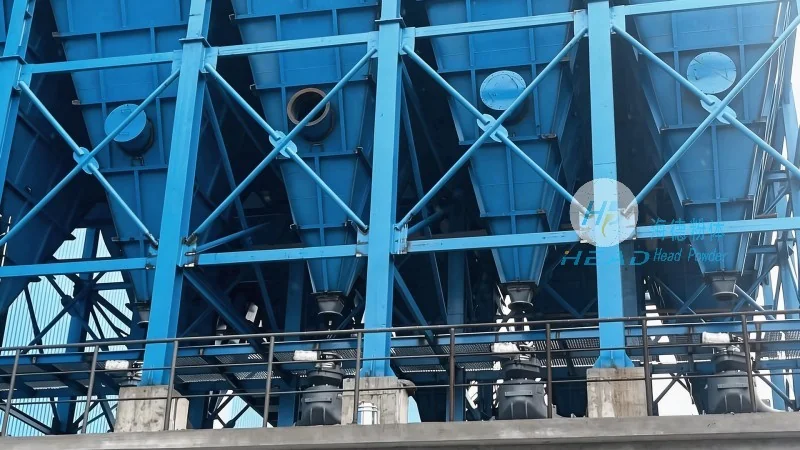
Company Overview: Shandong HeadPowder Engineering Co., Ltd.
HeadPowder, operating from Shandong, China, is dedicated to delivering high-quality engineering solutions for industrial material transport. With a focus on innovation and precision, the company has established itself as a trusted partner in the processing and handling of iron powder and related materials.
Understanding Pneumatic Conveying: Core Principles
Pneumatic conveying, also known as air conveying, is a method of transporting bulk materials through a pipeline using a stream of air. For iron powder, this technology ensures safe, efficient, and dust-free movement from source to destination. The fundamental principle involves creating a pressure differential that propels the material through the system, leveraging air as the medium for transport.
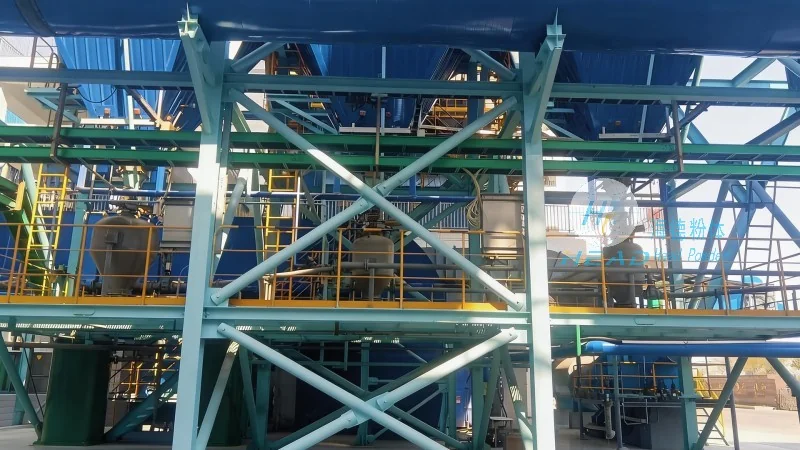
The Operational Process of Iron Powder Pneumatic Conveying
The operation of an iron powder pneumatic conveying system typically involves several key stages. First, the iron powder is fed into the system, often from a hopper or storage silo. A blower or compressor then generates the necessary air pressure to initiate the conveying process. The material is then drawn into the pipeline by the moving air stream, traveling through the system with minimal friction and loss. At the destination, the iron powder is discharged, and the air is either filtered and recycled or vented, depending on the system design.
Key Components and Their Roles in the System
Several critical components work in tandem to ensure the smooth operation of a pneumatic conveying system for iron powder. These include the feed hopper, which controls the material flow; the air supply unit (blower or compressor), which provides the driving force; the pipeline network, which forms the transport path; and the discharge equipment, which collects the material at the end point. Additionally, filtration and separation systems are often integrated to maintain air quality and prevent material buildup.
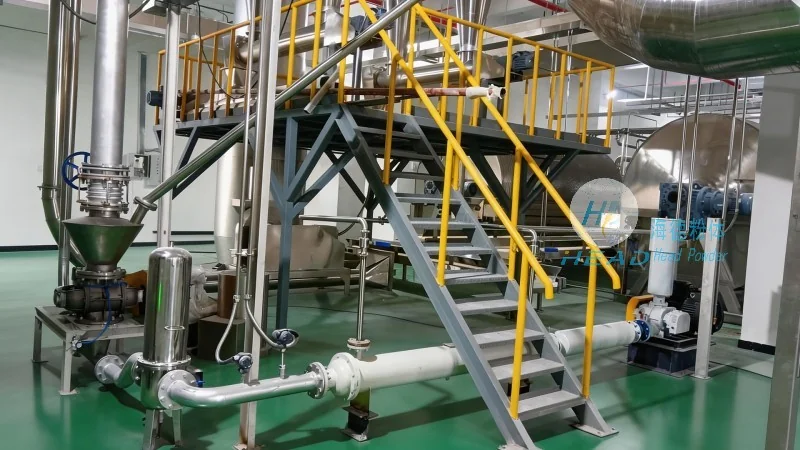
Advantages of Pneumatic Conveying for Iron Powder
Implementing pneumatic conveying for iron powder offers numerous benefits. It minimizes material degradation, as the process is gentle and avoids mechanical contact. The system also reduces labor costs by automating material transport, and it provides a dust-free environment, enhancing workplace safety and compliance with environmental regulations. Furthermore, the flexibility of pneumatic systems allows for easy integration with existing production lines and scalability to meet varying production demands.
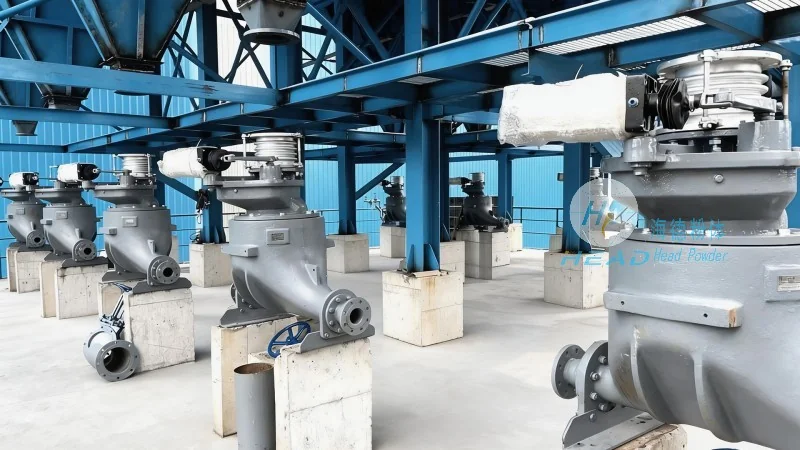
Applications and Industries Benefiting from This Technology
The applications of iron powder pneumatic conveying span across various industries, including metallurgy, chemical processing, and food manufacturing. In metallurgy, it is used for transporting raw iron powders to production lines for further processing. In chemical industries, it facilitates the handling of iron-based additives and compounds. The technology’s adaptability makes it suitable for diverse industrial needs, ensuring efficient material flow and operational efficiency.
Conclusion: Enhancing Efficiency with Pneumatic Conveying Solutions
For businesses dealing with iron powder materials, pneumatic conveying systems from HeadPowder offer a reliable and efficient solution. By understanding the operational process and core principles, companies can optimize their material handling processes, reduce costs, and improve overall productivity. With a commitment to quality and innovation, Shandong HeadPowder Engineering Co., Ltd. continues to provide cutting-edge solutions that meet the evolving needs of the industrial sector.