

Operation Process and Working Principle of Rice Flour Material Pneumatic Conveying
HeadPowder, a leading engineering company based in Shandong, China, specializes in the design and implementation of advanced pneumatic conveying systems tailored for rice flour and similar fine powder materials. This article provides a detailed overview of the operation process and working principles behind such systems, highlighting the technical aspects and practical applications in industrial settings.
Understanding Pneumatic Conveying Systems
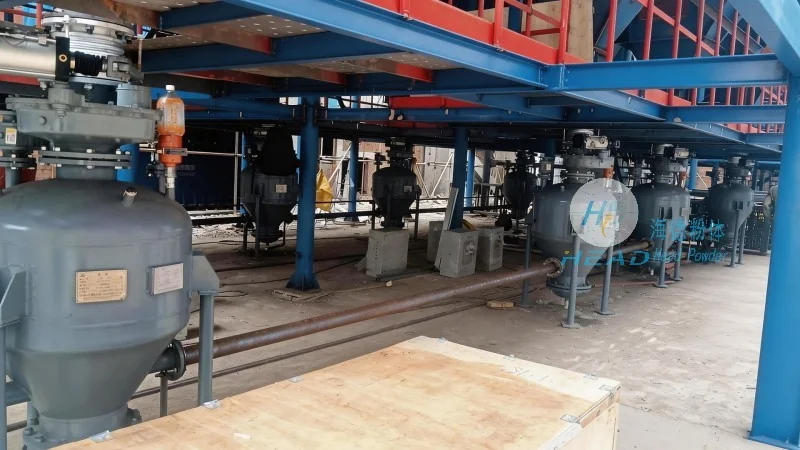
Pneumatic conveying, also known as pneumatic transport, is a method of moving bulk materials through a pipeline using a gas stream, typically air or other gases. In the context of rice flour, this technology is crucial for efficient, dust-free, and continuous material handling. The system operates by creating a pressure differential that propels the powder through the pipeline, ensuring minimal product degradation and contamination.
Key Components of a Pneumatic Conveying System
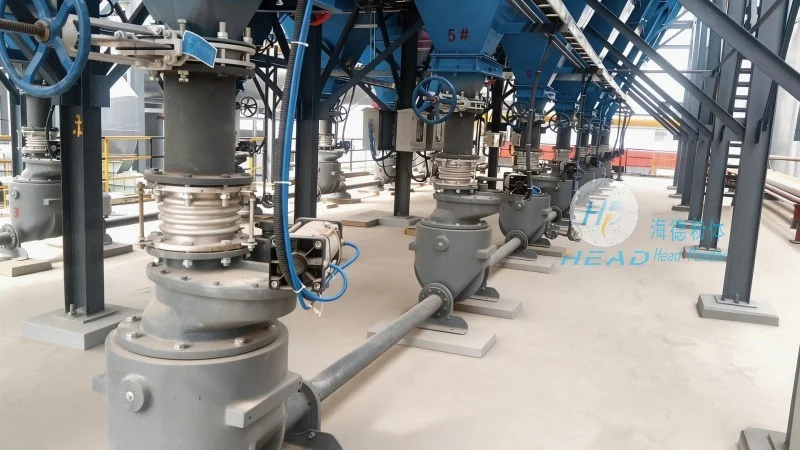
The core components of a rice flour pneumatic conveying system include the material feed hopper, the air compressor or blower, the conveying pipeline, the control valves, and the discharge equipment. Each component plays a vital role in the overall functionality of the system. The feed hopper is designed to store and meter the rice flour, ensuring a consistent flow into the system. The air compressor generates the necessary pressure to move the material through the pipeline, while the control valves regulate the air flow and pressure to maintain optimal conveying conditions. The pipeline network connects all components, and the discharge equipment collects the material at the destination point.
The Operation Process of Rice Flour Pneumatic Conveying
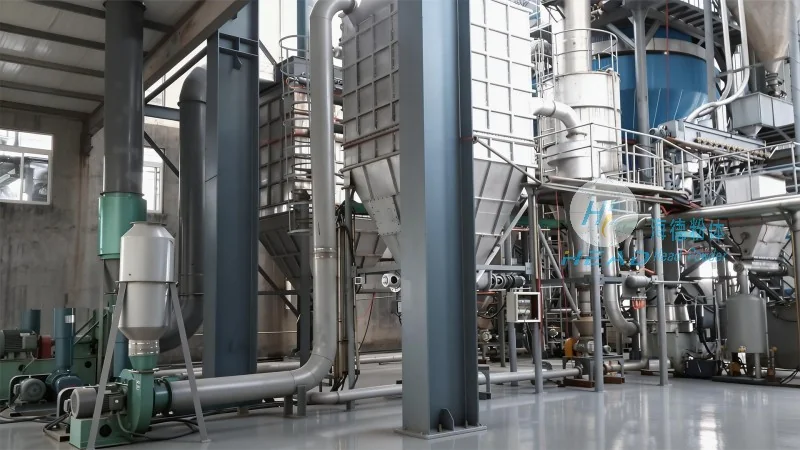
The operation process of a rice flour pneumatic conveying system involves several sequential steps. Initially, the rice flour is loaded into the feed hopper. The system then activates the air compressor, which generates a high-pressure air stream. As the air flows through the pipeline, it creates a low-pressure zone that draws the rice flour particles into the air stream. The mixture of air and powder travels through the pipeline to the discharge point, where the air is separated from the material, typically using a cyclone separator or a filter. The separated rice flour is then collected in a storage bin or directly into a processing unit. The air, now clean, is either vented to the atmosphere or recirculated through the system to improve efficiency.
Working Principles of Pneumatic Conveying for Rice Flour
The working principle of pneumatic conveying for rice flour is based on the interaction between the air flow and the powder particles. There are two primary modes of pneumatic conveying: dilute phase and dense phase. Dilute phase conveying operates at higher air velocities, typically 20-30 m/s, and is suitable for short distances and low to medium material loads. Dense phase conveying, on the other hand, operates at lower air velocities, around 5-10 m/s, and is used for longer distances and higher material loads, as it reduces particle degradation and pressure drop in the pipeline. The choice between these modes depends on the specific requirements of the rice flour handling application.
Advantages of Pneumatic Conveying for Rice Flour Handling
Pneumatic conveying systems offer several advantages when handling rice flour. These include dust-free operation, which is essential for maintaining product quality and worker safety. The system also provides continuous and automated material transfer, reducing labor costs and improving operational efficiency. Additionally, pneumatic conveying minimizes product contamination and degradation, ensuring that the rice flour remains in its original state. The compact design of the system saves space in industrial facilities, making it suitable for both new installations and retrofitting existing processes.
Applications in the Rice Flour Industry
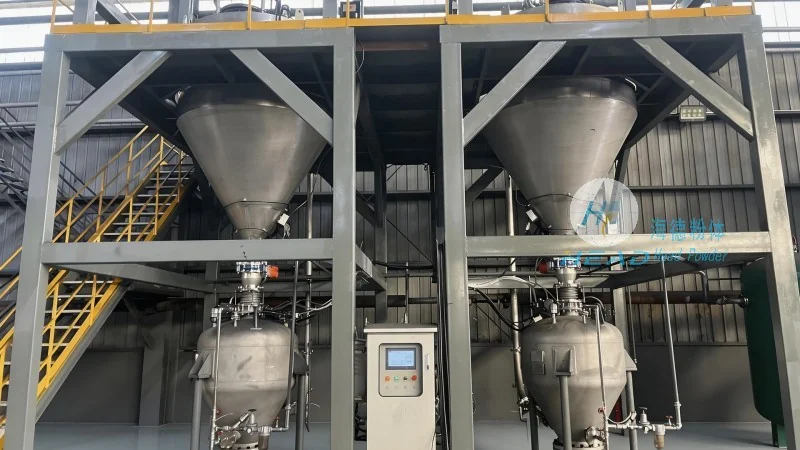
The pneumatic conveying systems designed by Shandong HeadPowder Engineering Co., Ltd. are widely used in various stages of the rice flour production process. These include transporting raw rice from storage to milling equipment, conveying the milled flour from the mill to storage silos, and moving the final product to packaging lines. The systems are also used in blending operations, where different types of rice flour are mixed to achieve the desired product specifications. The flexibility and adaptability of the pneumatic conveying systems make them suitable for a wide range of applications in the rice flour industry.
Conclusion
In conclusion, the operation process and working principles of pneumatic conveying for rice flour materials are complex but highly effective. The system combines advanced engineering with efficient material handling, providing a reliable solution for the rice flour industry. Shandong HeadPowder Engineering Co., Ltd., with its expertise in pneumatic conveying systems, offers tailored solutions that meet the specific needs of rice flour manufacturers, ensuring optimal performance and operational efficiency.