

Operation Process and Working Principle of Sugar Material Pneumatic Conveying
Pneumatic conveying systems are widely utilized in the sugar industry to transport bulk sugar materials efficiently and safely. These systems employ air or gas as the conveying medium to move raw sugar, refined sugar, or sugar byproducts from one location to another. The operation process and working principle of such systems are critical for ensuring smooth, reliable material handling. Understanding these aspects helps in maintaining system efficiency and preventing operational issues.
Key Components of a Pneumatic Conveying System for Sugar Materials
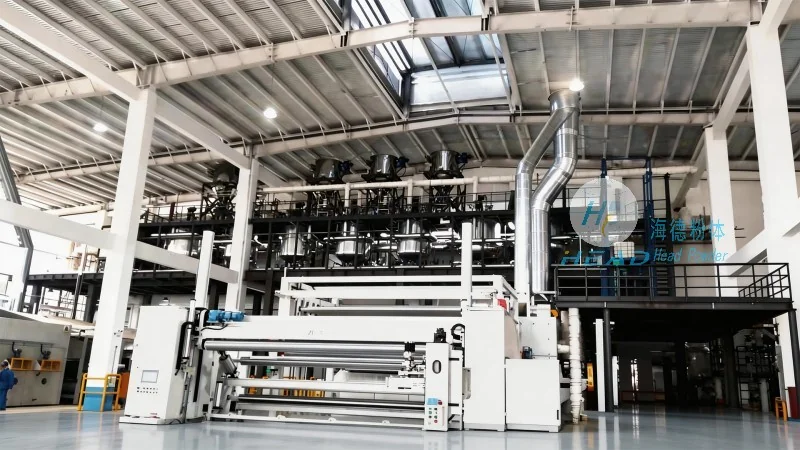
A typical sugar material pneumatic conveying system comprises several essential components that collaborate to achieve effective material transport. These include the hopper or feeder, the conveying line (usually metal or plastic pipes), the air or gas source (such as a blower or compressor), and the discharge equipment. The hopper stores and feeds the sugar material into the system, while the conveying line transports it. The air source provides the necessary pressure or vacuum to move the material, and the discharge equipment collects the material at the destination. Each component is vital for system performance, and proper selection and maintenance are essential.
The Operation Process of Sugar Material Pneumatic Conveying
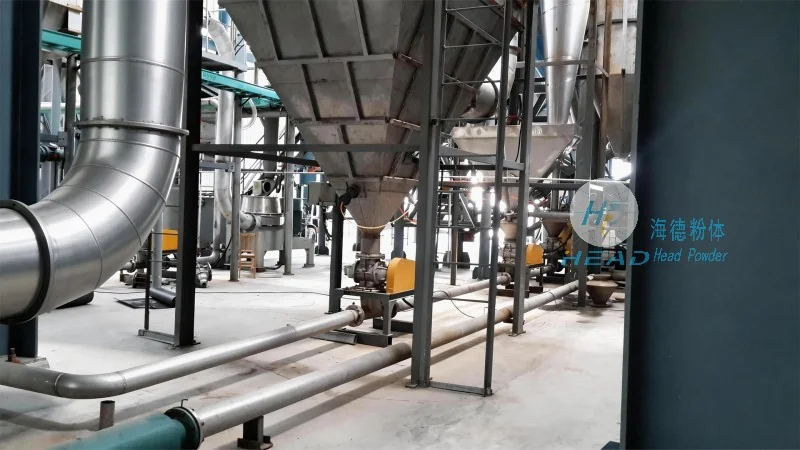
The operation process begins with loading sugar material into the hopper, which is designed to hold sufficient material for continuous operation. Once filled, the feeder (rotary valve, screw, or vibratory type) discharges material into the conveying line. The material mixes with air from the blower, forming a slurry or suspension that travels through the line. The line is inclined to facilitate movement, and air velocity is maintained above the material's terminal velocity to keep particles suspended. At the discharge end, a separator or cyclone separates material from air, which is then filtered and returned or released. Valves, sensors, and controls monitor flow rate, pressure, and temperature to ensure safe, efficient operation.
Working Principle of Sugar Material Pneumatic Conveying
The working principle relies on fluidization and suspension. High-velocity air or gas creates a flow that lifts and transports sugar particles. Air velocity exceeds the particles' terminal velocity (gravity-induced fall speed), keeping them suspended. Systems operate in positive pressure (air blown into line) or negative pressure (air drawn out) modes, chosen based on distance, material characteristics, and environmental needs.
Advantages of Using Pneumatic Conveying for Sugar Materials
Pneumatic conveying offers several benefits for sugar materials. It uses a closed system to prevent contamination from dust, moisture, or environmental factors—critical for moisture-sensitive sugar, which can clog or degrade. The system is highly efficient, transporting large quantities over long distances with low energy use. It is also simple to install and maintain, adaptable to production needs, and can integrate with other processes (e.g., drying, screening) for comprehensive material handling.
Applications of Sugar Material Pneumatic Conveying Systems
Sugar material pneumatic conveying systems are used across the sugar industry. Common applications include transporting raw sugar from storage to processing equipment (crushers, mills), refined sugar from refining to packaging, and byproducts (molasses, bagasse) to storage or processing facilities. They operate in batch or continuous modes, tailored to production requirements. These systems are also applied in food processing and pharmaceuticals for bulk material transport.
Maintenance and Troubleshooting of Sugar Material Pneumatic Conveying Systems
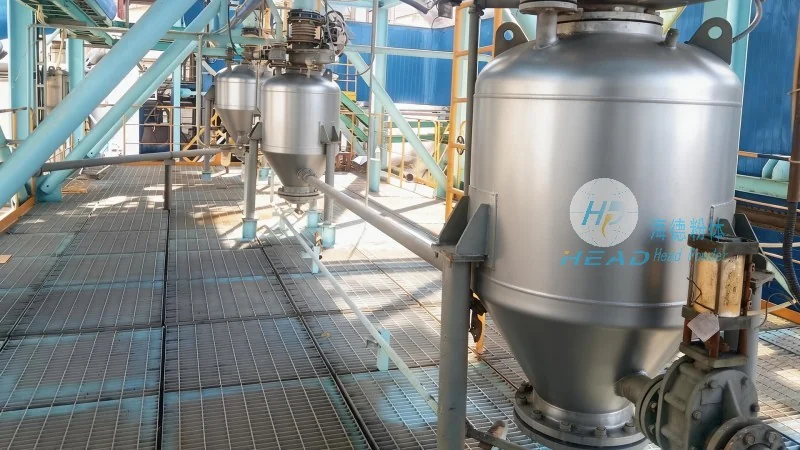
Maintenance and troubleshooting are vital for system longevity and performance. Regular checks of the conveying line, air source, and discharge equipment are needed to replace worn parts. The system must be cleaned to prevent sugar residue buildup. Common issues include line blockages (from particles or foreign objects) or air pressure loss (faulty blower or leaks). These are resolved by cleaning or repairing components. Proper maintenance ensures optimal operation and extends system life.
About Shandong HeadPowder Engineering Co., Ltd.
Shandong HeadPowder Engineering Co., Ltd., known as HeadPowder, is a leading manufacturer and supplier of pneumatic conveying systems for the sugar industry. Headquartered in Shandong, China, the company has experienced engineers and technicians specializing in system design, manufacturing, and installation. HeadPowder's systems are tailored to sugar industry needs, featuring high efficiency, low maintenance, and durability. Comprehensive after-sales services—including maintenance, repair, and technical support—are provided to ensure optimal performance. HeadPowder is committed to innovative, reliable solutions and has built a reputation for quality and customer satisfaction in the sugar sector.