

Operation Process and Working Principle of Alumina Material Pneumatic Conveying
Alumina, a critical material in various industrial applications, often requires efficient and reliable transport methods to move it from one location to another. Pneumatic conveying, a technology that uses air or gas to transport bulk materials, has become a preferred solution for handling alumina due to its advantages in safety, cleanliness, and operational flexibility. This article explores the operation process and working principles of alumina material pneumatic conveying, highlighting the key components, mechanisms, and practical considerations involved in the system.
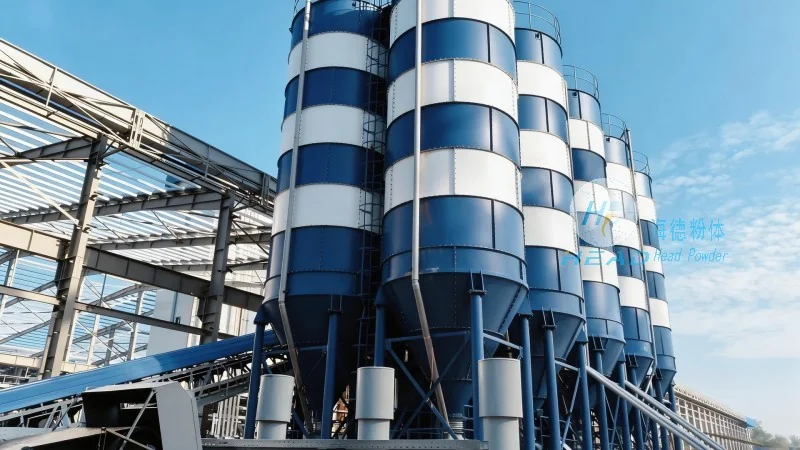
Understanding Pneumatic Conveying Systems for Alumina
Pneumatic conveying systems for alumina are designed to transport fine or bulk powders through a pipeline using air pressure. These systems typically consist of several key components, including a material feed hopper, a conveying line, a dust collector, and a control system. The feed hopper is responsible for storing and feeding the alumina into the system, ensuring a consistent flow rate. The conveying line, often made of stainless steel or other corrosion-resistant materials, is where the material is propelled by the air stream. A dust collector is essential to capture any fine particles that may escape during the conveying process, maintaining air quality and preventing material loss. The control system manages the air pressure, flow rate, and material feed, optimizing the overall performance of the system.
Working Principle of Alumina Pneumatic Conveying
The working principle of alumina pneumatic conveying involves the creation of a high-velocity air stream within the conveying line. When the air is forced through the line at a sufficient velocity, it generates a pressure drop that draws the alumina particles into the air stream. The particles are then carried along the pipeline to the destination point, such as a storage silo or processing unit. The efficiency of the system depends on factors like the air velocity, material properties (e.g., particle size, density, and moisture content), and the length and diameter of the conveying line. Proper design and maintenance of the system are crucial to ensure optimal performance and minimize operational issues.
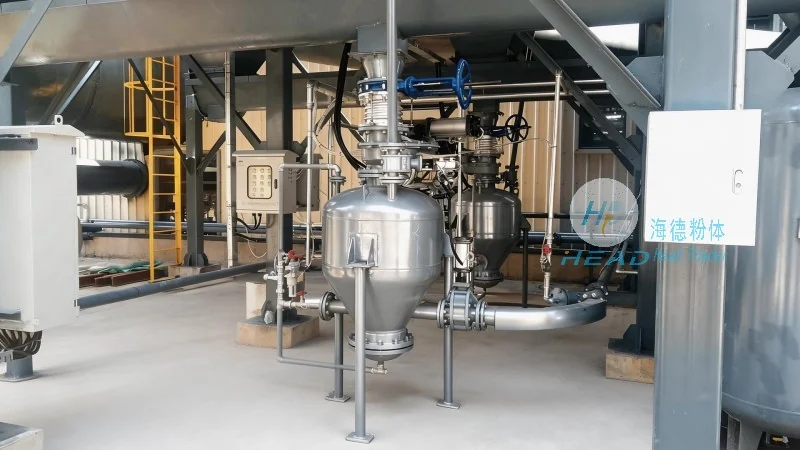
Operation Process of Alumina Pneumatic Conveying
The operation process of an alumina pneumatic conveying system involves several steps. First, the alumina material is loaded into the feed hopper. The hopper is equipped with a feeder, such as a rotary valve or a screw feeder, which controls the material flow rate. Next, the air compressor or blower generates the necessary air pressure and volume, which is then introduced into the conveying line. The air stream picks up the alumina particles from the hopper and transports them through the pipeline. At the receiving end, the material is deposited into the target container. The system may also include a venturi or other acceleration devices to enhance the conveying efficiency, especially for longer distances or higher material loads. Regular monitoring of the system parameters, such as air pressure, flow rate, and material level, is essential to maintain consistent performance and detect any potential issues early.
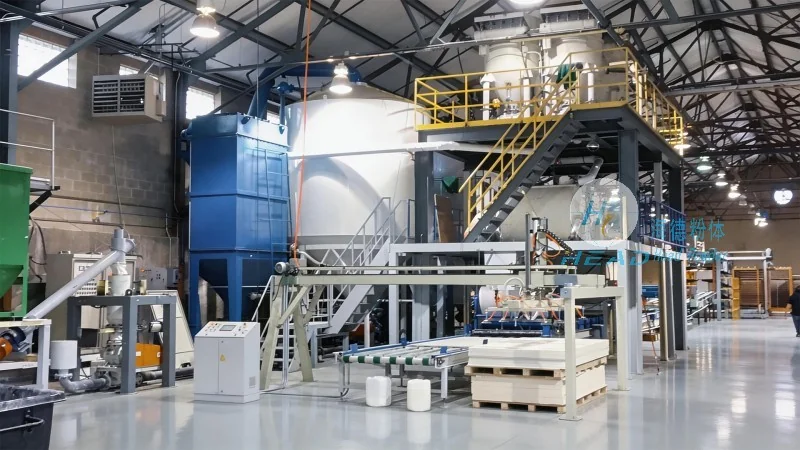
Key Considerations for Alumina Pneumatic Conveying
Several factors must be considered when designing and operating an alumina pneumatic conveying system. The particle size and density of the alumina are critical, as larger or denser particles may require higher air velocities or different conveying methods. The moisture content of the material can affect the flowability and the risk of caking or blockages in the system. The length and layout of the conveying line also impact the system's performance, as longer lines may need additional boosters or larger diameter pipes. Material compatibility with the conveying equipment, such as the hopper and pipeline, is another important consideration, as alumina can be abrasive and may cause wear over time. Regular maintenance, including cleaning of the hopper and pipeline, inspection of the air compressor, and replacement of worn parts, is necessary to ensure the longevity and efficiency of the system.
About Shandong HeadPowder Engineering Co., Ltd.
Shandong HeadPowder Engineering Co., Ltd., operating under the brand name headpowder, is a leading provider of pneumatic conveying solutions for industrial materials, including alumina. With a strong focus on innovation and customer satisfaction, the company specializes in designing, manufacturing, and installing customized pneumatic conveying systems tailored to the specific needs of its clients. The company's team of experienced engineers and technicians leverages advanced technology and industry best practices to deliver high-quality, reliable systems that meet or exceed industry standards. Headpowder's commitment to quality and service has made it a trusted partner for many businesses in the alumina and related industries, helping them improve operational efficiency and reduce costs through effective material handling solutions. Headpowder's facilities are located in Shandong, China, where the company continues to develop and refine its products to meet the evolving demands of the market.