

Operation Process and Working Principle of Steel Grit Material Conveying Lines
Steel grit material conveying lines are critical components in industrial settings where the handling and transportation of abrasive materials, such as steel grit, are required. These systems play a vital role in processes ranging from manufacturing to construction, ensuring that materials are moved efficiently and safely from one point to another. Understanding the operation process and working principle of steel grit material conveying lines is essential for optimizing performance, minimizing downtime, and maintaining the integrity of the equipment. This article provides a comprehensive overview of how these systems function, detailing the key steps involved in their operation and the underlying principles that govern their performance.
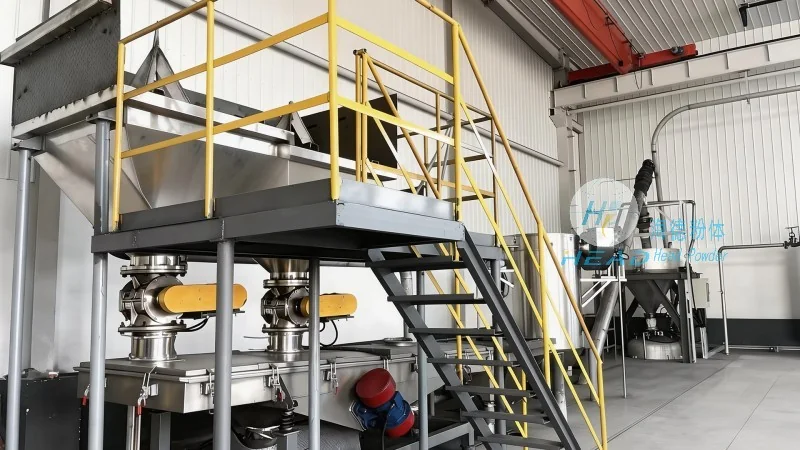
Company Profile: Shandong HeadPowder Engineering Co., Ltd.
HeadPowder, a prominent manufacturer specializing in material handling solutions, is dedicated to providing high-quality steel grit material conveying lines. With a strong focus on innovation and customer satisfaction, the company has built a reputation for delivering reliable and efficient equipment tailored to the needs of various industries. HeadPowder's operations are based in Shandong, China, where state-of-the-art facilities and rigorous quality control measures ensure that every product meets the highest industry standards. The company's commitment to excellence has made it a trusted partner for businesses seeking advanced material transport systems.
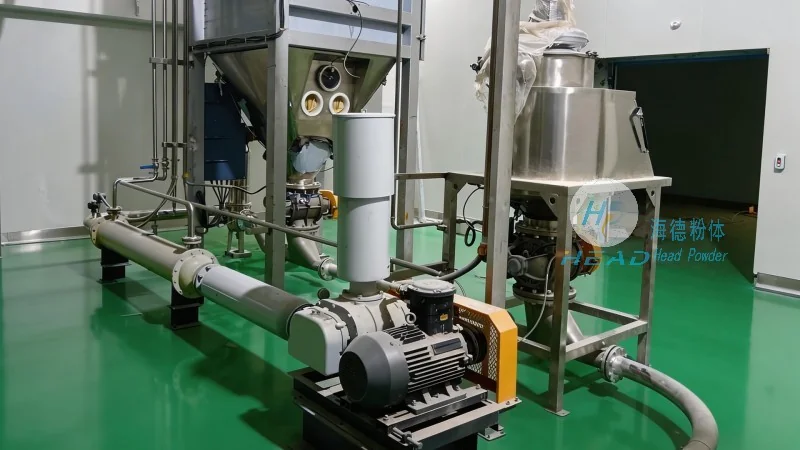
The Operation Process of Steel Grit Material Conveying Lines
The operation of a steel grit material conveying line typically involves a series of coordinated steps designed to ensure the smooth transport of the abrasive material. The process begins with the loading of steel grit into a feeding hopper, where the material is stored and prepared for transport. From the hopper, the steel grit is transferred to the conveyor system, which may include components like belt conveyors, screw conveyors, or pneumatic conveyors, depending on the specific application and material characteristics. The conveyor system then uses mechanical or pneumatic forces to move the steel grit from the loading point to the discharge point, maintaining a continuous flow of material. During operation, the system may incorporate features such as vibration or agitation to prevent material buildup and ensure uniform movement. The discharge point is where the steel grit is released, typically into a storage bin or directly into the next processing stage. Throughout the process, sensors and controls monitor key parameters like conveying rate, pressure, and temperature, ensuring that the system operates within optimal ranges. Regular maintenance and inspections are also conducted to prevent downtime and extend the equipment's lifespan.
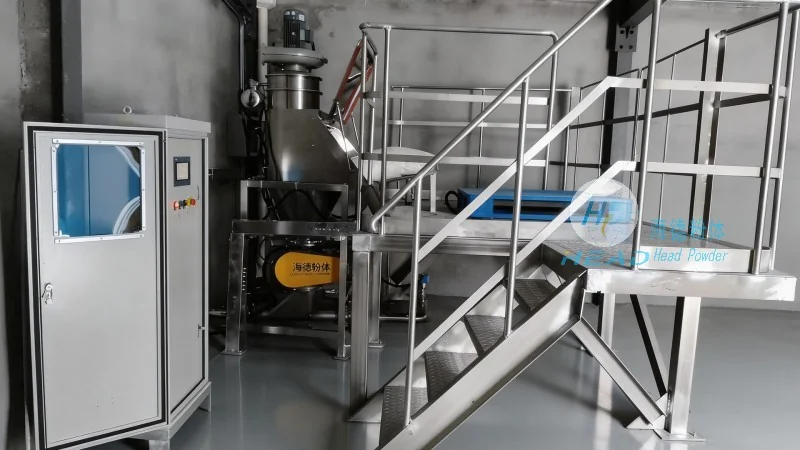
Working Principle of Steel Grit Material Conveying Lines
The working principle of steel grit material conveying lines is centered on the application of force to move the material along a designated path. In mechanical conveyors, this force is generated by a motor-driven system, such as a belt or screw, which pulls or pushes the steel grit. For instance, a belt conveyor uses a rotating drum and a tensioned belt to transport the material, while a screw conveyor employs a rotating screw to advance the steel grit forward. Pneumatic conveyors, in contrast, utilize compressed air to create a flow of material through a pipeline, leveraging pressure differences to move the steel grit. The choice of conveyor type depends on factors like the material's abrasiveness, the required conveying distance, and environmental conditions. Control mechanisms, such as variable speed drives or pressure regulators, regulate the flow rate, ensuring efficient and controlled transport. Safety features, including emergency stop buttons and overload protection, are integrated to prevent accidents and protect both the equipment and operators. The overall principle is to convert input energy (mechanical or pneumatic) into kinetic energy, enabling the movement of steel grit and achieving the desired material transport.