

Comparison of Advantages and Disadvantages of Negative Pressure and Positive Pressure Conveying in L
HeadPowder, a leading provider of pneumatic conveying solutions, specializes in the efficient handling of lithium cobalt oxide (LCO) through advanced conveying technologies. This article provides a detailed comparison of negative pressure and positive pressure conveying systems, highlighting their respective advantages and disadvantages for LCO material transport.
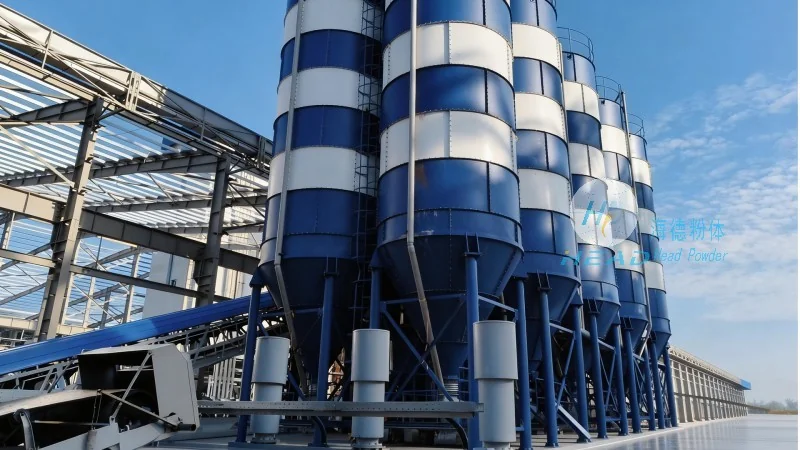
Pneumatic Conveying Fundamentals
Pneumatic conveying is a method used to transport bulk materials like lithium cobalt oxide using air or other gases. The system typically consists of a conveyor line, a material feed point, and a discharge point. The primary difference between negative pressure and positive pressure systems lies in the pressure differential within the conveying line.
Negative Pressure Conveying
Negative pressure conveying, also known as suction conveying, operates by creating a vacuum in the conveying line. This vacuum draws the material from the source into the system. The process begins with the material being fed into the suction hopper, where it is then entrained by the air flow and transported to the discharge point. The key advantage of negative pressure systems is their ability to handle materials in a closed environment, minimizing dust emissions and ensuring a clean transfer process. This is particularly beneficial for sensitive materials like LCO, which require strict contamination control.
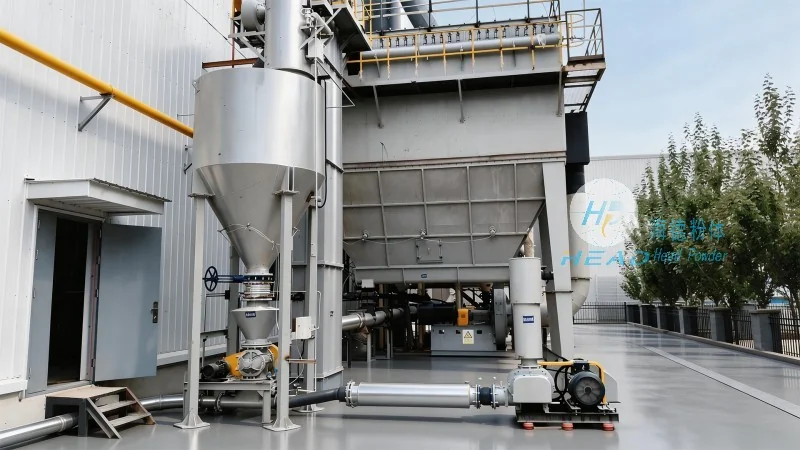
However, negative pressure conveying has several drawbacks. The primary limitation is the maximum conveying distance and material capacity. Due to the vacuum created, the system can only effectively transport materials over shorter distances and with lower bulk densities compared to positive pressure systems. Additionally, the air flow rate required to maintain the vacuum can be high, leading to increased energy consumption. Maintenance of the suction equipment, such as filters and vacuum pumps, also adds to operational costs.
Positive Pressure Conveying
Positive pressure conveying, or pressure conveying, works by blowing air or gas under pressure into the conveying line. The material is then pushed from the source to the discharge point. Unlike negative pressure systems, positive pressure systems can handle longer conveying distances and higher material loads. They are particularly suitable for transporting LCO over extended distances, such as from a storage silo to a processing facility. The main advantage of positive pressure systems is their higher conveying capacity and longer range capabilities.
Nevertheless, positive pressure conveying also presents challenges. The most significant drawback is the higher risk of dust emissions. Since the system operates under pressure, any leaks or improper sealing can lead to material spillage and environmental contamination. This poses a challenge for LCO, which is a valuable and potentially hazardous material. Furthermore, the higher pressure requirements increase energy consumption and may necessitate more robust equipment, such as high-pressure blowers and stronger pipelines.
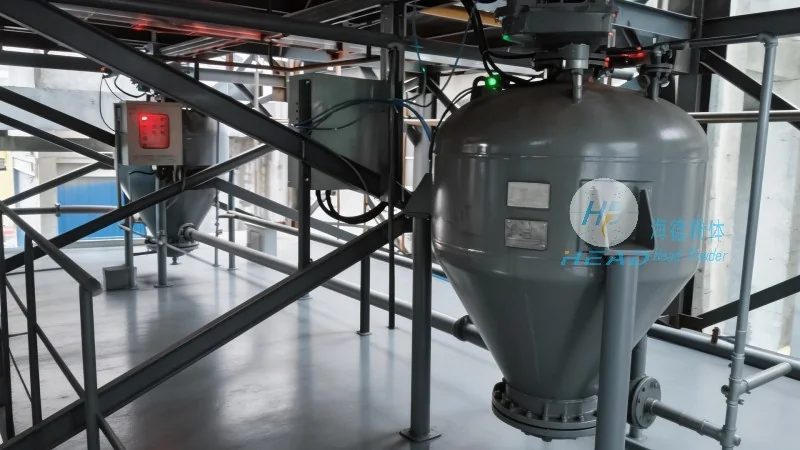
Comparison and Selection Criteria
When choosing between negative pressure and positive pressure conveying for lithium cobalt oxide, several factors must be considered. The primary decision point is the distance and volume of material to be transported. For short distances and low material volumes, negative pressure systems may be more cost-effective. For longer distances and higher capacities, positive pressure systems are generally preferred. Environmental regulations and dust control requirements also play a critical role. If strict dust emission limits are in place, negative pressure systems may be the better choice despite their limitations. Conversely, if the application involves long-distance transport with minimal environmental constraints, positive pressure systems offer greater efficiency.
Conclusion
Both negative pressure and positive pressure conveying systems have their place in the handling of lithium cobalt oxide. The choice between them depends on the specific operational requirements, including distance, material volume, and environmental considerations. HeadPowder, with its expertise in pneumatic conveying, can provide tailored solutions that optimize the performance and efficiency of LCO transport systems. By understanding the advantages and disadvantages of each approach, manufacturers can select the most suitable conveying method to meet their production needs while ensuring compliance with industry standards.