

[Drywall Compound Positive Pressure vs. Negative Pressure Pneumatic Conveying: A Comparative Analysi
Drywall compound, a critical material in construction and interior finishing, often requires efficient and reliable material handling solutions. Pneumatic conveying systems, which use air to transport bulk materials like drywall compound, are widely adopted in industrial settings. Among the various pneumatic conveying methods, positive pressure and negative pressure systems stand out as two primary approaches. This article provides a detailed comparison of these two methods, focusing on their operational principles, advantages, disadvantages, and practical applications in the context of drywall compound handling.
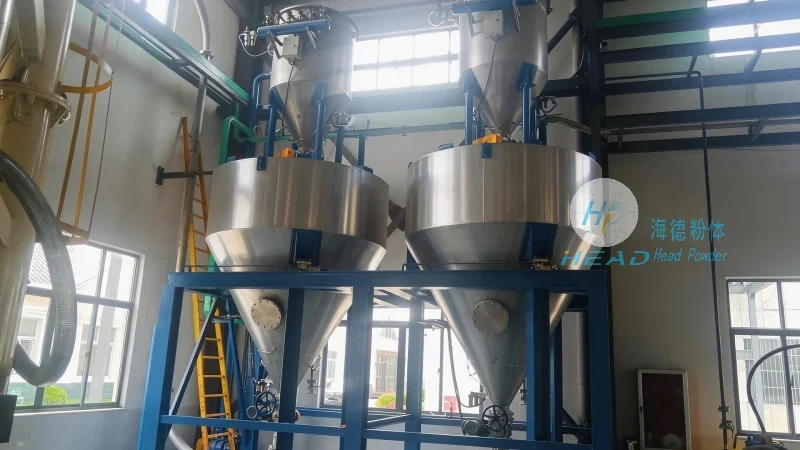
Understanding Pneumatic Conveying Systems
Pneumatic conveying systems are mechanical devices that transport bulk materials through a pipeline using compressed air or vacuum. These systems are essential for moving drywall compound from storage silos, mixing stations, or production lines to application points without the need for mechanical components like conveyor belts or buckets. The choice between positive pressure and negative pressure systems depends on factors such as material characteristics, system layout, and operational requirements.
Positive Pressure Pneumatic Conveying
Positive pressure conveying operates by blowing air or a carrier gas into the material stream, creating a pressure higher than the ambient air pressure. This method forces the drywall compound through the pipeline, ensuring a continuous and controlled flow. The system typically includes a blower or compressor at the inlet, a hopper or feeder to introduce the material, and a pipeline network that delivers the material to the destination. One of the key advantages of positive pressure systems is their ability to handle abrasive or sticky materials without causing excessive wear on the equipment. Additionally, they are well-suited for long-distance and high-capacity transport, as the pressure can be maintained consistently along the pipeline.
However, positive pressure systems may face challenges when dealing with fine powders that are prone to caking or agglomeration. The high air velocity required to maintain flow can sometimes lead to material degradation or increased dust emissions. Moreover, the system's energy consumption is higher compared to negative pressure systems due to the continuous operation of the blower. Maintenance costs are also a consideration, as the blower and associated components require regular inspection and replacement.
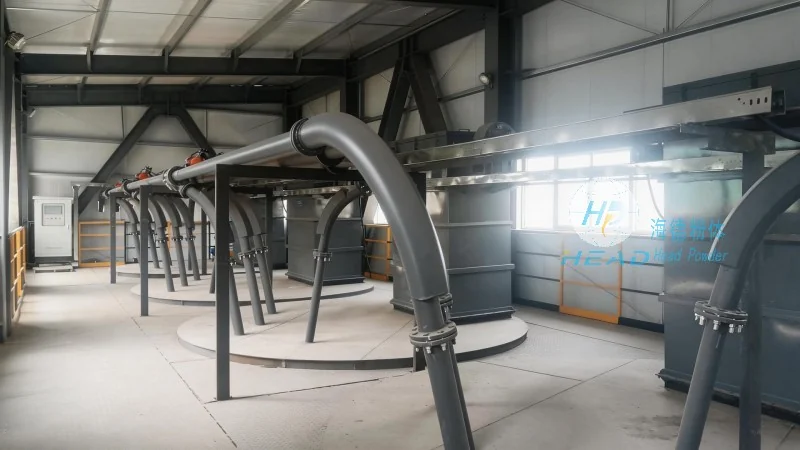
Negative Pressure Pneumatic Conveying
Negative pressure conveying, also known as vacuum conveying, works by creating a vacuum at the inlet of the system, drawing the drywall compound into the pipeline. The vacuum is generated by a vacuum pump, and the material is then transported through the pipeline to the destination. Unlike positive pressure systems, negative pressure systems do not use a blower at the material inlet but rather rely on the vacuum to pull the material. This approach is particularly effective for handling fine powders and granules that are susceptible to dust generation or clogging.
A major advantage of negative pressure systems is their lower energy consumption compared to positive pressure systems. The vacuum pump operates at a lower pressure, reducing the overall energy demand. Additionally, the system is less likely to cause material degradation due to lower air velocities. However, negative pressure systems have limitations in terms of transport distance and capacity. The vacuum pressure drops as the material travels through the pipeline, which can affect the flow rate, especially for long-distance applications. The system is also more susceptible to clogging if the material contains moisture or is prone to agglomeration.
Comparative Analysis: Positive vs. Negative Pressure
When comparing positive and negative pressure pneumatic conveying for drywall compound, several factors come into play. Positive pressure systems excel in scenarios requiring high capacity, long-distance transport, and handling of abrasive materials. They are ideal for applications where the material is stored in silos or hoppers and needs to be delivered to multiple points of use. On the other hand, negative pressure systems are better suited for applications involving fine powders, where dust control and lower energy consumption are priorities. They are commonly used in environments where the material is generated at the point of use and needs to be collected and transported back to a central location.
The choice between the two systems often depends on the specific operational requirements and the characteristics of the drywall compound. For instance, if the material is a coarse, non-sticky powder with high abrasiveness, a positive pressure system may be more appropriate. Conversely, if the material is a fine, moisture-sensitive powder that requires minimal dust generation, a negative pressure system might be preferred. Additionally, the system layout and available space can influence the decision, as positive pressure systems may require more space for the blower and inlet equipment.
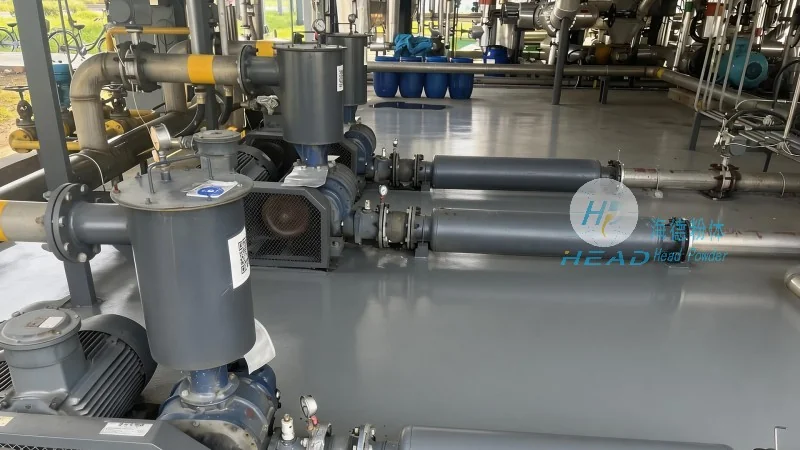
Applications in the Drywall Industry
In the drywall industry, both positive and negative pressure systems are utilized based on the specific needs of the application. Positive pressure systems are commonly used in large-scale production facilities where drywall compound is produced in bulk and needs to be transported to mixing stations or application areas. They are also used in situations where the material is stored in high-capacity silos and needs to be delivered to multiple workstations. Negative pressure systems, on the other hand, are often employed in smaller-scale operations or in environments where dust control is critical, such as in residential or light commercial settings.
Companies like Shandong HeadPowder Engineering Co., Ltd., commonly referred to as headpowder, specialize in designing and manufacturing pneumatic conveying systems tailored to the needs of the drywall industry. Their expertise lies in understanding the unique characteristics of drywall compound and selecting the most suitable conveying method for each application. By leveraging advanced technology and engineering solutions, headpowder ensures efficient and reliable material handling, minimizing downtime and maximizing productivity for their clients.
Conclusion
Both positive pressure and negative pressure pneumatic conveying systems offer viable solutions for handling drywall compound, each with its own set of advantages and limitations. The selection of the appropriate system depends on factors such as material properties, transport distance, energy efficiency, and operational requirements. By carefully evaluating these factors, industry professionals can choose the most effective pneumatic conveying method to enhance productivity and ensure the quality of the final product. As the drywall industry continues to evolve, the importance of efficient material handling cannot be overstated, and pneumatic conveying systems remain a cornerstone of modern production processes.