

Comparative Analysis of Positive Pressure and Negative Pressure Conveying for Aluminum Nitride: A Co
When it comes to handling aluminum nitride (AlN), a critical material in semiconductor and advanced materials industries, the choice of conveying method can significantly impact operational efficiency, material integrity, and overall process reliability. Pneumatic conveying offers a non-contact, efficient solution for transporting AlN powders and granules. Among the various pneumatic conveying techniques, positive pressure and negative pressure systems stand out as the two primary approaches. This analysis, provided by Shandong HeadPowder Engineering Co., Ltd. (headpowder), delves into the characteristics, advantages, and limitations of both methods, providing a comprehensive comparison to help industrial users select the most suitable option for their specific applications.
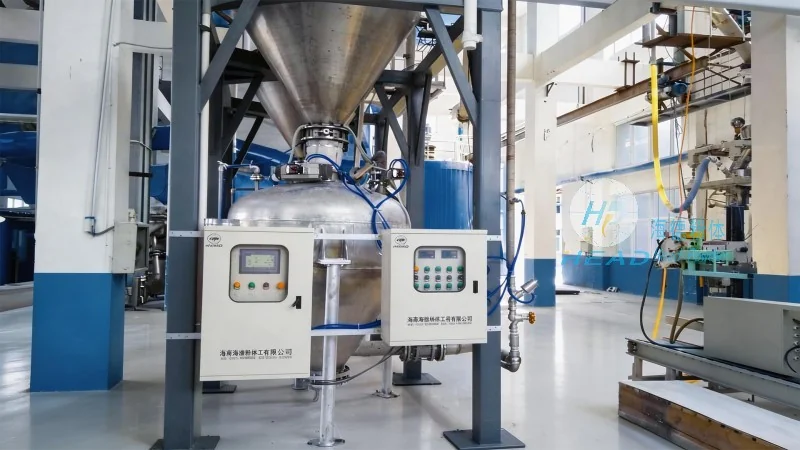
Understanding Positive Pressure Conveying for Aluminum Nitride
Positive pressure conveying, also known as pressure conveying, operates by generating a high-pressure air stream within the conveying line. This method pushes the material forward through the pipeline. For aluminum nitride, this approach is particularly effective when dealing with fine powders or when the material needs to be transported over long distances or through complex system layouts. The high-pressure air ensures that the material is fully suspended and moves consistently, minimizing the risk of clogging or material degradation. A key advantage of positive pressure systems is their ability to handle a wide range of particle sizes and moisture levels, making them versatile for various AlN applications. However, these systems typically require more robust equipment, such as high-capacity blowers or compressors, which can increase operational costs and maintenance requirements. Additionally, the high pressure can lead to higher energy consumption, which may be a concern for facilities focused on sustainability and cost optimization.
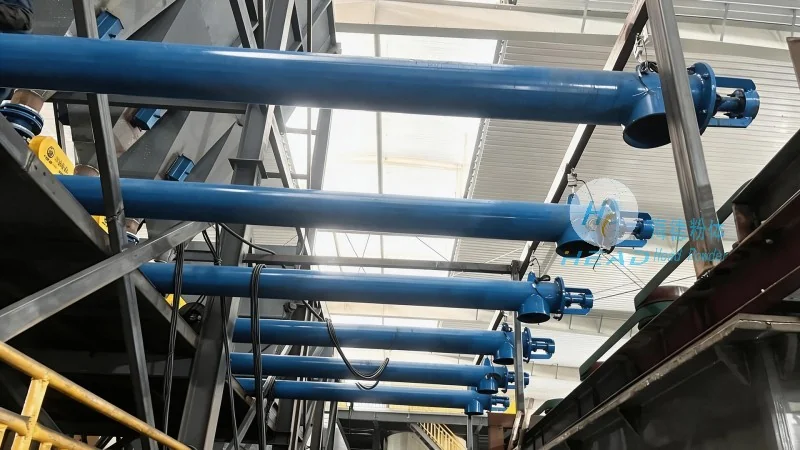
Key Features of Positive Pressure Conveying Systems
Positive pressure conveying systems for aluminum nitride are designed with several critical features to ensure optimal performance. These include high-pressure blowers capable of maintaining consistent air flow rates, which is essential for maintaining material suspension. The system also incorporates specialized piping and fittings to minimize pressure losses and prevent material buildup. Additionally, positive pressure systems often include filtration and dust collection units to ensure compliance with environmental regulations and to protect downstream equipment from particulate contamination. The design of these systems allows for flexible integration into existing production lines, enabling seamless material transfer from storage silos to processing equipment. The robust construction of the components, such as reinforced pipelines and durable valves, ensures long-term reliability and reduces the need for frequent maintenance.
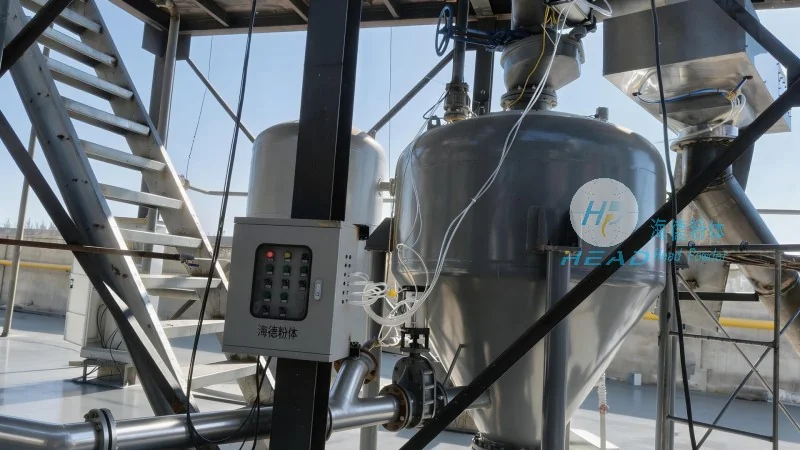
Exploring Negative Pressure Conveying for Aluminum Nitride
Negative pressure conveying, or vacuum conveying, works by creating a low-pressure environment at the material inlet and a higher pressure at the discharge point. This pressure differential draws the material into the conveying line, where it is then transported to the destination. This method is particularly suitable for applications where the material needs to be collected from multiple sources or where the system layout involves multiple pick-up points. Negative pressure systems are often preferred when dealing with larger particle sizes or when the material is sensitive to high pressure, as the lower air velocities reduce the risk of particle breakage or attrition. Another advantage of vacuum conveying is its lower energy consumption compared to positive pressure systems, as it typically requires less powerful equipment to achieve the necessary pressure differential. However, these systems may have limitations in terms of conveying distance and material throughput, as the lower air velocities can lead to higher pressure losses over longer pipelines. Additionally, the vacuum environment can make it more challenging to handle materials with high moisture content or those that are prone to clogging, as the reduced air flow may not be sufficient to maintain material suspension.
Key Features of Negative Pressure Conveying Systems
Negative pressure conveying systems for aluminum nitride are engineered with features tailored to the demands of vacuum operation. These systems typically include high-efficiency vacuum pumps that can maintain consistent low pressures, ensuring reliable material suction. The system design incorporates specialized inlet hoppers and suction nozzles to effectively draw material from various sources, including bulk storage containers or production lines. The piping and fittings are often constructed with materials resistant to corrosion and wear, as aluminum nitride can be abrasive under certain conditions. Additionally, negative pressure systems often include advanced filtration and dust control mechanisms to prevent particulate escape and protect the environment. The flexibility of these systems allows for easy expansion or modification to accommodate changing production needs, making them a viable option for evolving industrial applications. The use of low-pressure components also contributes to lower maintenance costs and reduced energy consumption, aligning with modern sustainability goals.
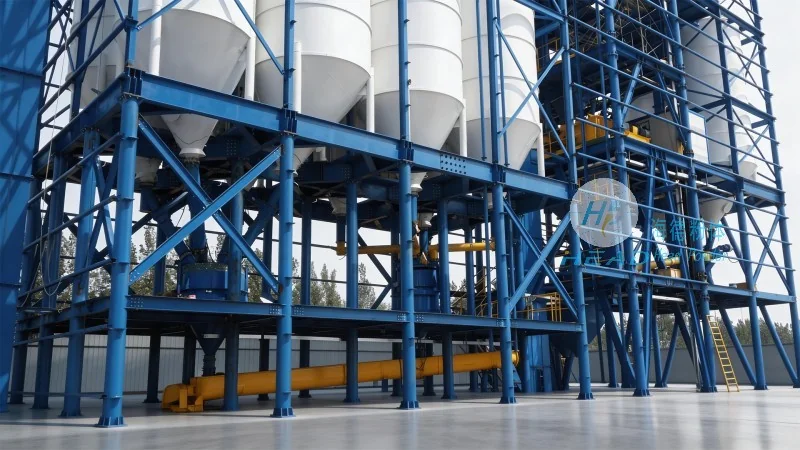
Comparative Analysis: Positive vs. Negative Pressure Conveying
When comparing positive and negative pressure conveying for aluminum nitride, several factors must be considered to determine the most suitable method. The primary consideration is the material characteristics, such as particle size, moisture content, and flowability. Fine AlN powders are better suited for positive pressure systems due to their high suspension requirements, while larger granules or bulk materials may benefit from negative pressure. The distance and layout of the conveying system also play a crucial role; longer distances or complex layouts often favor positive pressure due to its higher air velocities and lower pressure losses. Energy consumption and operational costs are another critical factor, with negative pressure systems generally offering lower energy use but potentially higher maintenance costs due to the need for more frequent filter changes. Environmental and safety considerations are also important, as both systems must comply with regulations regarding dust emissions and material containment. Positive pressure systems may require more robust filtration to prevent particulate release, while negative pressure systems need to ensure that the vacuum environment does not pose a risk of material inhalation or explosion. Ultimately, the choice between positive and negative pressure conveying depends on the specific application requirements, including material properties, system layout, and cost constraints. A thorough evaluation of these factors will help industrial users select the optimal pneumatic conveying method for their aluminum nitride handling needs.