

Positive Pressure and Negative Pressure Conveying of Copper Sulfate: A Comparative Analysis of Two P
Copper sulfate is a widely used chemical in various industries, including agriculture, water treatment, and industrial processes. The efficient and safe transportation of this material is crucial for maintaining production efficiency and operational safety. Pneumatic conveying systems offer a reliable solution for moving copper sulfate, with two primary methods: positive pressure and negative pressure conveying. This article provides a detailed comparison of these two approaches, highlighting their characteristics, advantages, and practical applications.
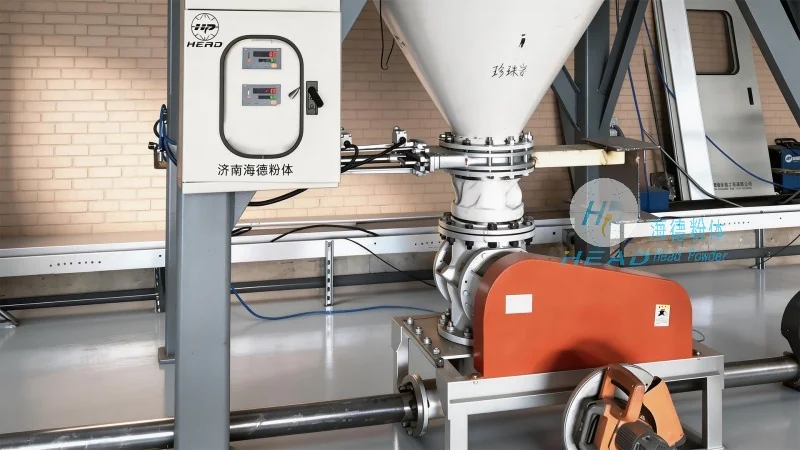
Understanding Pneumatic Conveying Systems
Pneumatic conveying uses air or gas to transport bulk materials through a pipeline. The system can operate under positive pressure (where the conveying air pressure is higher than the ambient air pressure) or negative pressure (where the conveying air pressure is lower than the ambient air pressure). The choice between these two methods depends on factors such as material properties, distance, volume, and the need for containment and dust control.
Positive Pressure Conveying of Copper Sulfate
Positive pressure conveying, also known as pressure pneumatic conveying, involves blowing air or gas into the conveying line at a pressure higher than the surrounding atmosphere. This method is particularly effective for transporting copper sulfate over longer distances or through complex pipeline networks. The high pressure ensures that the material is continuously moved forward, reducing the risk of blockages and ensuring consistent flow rates. One of the key advantages of positive pressure systems is their ability to handle abrasive materials like copper sulfate without causing excessive wear on the equipment. Additionally, positive pressure conveying can be integrated with other processes, such as drying or mixing, as the material is transported under controlled conditions.
The system typically includes a blower, a material feeder, and a receiver. The blower generates the necessary pressure to move the material, while the feeder ensures a steady supply of copper sulfate into the pipeline. The receiver collects the material at the destination, often equipped with dust collection systems to minimize environmental impact. For copper sulfate, which can be a fine powder or granules, positive pressure conveying can maintain the material's integrity, preventing agglomeration or degradation during transport.
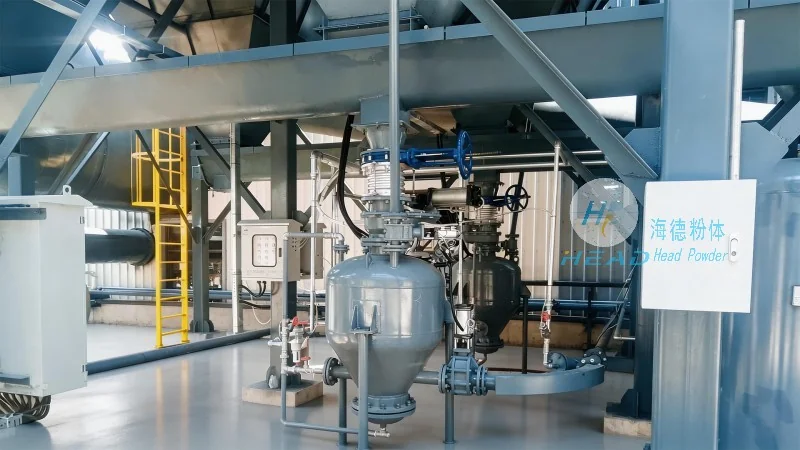
Negative Pressure Conveying of Copper Sulfate
Negative pressure conveying, or vacuum pneumatic conveying, operates by creating a vacuum in the conveying line, causing ambient air to draw the material into the pipeline. This method is often preferred for shorter distances or when the material needs to be transported from a higher elevation to a lower one. The vacuum system is generally more energy-efficient for short distances, as it requires less power to maintain the vacuum compared to generating high pressure. However, negative pressure conveying may be less effective for handling abrasive or fine materials, as the lower pressure can lead to increased friction and potential blockages.
The negative pressure system consists of a vacuum pump, a material hopper, and a receiver. The vacuum pump creates the necessary suction to draw the material into the pipeline. The hopper feeds the copper sulfate into the system, and the receiver collects the material at the end of the line. Unlike positive pressure systems, negative pressure conveying may require additional equipment, such as filters or cyclones, to remove dust from the air before it is released back into the environment. This is essential for copper sulfate, which can be a respiratory hazard if not properly contained.
Comparative Analysis: Key Differences and Considerations
When deciding between positive and negative pressure conveying for copper sulfate, several factors must be considered. The distance and layout of the conveying system are critical. Positive pressure is more suitable for longer distances or complex networks, while negative pressure is better for shorter runs or when the material is to be moved from a higher to a lower level. Material properties also play a role; copper sulfate's fineness and abrasiveness make positive pressure a more robust choice for maintaining material quality. Energy consumption is another factor, with negative pressure being more efficient for short distances, but positive pressure systems may offer better long-term cost savings due to lower maintenance and higher reliability.
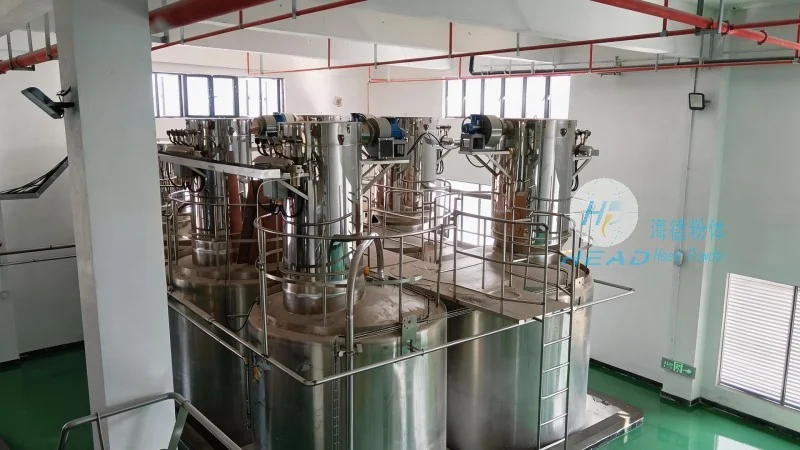
Environmental considerations are also important. Positive pressure systems can be equipped with sealed receivers to prevent dust emissions, while negative pressure systems require effective filtration to comply with air quality regulations. The choice of system also impacts operational safety. Positive pressure conveying reduces the risk of dust explosions by maintaining a positive pressure environment, whereas negative pressure systems may need additional safety measures to prevent dust inhalation by personnel.
Application Examples and Practical Insights
Positive pressure conveying is commonly used in large-scale copper sulfate production facilities where the material needs to be transported from storage silos to processing units over several hundred meters. The high pressure ensures that the material flows consistently, even when dealing with varying feed rates. In contrast, negative pressure conveying is often employed in smaller-scale operations, such as laboratories or small-scale production plants, where the distance is short and the material volume is low. For example, a negative pressure system might be used to transport copper sulfate from a hopper to a mixing tank in a water treatment plant, where the distance is less than 50 meters.
Both systems have proven effective in different scenarios, but the choice ultimately depends on the specific requirements of the application. Positive pressure conveying offers greater flexibility and reliability for long-distance or high-volume transport, while negative pressure conveying provides a cost-effective solution for shorter distances and lower material volumes. By understanding the characteristics of each method, industries can select the most appropriate pneumatic conveying system for their copper sulfate handling needs, ensuring efficient, safe, and environmentally responsible operations.