

What is a Gypsum Pneumatic Conveyor? Understanding Its Design Principles
For those in the industrial sector dealing with gypsum processing, the term "gypsum pneumatic conveyor" might be familiar, yet understanding its core functions and design principles is crucial for optimizing material handling operations. This article delves into the specifics of gypsum pneumatic conveyors, exploring how they operate and the engineering behind their design, all while highlighting the expertise of Shandong HeadPowder Engineering Co., Ltd., a leading manufacturer in the field.
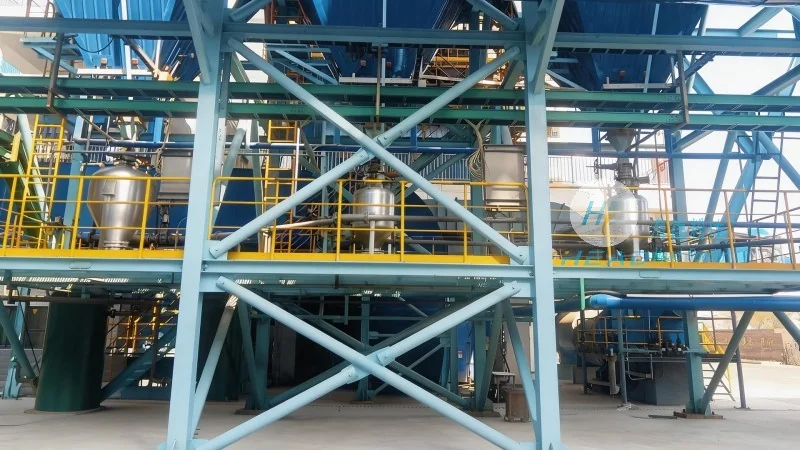
Introduction to Gypsum Pneumatic Conveyors
Gypsum, a widely used mineral in construction and industrial applications, requires efficient and reliable transportation methods to move from processing sites to end-use applications. A gypsum pneumatic conveyor is a system designed to transport gypsum powder or granules through a pipeline using air pressure or suction. This technology offers a dust-free, low-maintenance solution compared to traditional mechanical conveyors, making it ideal for environments where hygiene and product purity are paramount.
Key Components and Design Principles
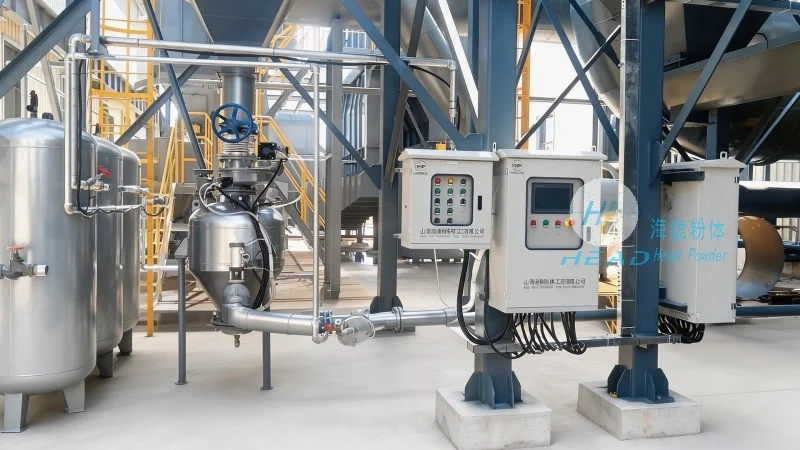
The design of a gypsum pneumatic conveyor is built around several critical components that work in tandem to ensure effective material transport. The primary elements include the hopper for material storage, the air mover (either a blower or vacuum pump), the pipeline system, and the discharge outlet. Each component is engineered to handle the unique properties of gypsum, such as its fine particle size and potential for static charge buildup.
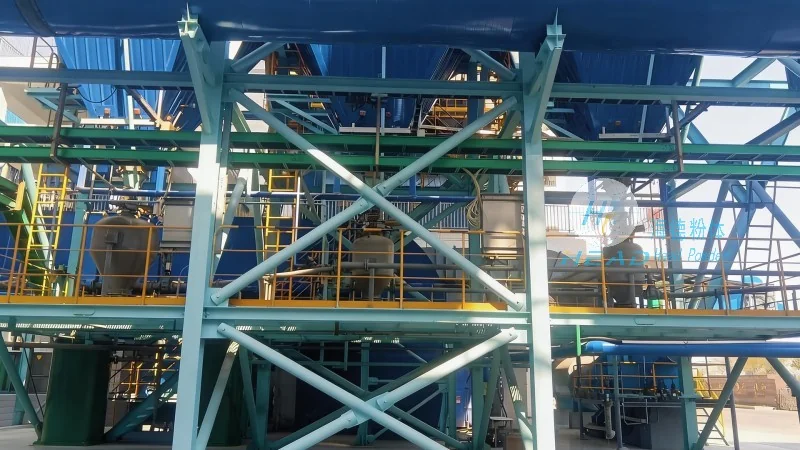
One of the fundamental design principles is the balance between air velocity and material flow. The air mover generates sufficient pressure or vacuum to pull or push the gypsum particles through the pipeline. The velocity must be high enough to prevent material settling but low enough to avoid excessive wear on the system components. This balance is achieved through precise engineering calculations based on the material's bulk density, particle size distribution, and the desired conveying distance.
The Role of Material Handling in Gypsum Processing
In gypsum processing facilities, the pneumatic conveyor plays a vital role in integrating various stages of production, from raw material storage to final product packaging. By eliminating the need for manual handling or mechanical belts, the system reduces labor costs and minimizes the risk of contamination. The design also considers factors like temperature control, as gypsum can be sensitive to moisture and temperature fluctuations, which could affect its quality.
Advantages of Gypsum Pneumatic Conveyors
Compared to traditional conveyor systems, gypsum pneumatic conveyors offer several advantages that make them a preferred choice for many industries. These include reduced maintenance requirements due to fewer moving parts, lower energy consumption, and the ability to transport materials over long distances without the need for intermediate transfer points. Additionally, the enclosed pipeline design prevents dust emissions, enhancing workplace safety and compliance with environmental regulations.
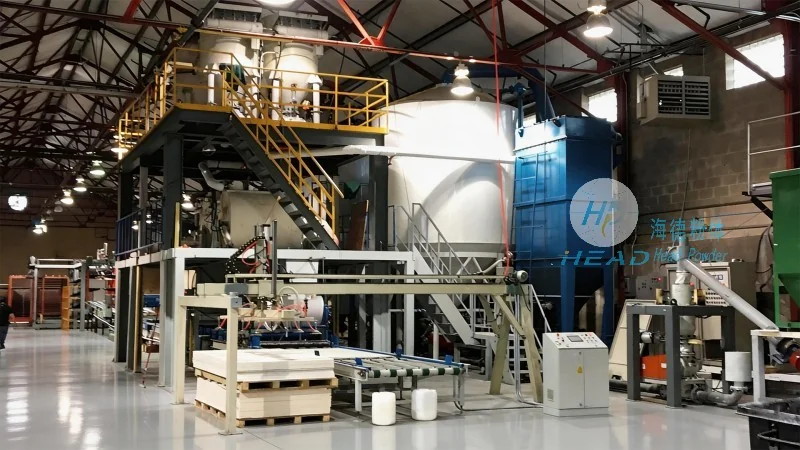
Engineering Expertise of Shandong HeadPowder Engineering Co., Ltd.
Shandong HeadPowder Engineering Co., Ltd., operating under the brand name headpowder, specializes in the design and manufacturing of advanced material handling equipment, including gypsum pneumatic conveyors. With facilities located in Shandong, China, the company leverages years of experience in the industry to develop customized solutions tailored to the specific needs of clients. Their team of engineers employs cutting-edge technology and rigorous testing protocols to ensure that each conveyor system meets the highest standards of performance and durability.
Conclusion: Choosing the Right Gypsum Pneumatic Conveyor
When selecting a gypsum pneumatic conveyor, it is essential to consider factors such as the scale of operation, the type of gypsum being handled, and the distance over which it needs to be transported. By understanding the design principles and advantages of these systems, businesses can make informed decisions that enhance efficiency and reduce operational costs. With the expertise of companies like Shandong HeadPowder Engineering Co., Ltd., the implementation of reliable and effective gypsum pneumatic conveyors is within reach, ensuring smooth and sustainable material handling in the gypsum industry.