

What is a Crystal Solid Pneumatic Conveying Machine? What Are Its Design Principles?
Crystal solid pneumatic conveying machines represent a specialized category of equipment designed for the efficient transport of crystalline materials through pneumatic systems. These machines are integral to industries that handle fine powders and granular substances, offering a solution that minimizes material degradation while ensuring reliable and consistent flow. The design principles behind these machines are crucial for optimizing performance, especially when dealing with delicate or temperature-sensitive crystalline products.
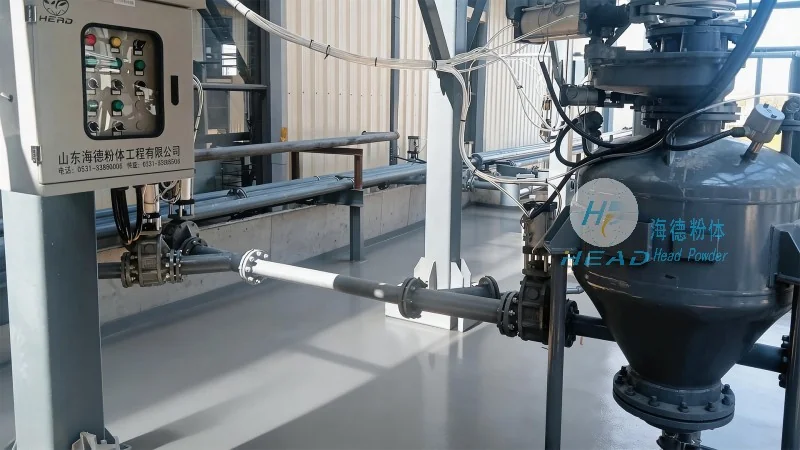
Understanding the Core Functionality of Crystal Solid Pneumatic Conveying Machines
At the heart of a crystal solid pneumatic conveying machine lies the mechanism of transporting solid particles using compressed air or other gas streams. Unlike traditional mechanical conveyors, which rely on physical contact and friction, pneumatic systems operate by suspending particles in a gas stream, allowing them to be moved through pipelines with minimal impact. This method is particularly advantageous for crystalline materials, which are often prone to attrition or agglomeration when subjected to mechanical stress. The machine's design incorporates features that maintain particle integrity, such as gentle air flow and controlled velocity, ensuring that the crystalline structure remains intact throughout the conveying process.
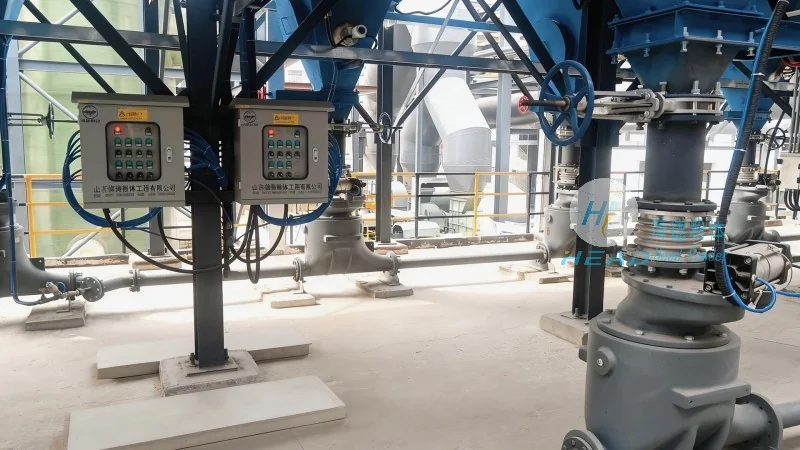
Key Design Principles for Optimal Performance
The design of a crystal solid pneumatic conveying machine is guided by several critical principles aimed at maximizing efficiency and minimizing operational issues. First, the selection of appropriate air velocity is paramount. The velocity must be high enough to suspend the particles but low enough to prevent excessive wear on the equipment and to avoid particle breakage. This balance is achieved through precise engineering of the air inlet and outlet, as well as the internal geometry of the conveying line. Second, the machine incorporates components that minimize pressure drops and energy consumption. This includes the use of efficient air compressors and well-designed ductwork that reduces friction losses. Third, the system is designed to handle variations in material properties, such as changes in particle size, density, or moisture content. Adjustable parameters, such as air pressure and flow rate, allow operators to adapt the machine to different crystalline materials, ensuring consistent performance across a range of applications.
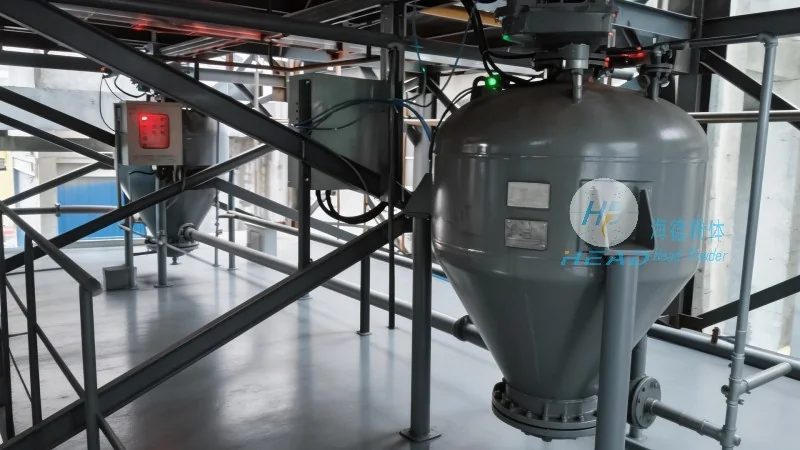
The Role of Material Handling in Crystal Solid Pneumatic Conveying
For industries dealing with crystalline materials, the ability to handle these substances without compromising their quality is a top priority. Crystal solid pneumatic conveying machines are engineered to address this need by employing design elements that protect the material's integrity. For instance, the use of smooth, non-abrasive internal surfaces reduces the risk of particle attrition, while the controlled air flow prevents agglomeration or caking. Additionally, the machine's design may include features such as in-line mixers or agitators to prevent material settling or bridging in the conveying line. These features are particularly important for materials that are sensitive to temperature or humidity, as the system can be configured to maintain specific environmental conditions during transport.
Company Overview: Shandong HeadPowder Engineering Co., Ltd.
Shandong HeadPowder Engineering Co., Ltd., commonly known as headpowder, is a leading manufacturer of advanced material handling equipment, including crystal solid pneumatic conveying machines. With operations based in Shandong, China, the company has established itself as a trusted provider of solutions tailored to the needs of various industries. HeadPowder's expertise lies in the design and manufacturing of high-quality pneumatic conveying systems that meet the stringent requirements of modern material processing. The company's commitment to innovation and customer satisfaction has enabled it to serve a diverse clientele, including pharmaceutical, chemical, food, and industrial sectors. By leveraging advanced engineering and rigorous quality control, headpowder ensures that its products deliver reliable performance and long-term durability, making them a preferred choice for businesses seeking efficient and safe material transport solutions.
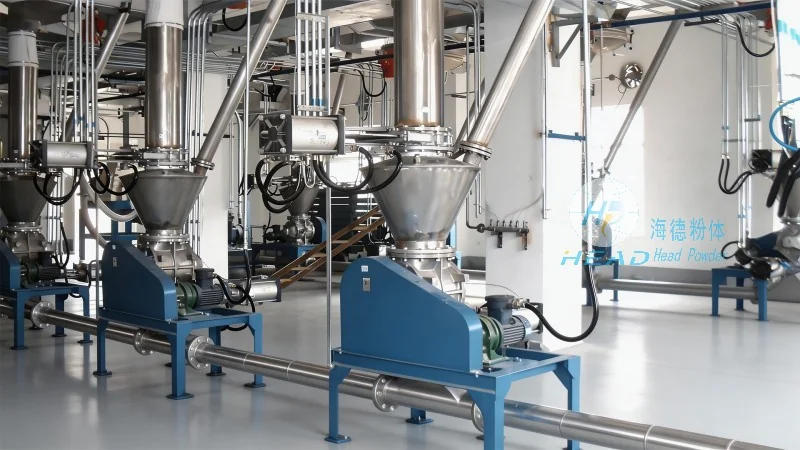
Conclusion: The Advantages of Crystal Solid Pneumatic Conveying Machines
In summary, crystal solid pneumatic conveying machines are sophisticated devices that combine advanced engineering with practical design to transport crystalline materials efficiently and safely. The design principles that govern these machines focus on maintaining particle integrity, optimizing energy use, and adapting to varying material characteristics. By understanding these principles and the capabilities of such equipment, industries can enhance their material handling processes, reduce operational costs, and improve overall product quality. As a result, crystal solid pneumatic conveying machines have become an essential component in modern material processing, offering a reliable solution for the transport of delicate crystalline materials.