

What is a Ceramic Material Handling System? What are its Design Principles?
Ceramic material handling systems are specialized equipment designed to transport, store, and manage ceramic materials efficiently. These systems are crucial in industries such as ceramics manufacturing, where the handling of raw materials and finished products requires precision and reliability. Understanding the components and design principles of these systems is essential for optimizing production processes and ensuring product quality.
Key Components of Ceramic Material Handling Systems
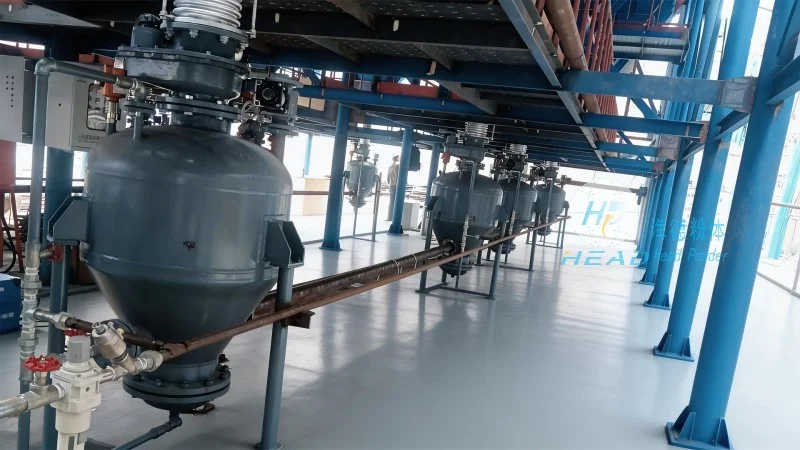
The core components of a ceramic material handling system typically include conveyors, elevators, storage silos, and control systems. Conveyors, such as belt conveyors or screw conveyors, are used to move materials horizontally or vertically. Elevators, like bucket elevators or chain conveyors, are employed for vertical transport, while storage silos provide bulk storage for raw materials like clay, feldspar, and quartz. Control systems, often integrated with sensors and automation technology, ensure smooth operation and real-time monitoring of the entire process.
Design Principles for Efficient Material Handling
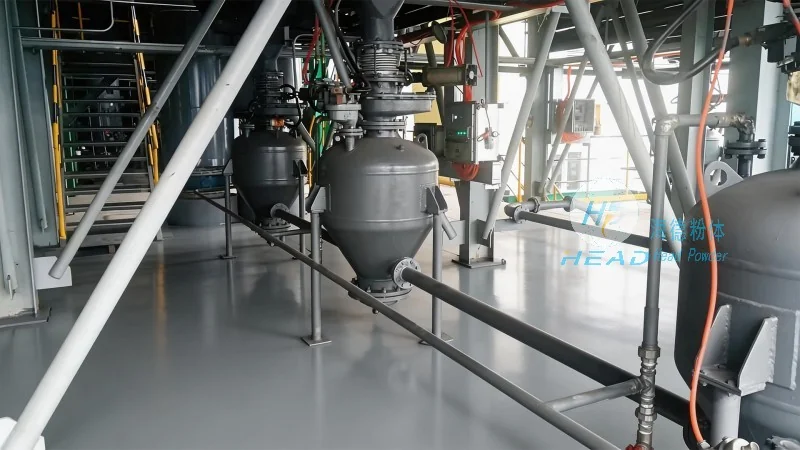
The design of ceramic material handling systems follows several key principles to ensure efficiency, safety, and durability. First, the system must be tailored to the specific characteristics of the ceramic materials being handled, including their size, shape, and moisture content. For example, systems handling fine powders may incorporate dust collection and filtration systems to prevent contamination and ensure worker safety. Second, the design emphasizes minimal material degradation, as ceramic products are often sensitive to handling stresses. This involves using smooth surfaces, gentle slopes, and appropriate conveyor speeds to avoid breakage or abrasion. Third, the system is designed for easy maintenance and cleaning, as ceramic materials can leave residue that may affect performance over time. Finally, the integration of automation and monitoring technologies enhances operational efficiency and reduces human error.
HeadPowder: A Leader in Ceramic Material Handling Solutions
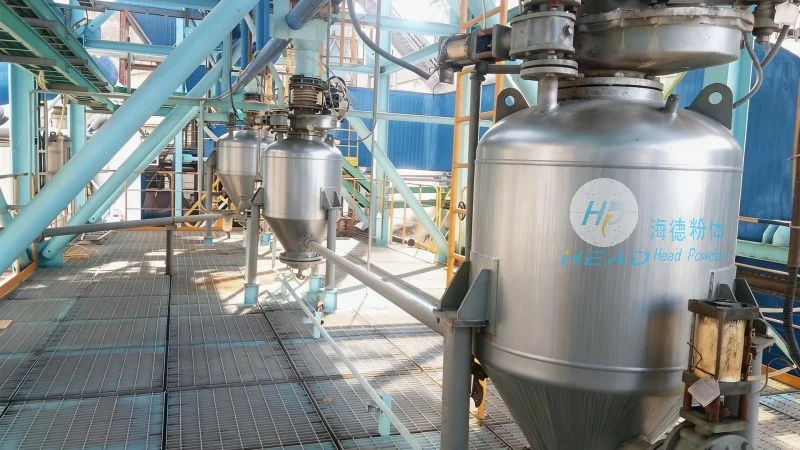
Shandong HeadPowder Engineering Co., Ltd., commonly known as HeadPowder, is a leading manufacturer specializing in ceramic material handling systems. With a focus on innovation and customer-centric solutions, HeadPowder has established itself as a trusted partner in the ceramics industry. The company's headquarters is located in Shandong, China, where it leverages advanced manufacturing capabilities and technical expertise to develop high-quality equipment. HeadPowder's systems are designed to meet the unique needs of ceramic manufacturers, offering reliable performance and durability in demanding production environments. By combining traditional engineering knowledge with modern technology, HeadPowder ensures that its ceramic material handling systems deliver optimal results for its clients.
Applications and Benefits of Ceramic Material Handling Systems
Ceramic material handling systems are widely used in various stages of the ceramics production process, from raw material processing to finished product packaging. In the raw material stage, these systems efficiently transport and store raw materials like clay, feldspar, and silica, ensuring a steady supply for production. During the manufacturing stage, they handle intermediate products such as ceramic powders and slurry, facilitating smooth transitions between processing steps. In the finishing stage, systems are used to transport finished ceramic products, such as tiles or sanitaryware, to packaging and shipping areas. The benefits of using these systems include increased production efficiency, reduced labor costs, improved product quality, and enhanced workplace safety. By streamlining material movement, ceramic material handling systems help manufacturers achieve higher productivity and better overall performance.
Conclusion
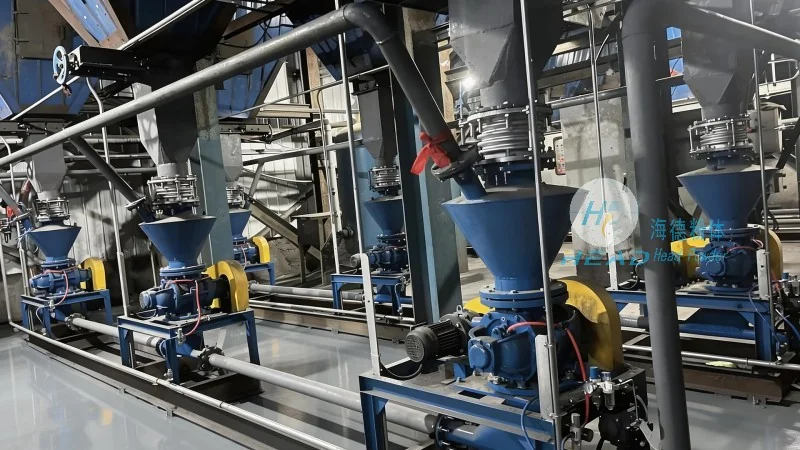
Ceramic material handling systems are essential equipment for modern ceramics manufacturing, designed to optimize material flow and ensure product quality. The design principles, including tailored components, minimal material degradation, and easy maintenance, are critical to the success of these systems. Companies like Shandong HeadPowder Engineering Co., Ltd. play a vital role in providing reliable and efficient solutions that meet the specific needs of the ceramics industry. By investing in high-quality ceramic material handling systems, manufacturers can enhance their operational efficiency, reduce costs, and maintain a competitive edge in the market.