

Operation Process and Working Principle of Soybean Meal Material Conveying Line
For industrial applications involving soybean meal handling, efficient material conveying systems are crucial for maintaining operational efficiency and product quality. The soybean meal material conveying line, as designed by Shandong HeadPowder Engineering Co., Ltd., integrates advanced engineering solutions to ensure seamless material transport from processing stages to storage or further processing units. This system is engineered to handle the unique characteristics of soybean meal, such as its granular or powdery texture, and the need for gentle handling to preserve nutritional integrity.
Key Components of the Conveying Line
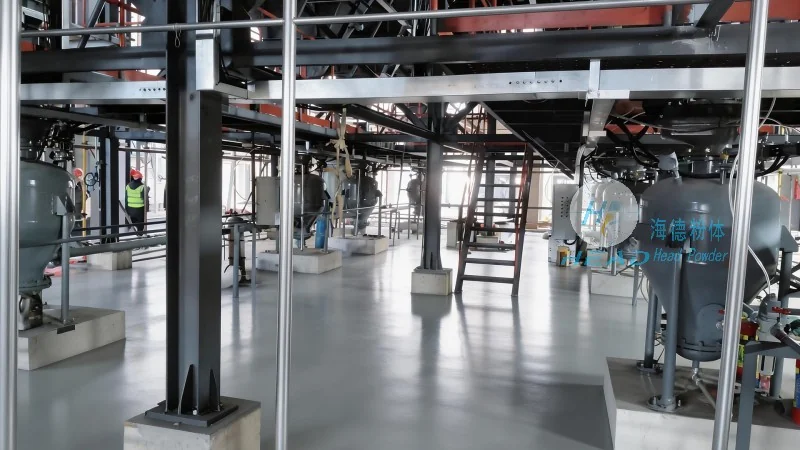
The soybean meal material conveying line consists of several core components that work in tandem to achieve reliable and consistent material transport. These components include feed hoppers, which are designed to accommodate bulk material input, and conveyor belts or screw conveyors that provide the primary transport mechanism. The feed hoppers are typically equipped with level sensors to monitor material levels and trigger feeding processes as needed. The conveyor system may incorporate variable speed drives to adjust the flow rate based on operational requirements, ensuring optimal performance under varying load conditions.
Operation Process of the Conveying Line
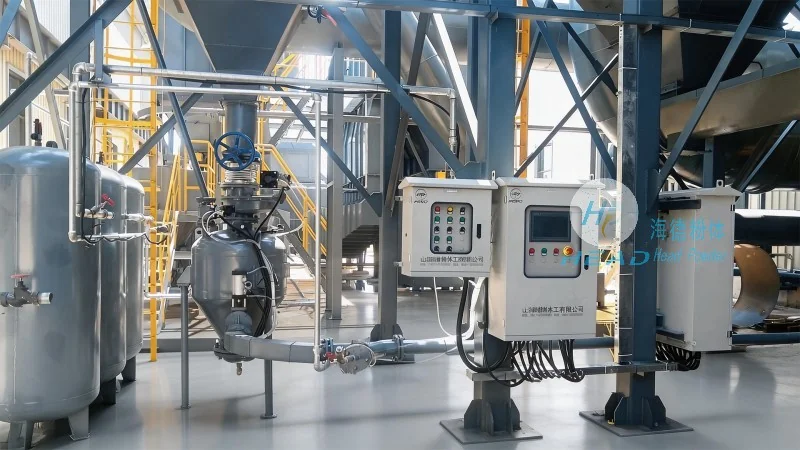
The operation of the soybean meal material conveying line begins with material loading into the feed hopper. The hopper's design ensures uniform material distribution, preventing blockages or uneven flow. Once the material reaches a predetermined level, the feeder mechanism activates, releasing the material into the conveyor. The conveyor then transports the soybean meal through the system, possibly passing through intermediate storage or processing stages. The system may include check valves or flow control devices to regulate the material flow and prevent backflow, which is critical for maintaining system integrity and preventing product contamination.
Working Principle of the Conveying Line
The working principle of the soybean meal material conveying line is based on mechanical energy transfer to move the material through the system. For screw conveyors, a rotating screw mechanism pushes the material forward, utilizing the friction between the screw and the material to achieve transport. The speed of the screw and the pitch of the helix are carefully selected to match the material's properties, ensuring efficient and gentle handling. Belt conveyors, on the other hand, use a continuous belt that moves over rollers, with the material placed on the belt and carried to the discharge point. The system may also incorporate dust collection and filtration components to maintain air quality and prevent material loss during transport.
Benefits of the Conveying Line
Implementing a soybean meal material conveying line from Shandong HeadPowder Engineering Co., Ltd. offers several advantages for industrial operations. The system enhances productivity by reducing manual handling and increasing material throughput, which is essential for meeting production demands. The gentle handling of the material preserves its nutritional value and quality, which is critical for applications such as animal feed or food processing. Additionally, the system's modular design allows for easy integration with existing processing lines and scalability to accommodate future production growth. The use of durable materials and robust construction ensures long-term reliability and minimal maintenance requirements, reducing operational costs over time.
Application Scenarios
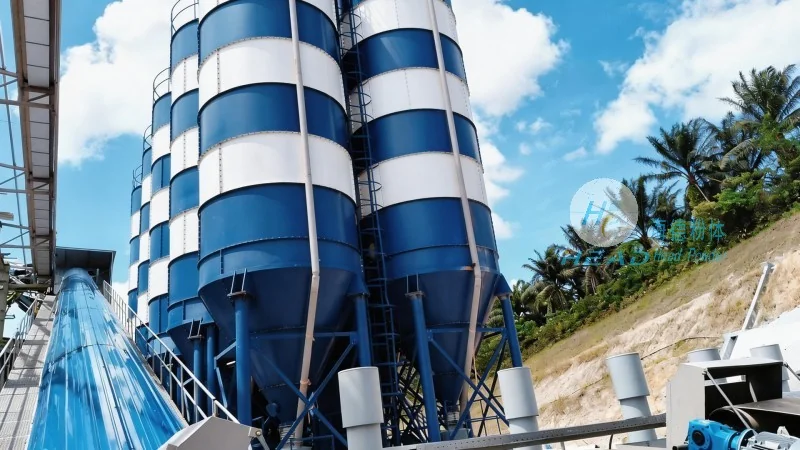
The soybean meal material conveying line is widely used in various industrial sectors, including animal feed manufacturing, food processing, and biofuel production. In animal feed plants, the system efficiently transports soybean meal from storage silos to mixing and extrusion units, ensuring consistent feed formulation. In food processing facilities, the conveying line is used to move soybean meal for use in protein supplements or other food products, maintaining product quality and safety standards. The system's adaptability allows it to be customized for specific application requirements, such as varying material flow rates or different discharge configurations, making it suitable for diverse industrial needs.
Conclusion
Shandong HeadPowder Engineering Co., Ltd. provides advanced soybean meal material conveying lines that combine efficient operation with reliable performance. The system's design, incorporating key components and a well-defined operation process, ensures optimal material transport while preserving product quality. With its robust construction and modular design, the conveying line is a valuable asset for industrial operations, enhancing productivity and reducing operational costs. By leveraging the expertise of HeadPowder, industries can achieve efficient soybean meal handling solutions tailored to their specific needs.