

Operation Process and Working Principle of Ferric Sulfate Material Conveying Line
For industrial applications that require the efficient and reliable transportation of ferric sulfate, specialized material conveying lines are essential. These systems are designed to handle the unique properties of ferric sulfate, ensuring safe and efficient material handling from storage to processing or disposal. The following overview details the operation process and working principles of such lines, highlighting the engineering solutions provided by Shandong HeadPowder Engineering Co., Ltd., a leading manufacturer in the field.
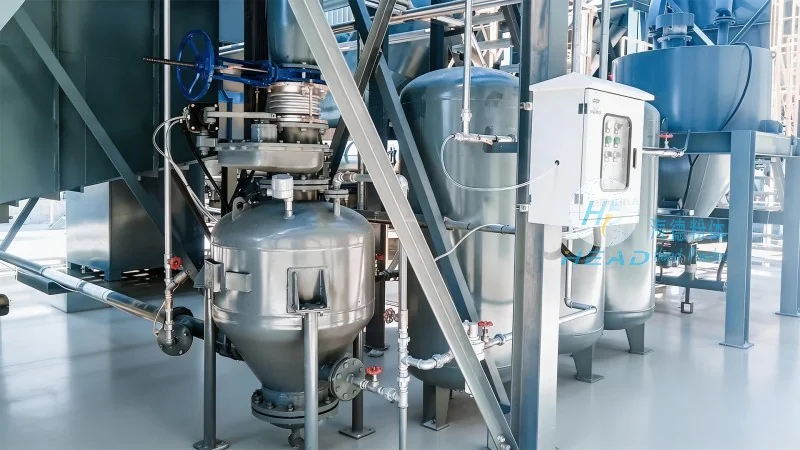
About Shandong HeadPowder Engineering Co., Ltd.
HeadPowder, the professional brand under Shandong HeadPowder Engineering Co., Ltd., specializes in the design, manufacturing, and installation of industrial material handling equipment. With a strong commitment to quality and innovation, HeadPowder has established itself as a trusted partner for businesses in various industries, including chemical processing, water treatment, and environmental management. The company’s headquarters is located in Shandong, China, where its state-of-the-art facilities and experienced engineering team develop cutting-edge solutions tailored to customer needs.
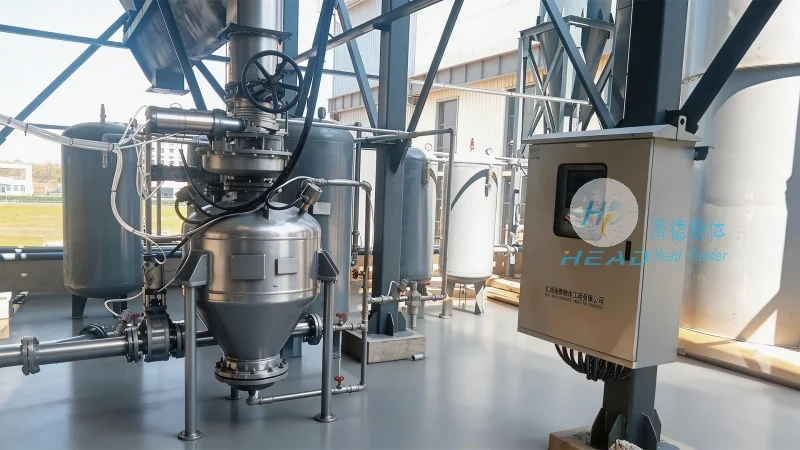
Operation Process of Ferric Sulfate Material Conveying Lines
The operation of a ferric sulfate material conveying line typically involves several key stages, each optimized to ensure smooth and continuous material flow. The process begins with the loading of ferric sulfate into the system, which may be stored in bulk storage silos or containers. From there, the material is transferred to the primary feeding equipment, such as a hopper or feeder, which regulates the flow rate and ensures consistent material delivery to the conveyor system. The conveyor itself, often a belt conveyor or screw conveyor depending on the application, transports the ferric sulfate through the system, maintaining a controlled speed and tension to prevent material spillage or blockages. At intermediate points, the line may include components like surge hoppers or transfer stations to manage variations in flow and provide buffer capacity. The final stage involves unloading the material at the destination, which could be a processing unit, storage silo, or disposal area. Throughout the operation, the system is equipped with sensors and control mechanisms to monitor parameters such as flow rate, pressure, and temperature, ensuring optimal performance and safety.
Working Principle of Ferric Sulfate Material Conveying Lines
The working principle of ferric sulfate material conveying lines is based on mechanical energy to move the material from one location to another. The primary components of the system work in coordination to achieve this goal. The feeding mechanism, such as a rotary valve or vibratory feeder, introduces the material into the conveyor system at a controlled rate. The conveyor belt or screw rotates, creating a frictional force that propels the material forward. For belt conveyors, the material is placed on the belt surface and carried along by the belt’s movement, while for screw conveyors, the material is forced through the screw’s helical flights. The system may also incorporate auxiliary equipment like clamps or brakes to control the speed and direction of the material flow. Additionally, the design of the conveying line takes into account the physical properties of ferric sulfate, such as its density, moisture content, and flowability, to ensure that the equipment operates efficiently without causing excessive wear or blockages. The integration of these components results in a reliable and efficient system that meets the demands of industrial applications.
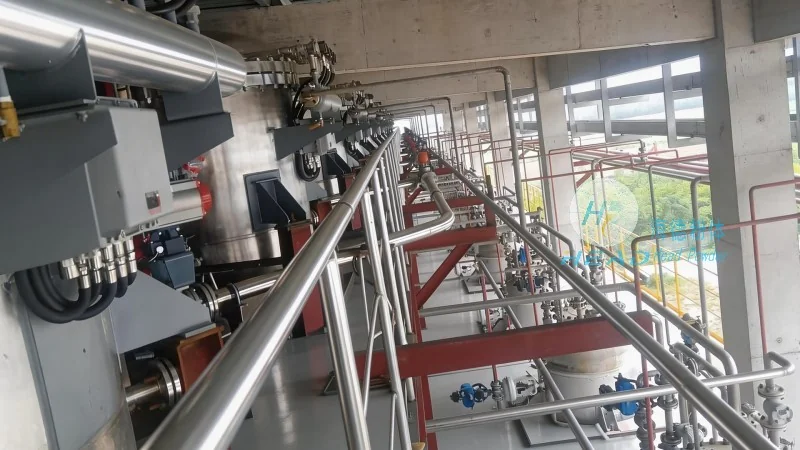
Advantages of Ferric Sulfate Material Conveying Lines
Investing in a properly designed ferric sulfate material conveying line offers numerous benefits for industrial operations. These systems enhance productivity by reducing manual handling and minimizing downtime due to material blockages. They also improve safety by eliminating the need for workers to handle large quantities of material manually, reducing the risk of accidents and exposure to dust or fumes. Furthermore, the controlled flow of material ensures consistent quality in downstream processes, such as chemical reactions or water treatment, leading to better product outcomes. The durability and reliability of these systems, engineered by HeadPowder, provide long-term value, with minimal maintenance requirements and extended service life. By leveraging the expertise of Shandong HeadPowder Engineering Co., Ltd., businesses can select and implement a conveying line that meets their specific operational needs, ensuring optimal performance and cost-effectiveness.