

Operation Process and Working Principle of Desulfurizer Material Conveying Line
Desulfurizer material conveying lines are critical components in industrial processes, particularly in power plants and other facilities that rely on flue gas desulfurization to reduce sulfur dioxide emissions. These systems are designed to transport desulfurizer materials, such as limestone or other alkaline substances, from storage areas to the reaction points where they neutralize acidic gases in the flue gas stream. The efficiency and reliability of these conveying lines directly impact the overall performance of the desulfurization system, making them a key focus for industrial operations seeking to maintain compliance with environmental regulations and optimize operational costs.
Key Components of Desulfurizer Material Conveying Systems
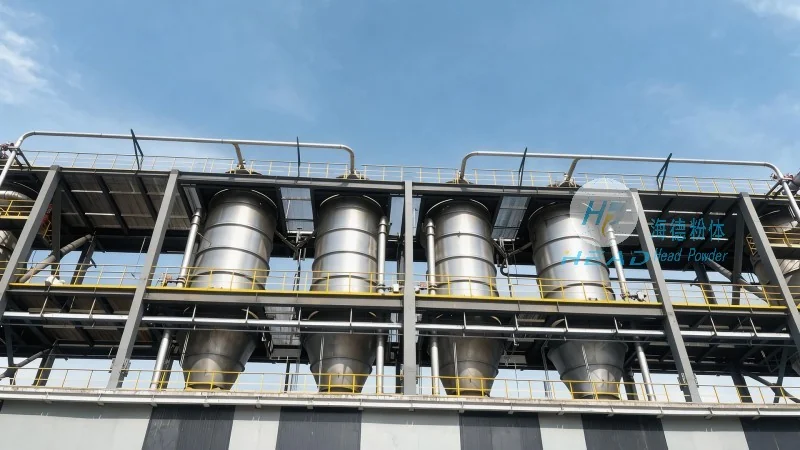
Typical desulfurizer material conveying lines consist of several interconnected components that work together to ensure smooth material transport. These components include material storage silos or hoppers, feeding mechanisms (like rotary valves or screw feeders), conveyor systems (such as belt conveyors, screw conveyors, or pneumatic conveying lines), and control systems that regulate the flow rate and direction of the material. Each component plays a vital role in maintaining the integrity of the material and ensuring consistent delivery to the desulfurization reactor. For example, the storage silos are designed to hold large quantities of desulfurizer material, while the feeding mechanisms ensure a controlled and uniform flow into the conveyor system. The conveyor itself may vary depending on the material properties and the distance to be covered, with belt conveyors being common for bulk materials over moderate distances, and pneumatic systems used for fine powders or when a more flexible layout is required.
Operation Process of Desulfurizer Material Conveying Lines
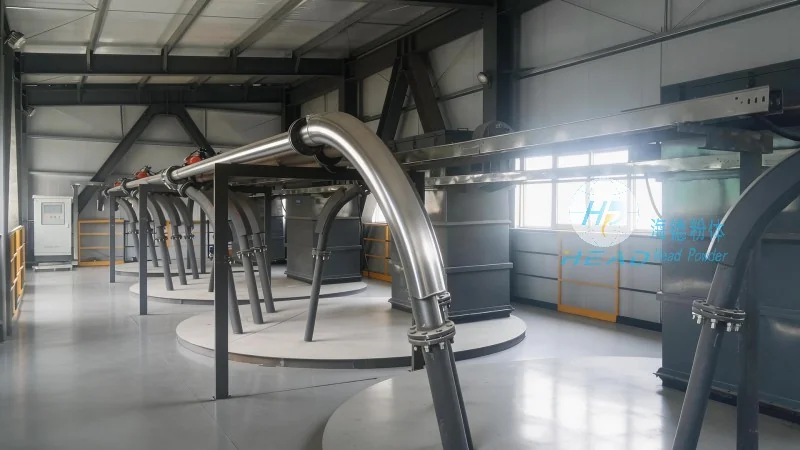
The operation process of a desulfurizer material conveying line typically involves several sequential steps to ensure the material is transported from storage to the reaction point efficiently. The first step is material loading into the storage silo, where the desulfurizer is stored in bulk. Once the silo is filled, the feeding mechanism (e.g., a rotary valve) starts to discharge the material into the conveyor system. The conveyor then transports the material to the desulfurization reactor, where it is mixed with the flue gas to neutralize sulfur dioxide. The control system monitors the flow rate and pressure within the system, adjusting the feeding speed as needed to maintain a consistent material supply. This process is often automated, with sensors and control panels ensuring that the conveying line operates within optimal parameters. For instance, if the material level in the silo drops below a certain threshold, the system may trigger a refill signal to prevent interruptions in the desulfurization process. Similarly, if the conveyor experiences a blockage or a pressure drop, the control system will activate alarms and may initiate a shutdown sequence to prevent damage to the equipment.
Working Principle of Desulfurizer Material Conveying Lines
The working principle of desulfurizer material conveying lines is based on mechanical or pneumatic forces that move the material from the source to the destination. Mechanical conveying systems, such as belt or screw conveyors, rely on the friction between the material and the conveyor surface, or the rotation of a screw, to transport the material. These systems are generally more cost-effective for bulk materials and are suitable for horizontal or slightly inclined transport. Pneumatic conveying systems, on the other hand, use compressed air to create a flow that carries the material through a pipeline. This method is ideal for fine powders or when the material needs to be transported over longer distances or through vertical lifts. The choice of conveying method depends on factors such as the material's density, moisture content, and the distance to be covered. In both cases, the system is designed to minimize material degradation and ensure that the desulfurizer remains in a consistent state (e.g., as a dry powder) until it reaches the reaction point. This is crucial because the effectiveness of the desulfurization process depends on the material's ability to react with sulfur dioxide, and any degradation or agglomeration can reduce its efficiency.
Role of Shandong HeadPowder Engineering Co., Ltd. in Desulfurizer Material Conveying Systems
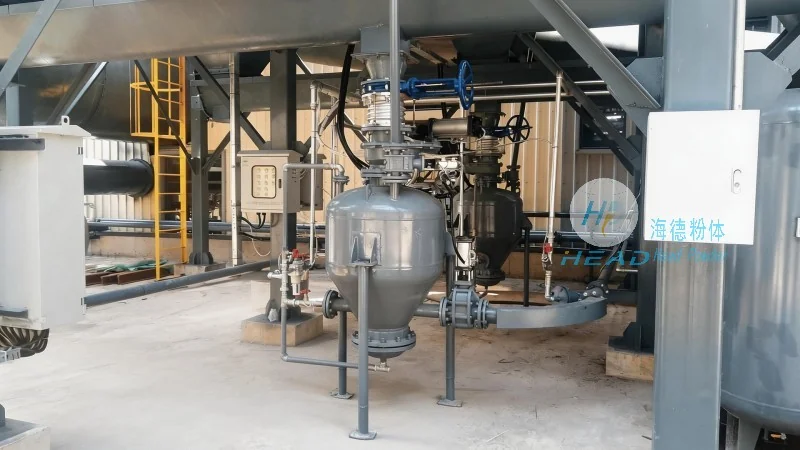
Shandong HeadPowder Engineering Co., Ltd., commonly known as headpowder, is a leading provider of industrial conveying solutions, including desulfurizer material conveying lines. With a strong presence in China, the company specializes in designing, manufacturing, and installing customized conveying systems tailored to the specific needs of power plants and other industrial facilities. The company's expertise lies in understanding the unique challenges of desulfurization processes, such as handling large volumes of material, maintaining consistent flow rates, and ensuring compliance with environmental regulations. By leveraging advanced engineering techniques and high-quality materials, headpowder delivers conveying lines that are durable, efficient, and reliable. For example, the company may offer solutions that integrate with existing desulfurization equipment, ensuring seamless operation and minimal downtime. Additionally, headpowder provides comprehensive after-sales support, including maintenance services and technical assistance, to help clients maximize the lifespan and performance of their conveying systems. The company's commitment to quality and customer satisfaction has made it a trusted partner for many industrial clients in China and beyond.