Desulfurization fly ash, a byproduct of flue gas desulfurization processes in power plants and industrial facilities, requires efficient and reliable transport methods for handling and disposal. Pneumatic conveying, which uses air or gas to move bulk materials, is a common solution for transporting desulfurization fly ash. Two primary methods exist: negative pressure (or suction) conveying and positive pressure (or pressure) conveying. This article provides a detailed comparison of the advantages and disadvantages of each approach, helping stakeholders make informed decisions when selecting a conveying system for their desulfurization fly ash management needs.
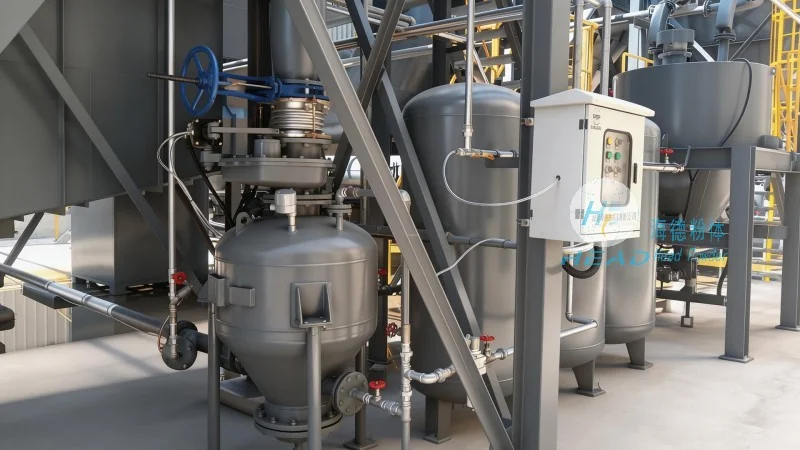
Understanding Negative Pressure Pneumatic Conveying
Negative pressure pneumatic conveying, also known as suction conveying, operates by creating a vacuum in the conveying line to draw material from the source to the destination. This method is often used for short to medium distances and when the material is light or has low dust generation. The system typically includes a vacuum pump, a material hopper, and a conveying pipe network. The key principle is that the vacuum pulls the material along with the air stream, ensuring that the material is transported without the need for external pressure.
Advantages of Negative Pressure Conveying
One of the primary advantages of negative pressure conveying is its ability to handle fine or dusty materials without causing excessive wear on the system components. The low pressure environment reduces the risk of material degradation and minimizes the need for heavy-duty equipment. Additionally, negative pressure systems are generally more energy-efficient for short to medium distances, as they require less power to maintain the vacuum compared to positive pressure systems. Another benefit is the reduced risk of material spillage or leakage, as the system operates under a negative pressure that prevents material from escaping the pipe. This makes it suitable for applications where environmental control is critical, such as transporting desulfurization fly ash to storage or disposal sites.
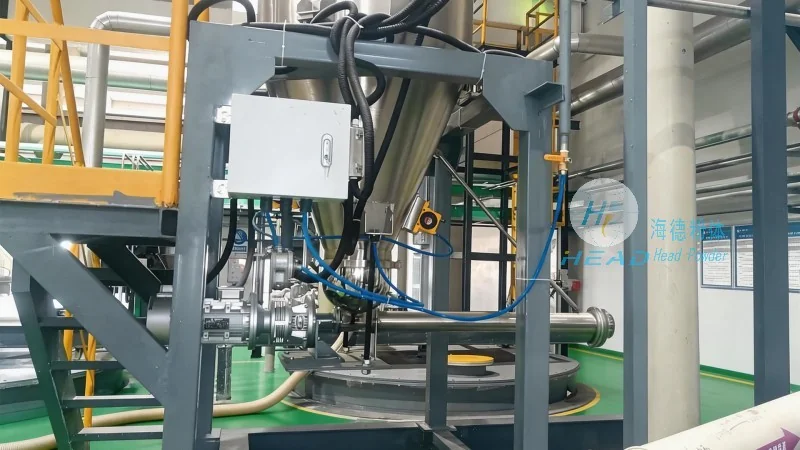
Disadvantages of Negative Pressure Conveying
Despite its advantages, negative pressure conveying has several limitations. The most significant drawback is its limited distance capability. The vacuum pressure drops as the distance increases, making it difficult to transport materials over long distances without intermediate boosters or additional vacuum pumps. This can increase the system complexity and cost. Another disadvantage is the higher risk of air leakage, which can reduce the efficiency of the conveying process and lead to increased energy consumption. Furthermore, negative pressure systems are more susceptible to clogging due to the low velocity of the material in the pipe, especially when handling high-density or abrasive materials like desulfurization fly ash. This can result in downtime and maintenance challenges. Finally, the system may not be suitable for applications requiring high material throughput, as the vacuum rate is limited by the pump capacity.
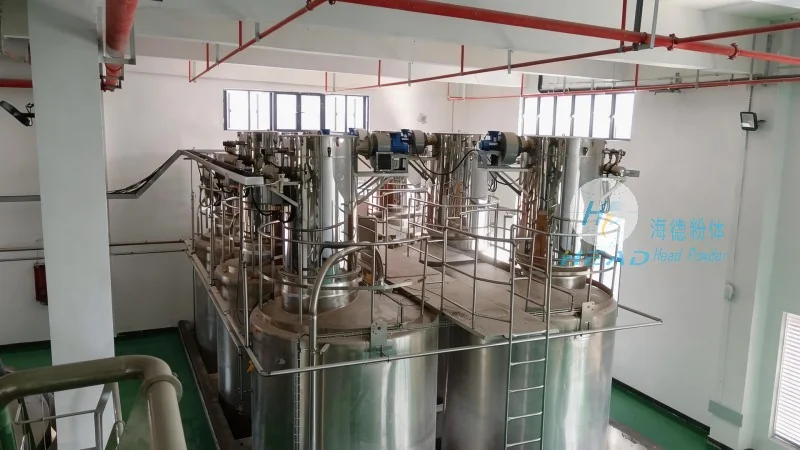
Understanding Positive Pressure Pneumatic Conveying
Positive pressure pneumatic conveying, also known as pressure conveying, operates by using a blower or compressor to push air and material through the conveying line. This method is commonly used for longer distances and when the material is heavy or has high dust generation. The system typically includes a material hopper, a blower, and a conveying pipe network. The key principle is that the positive pressure pushes the material along with the air stream, ensuring that the material is transported at a higher velocity and over longer distances.
Advantages of Positive Pressure Conveying
Positive pressure conveying offers several advantages that make it suitable for many desulfurization fly ash applications. The most notable advantage is its ability to transport materials over long distances, often up to several kilometers, without the need for intermediate boosters. This reduces the system complexity and cost compared to negative pressure systems that require additional vacuum pumps. Another advantage is the higher material throughput, as the positive pressure allows for higher air velocity and greater material loading. This makes it ideal for high-volume applications where rapid transport of desulfurization fly ash is required. Additionally, positive pressure systems are less susceptible to clogging due to the higher velocity of the material in the pipe, which helps prevent the accumulation of abrasive or fine particles. This leads to lower maintenance costs and longer system life. Finally, the system is more reliable for handling high-density materials like desulfurization fly ash, as the positive pressure ensures consistent material flow.




