Color sand pneumatic conveying machines are essential equipment in various industrial applications, particularly for the efficient transport of colored sand particles. These machines utilize air pressure to move materials, offering a dust-free and flexible solution compared to traditional mechanical conveyors. The operation and working principles of such systems are crucial for understanding their performance and suitability in different production environments.
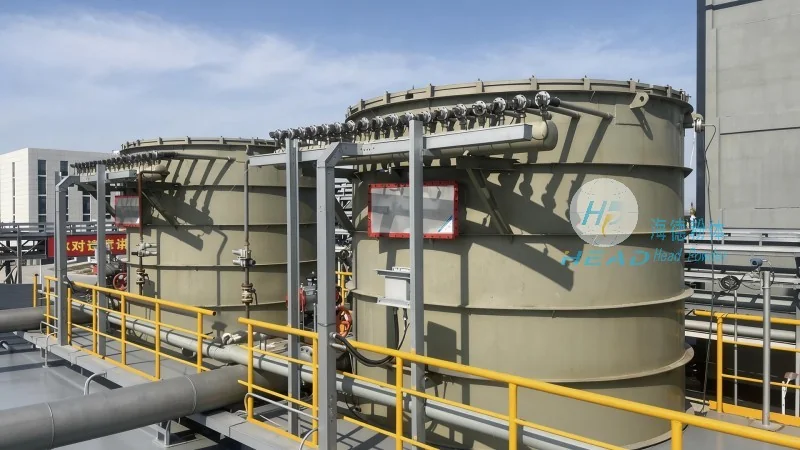
Key Components of a Color Sand Pneumatic Conveyor System
The core components of a color sand pneumatic conveying system typically include a hopper for material storage, a blower or air compressor to generate the necessary air flow, a pipeline network to transport the material, and a receiver or discharge point. Each component plays a vital role in ensuring the smooth and efficient operation of the entire system. The hopper is designed to hold the color sand, allowing for consistent feeding into the system. The blower provides the pressure or vacuum required to move the sand particles through the pipeline. The pipeline network connects the hopper to the discharge point, with appropriate fittings and valves to control the flow direction and pressure. The receiver collects the conveyed color sand, completing the material transport process.
Working Principle of Color Sand Pneumatic Conveying
The working principle of a color sand pneumatic conveyor involves the use of air to create a flow that carries the sand particles. There are two main types of pneumatic conveying systems: pressure and vacuum. In a pressure system, the blower supplies compressed air from the hopper, pushing the sand particles through the pipeline. The air and sand mixture travels to the discharge point, where the air is often separated from the sand using a cyclone or filter. In a vacuum system, the blower creates a vacuum at the discharge end, drawing the sand particles from the hopper through the pipeline. Both systems rely on the air flow to maintain the suspension of the sand particles, preventing them from settling and ensuring reliable transport.
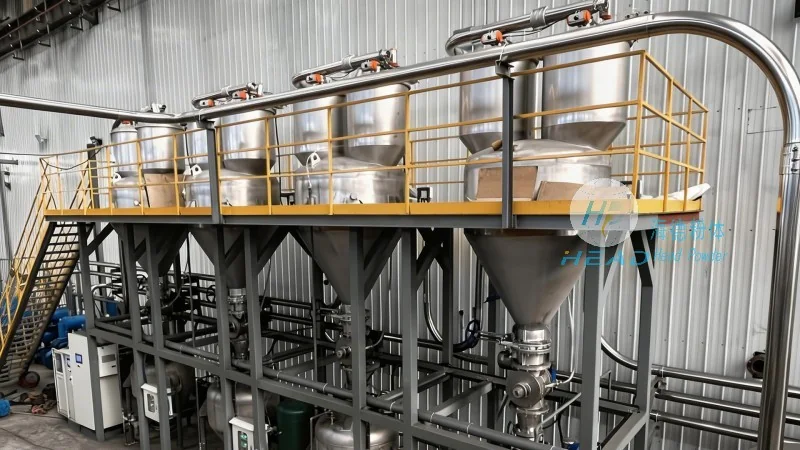
Operation Process of Color Sand Pneumatic Conveying
The operation process of a color sand pneumatic conveying machine begins with the loading of color sand into the hopper. The hopper is equipped with a feeding mechanism, such as a screw feeder or a rotary valve, which controls the flow rate of the sand into the system. Once the hopper is filled, the blower is activated, generating the required air pressure or vacuum. The air flow then picks up the sand particles from the hopper and transports them through the pipeline to the discharge point. At the discharge end, the air and sand mixture enters a separator, where the air is removed and the sand is collected in the receiver. The system continues to operate as long as the hopper has material and the blower is running. Proper maintenance and monitoring of the system components are essential to ensure consistent performance and prevent issues such as blockages or air leaks.
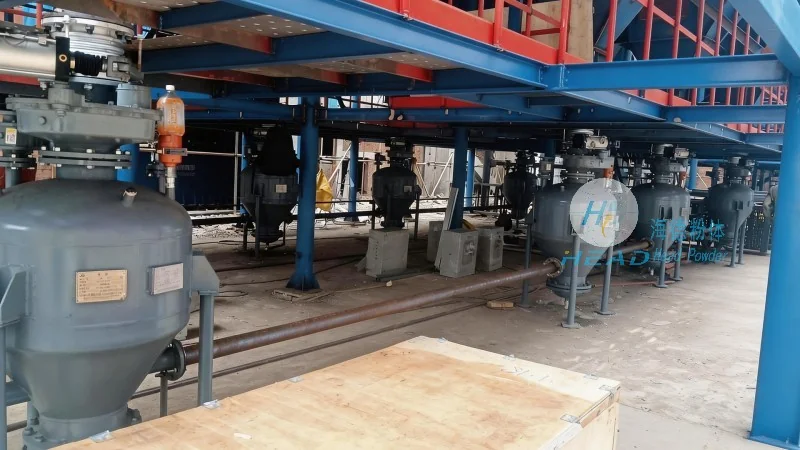
Advantages of Using Color Sand Pneumatic Conveying Machines
Color sand pneumatic conveying machines offer several advantages over traditional mechanical conveyors. One of the primary benefits is the ability to transport materials in a dust-free environment, which is crucial for maintaining product quality and worker safety. The flexible pipeline design allows for easy integration into existing production lines, with minimal space requirements. Additionally, these systems can handle a wide range of particle sizes and densities, making them suitable for various color sand applications. The operation is also relatively simple, with automated controls that can be adjusted to match production needs. Overall, the use of pneumatic conveying for color sand provides a reliable and efficient solution for material transport in industrial settings.
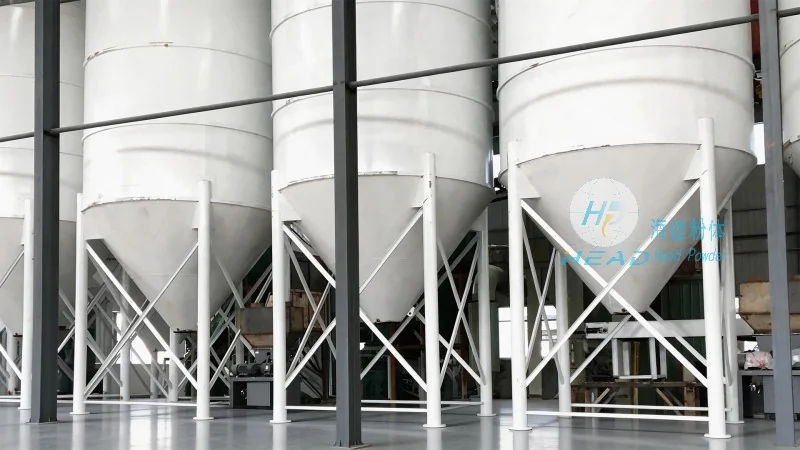
Applications of Color Sand Pneumatic Conveying Systems
Color sand pneumatic conveying systems are widely used in industries that require the transport of colored sand particles. These include the construction industry, where color sand is used for decorative purposes in concrete and mortar. The automotive industry also utilizes color sand for coating applications, where the sand is mixed with resins to create protective coatings. Additionally, the manufacturing of ceramics and glass products involves the use of color sand for coloring and texture enhancement. In each of these applications, the pneumatic conveying system ensures that the color sand is transported efficiently and without contamination, maintaining the quality of the final product.
Conclusion
Color sand pneumatic conveying machines are a vital component in modern industrial operations, providing an efficient and reliable method for transporting colored sand particles. The operation process and working principles of these systems are based on the use of air pressure to move materials, with key components including hoppers, blowers, pipelines, and receivers. By understanding the advantages and applications of such systems, industries can make informed decisions about implementing pneumatic conveying solutions for their color sand transport needs. With proper maintenance and operation, these machines can offer long-term benefits in terms of productivity and product quality.




