Understanding the operation process and working principle of kaolin pneumatic conveying machines is crucial for optimizing material handling in industrial settings. These specialized systems are designed to efficiently transport kaolin, a key industrial mineral, through a pneumatic system, ensuring minimal loss and maximum efficiency. The following sections provide a detailed breakdown of how these machines function and the key components involved in their operation.
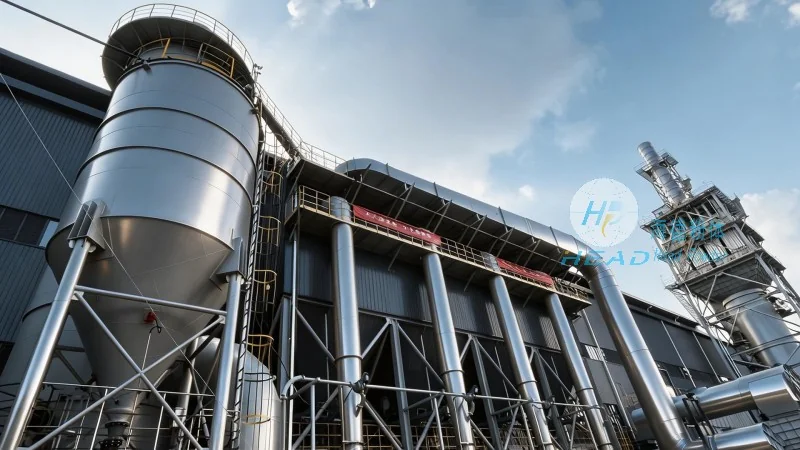
Introduction to Kaolin Pneumatic Conveying Systems
Before delving into the specifics of operation, it is essential to understand the fundamental components and purpose of kaolin pneumatic conveying machines. Kaolin, also known as china clay, is widely used in various industries including ceramics, paper, and cosmetics due to its unique properties such as high whiteness and plasticity. Pneumatic conveying systems offer a non-contact method of transporting dry powders like kaolin, which is particularly advantageous for maintaining product quality and preventing contamination. The system typically consists of a hopper for material storage, a blower or compressor to generate airflow, a pipeline network, and a receiver for the conveyed material. Each component plays a critical role in the overall efficiency and reliability of the conveying process.
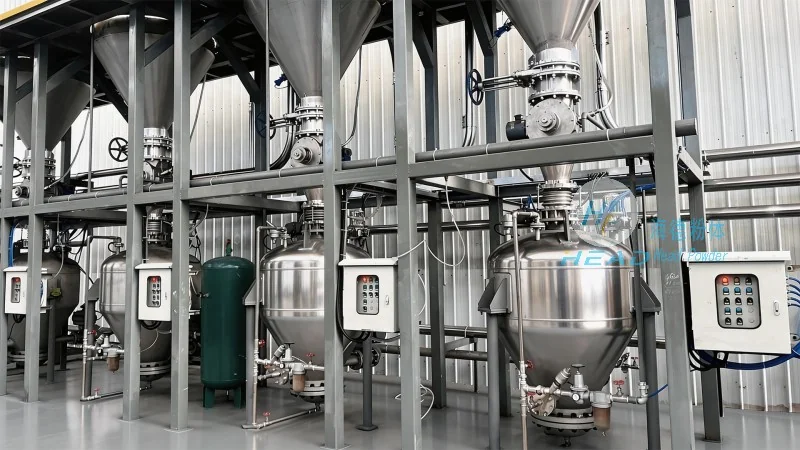
Key Components of Kaolin Pneumatic Conveying Machines
The effectiveness of a kaolin pneumatic conveying machine relies on the proper integration of several key components. The hopper is the initial storage unit where raw kaolin is loaded. It is designed with a sloped bottom to facilitate the smooth flow of material into the conveying line. The blower or compressor is the heart of the system, responsible for generating the necessary airflow to move the kaolin particles through the pipeline. This component can be either a positive displacement blower or a centrifugal fan, chosen based on the specific requirements of the application, such as the material's density and the required conveying distance. The pipeline network comprises the tubes through which the material is transported. These pipes are usually made of stainless steel or other corrosion-resistant materials to withstand the abrasive nature of kaolin and prevent blockages. The receiver is the final destination where the conveyed kaolin is deposited, often equipped with a discharge valve to control the release of material. Additionally, accessories like filters, cyclones, and check valves may be included to enhance system performance and ensure smooth operation.
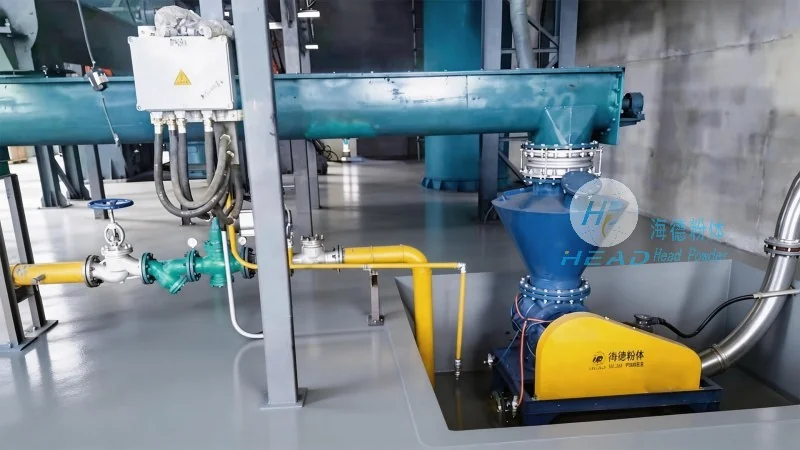
Working Principle of Kaolin Pneumatic Conveying
The working principle of a kaolin pneumatic conveying machine involves the creation of a pressure differential that propels the material through the pipeline. The process begins when the material is released from the hopper into the conveying line. The blower then generates a high-velocity airflow that entrains the kaolin particles, forming a suspension of powder and air. This mixture travels through the pipeline under pressure, with the air providing the necessary force to overcome friction and gravity. As the material moves, it may encounter bends or changes in direction, which are designed to minimize turbulence and maintain the flow. The receiver at the end of the pipeline collects the conveyed kaolin, and the air is typically filtered and recirculated to the blower, completing the cycle. The efficiency of this process depends on the balance between air velocity and material flow rate, ensuring that the particles are adequately suspended without causing excessive wear on the system components.
Operation Process of Kaolin Pneumatic Conveying Machines
The operation process of a kaolin pneumatic conveying machine can be broken down into several sequential steps. First, the raw kaolin is loaded into the hopper, ensuring a sufficient quantity for continuous operation. The system is then started by activating the blower, which generates the required airflow. As the material is released from the hopper, it is drawn into the conveying line by the moving air, forming a consistent flow. The material travels through the pipeline to the receiver, where it is deposited. The system may include monitoring devices to track the flow rate and pressure, allowing for adjustments to maintain optimal performance. During operation, it is important to monitor the system for any signs of blockage or pressure drop, as these can indicate issues such as material buildup or air leaks. Regular maintenance, including cleaning filters and checking for wear on components, is essential to ensure the longevity and efficiency of the machine. The entire process is designed to be automated, reducing the need for manual intervention and enhancing overall productivity.
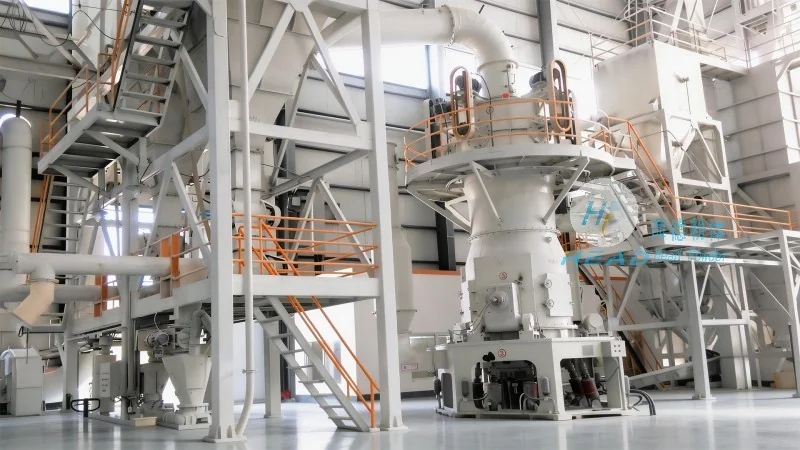
Benefits and Applications of Kaolin Pneumatic Conveying Machines
Implementing kaolin pneumatic conveying machines offers several significant benefits for industrial operations. One of the primary advantages is the ability to transport kaolin in a non-contact manner, which helps maintain the purity and quality of the material. This is particularly important for applications where contamination could affect downstream processes, such as in the production of high-quality ceramics or paper. Additionally, pneumatic conveying systems are more flexible than traditional methods like belt conveyors, allowing for easier integration into existing production lines and the ability to transport materials over longer distances without the need for multiple transfer points. The system also reduces labor costs by automating the material handling process and minimizing the risk of workplace injuries associated with manual handling of powders. In the case of Shandong HeadPowder Engineering Co., Ltd., a leading manufacturer of such systems, their expertise in designing and manufacturing kaolin pneumatic conveying machines ensures that clients receive reliable and efficient solutions tailored to their specific needs. With operations based in Shandong, China, the company leverages local resources and industry knowledge to provide high-quality equipment that meets international standards.




