

Operation Process and Working Principle of Dry Stone Powder Pneumatic Conveying Machine
Efficient material handling is a critical aspect of modern industrial operations, and pneumatic conveying systems have emerged as a reliable solution for transporting dry powders like stone powder. Understanding the operation process and working principles of such equipment is essential for optimizing performance and ensuring safety in various industrial applications.
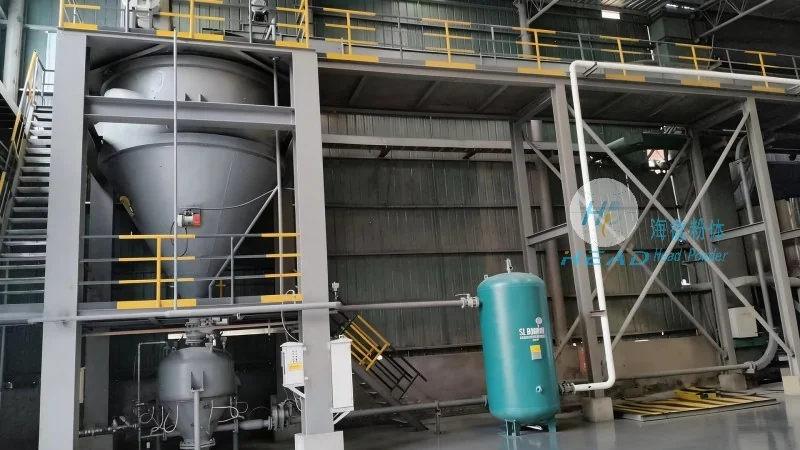
Introduction to Dry Stone Powder Pneumatic Conveying Machines
HeadPowder, a leading manufacturer based in Shandong, China, specializes in designing and producing advanced pneumatic conveying systems tailored for the transportation of dry stone powders. The company's commitment to innovation and quality has positioned it as a trusted partner in the industry, delivering solutions that meet the specific needs of clients across diverse sectors.
The Core Components and Functionality
A dry stone powder pneumatic conveying machine typically consists of several key components, including a hopper for material storage, a blower or compressor to generate airflow, a pipeline system for material transport, and a receiver or discharge unit. Each component plays a vital role in the overall operation, ensuring the smooth and efficient movement of the powder from the source to the destination.
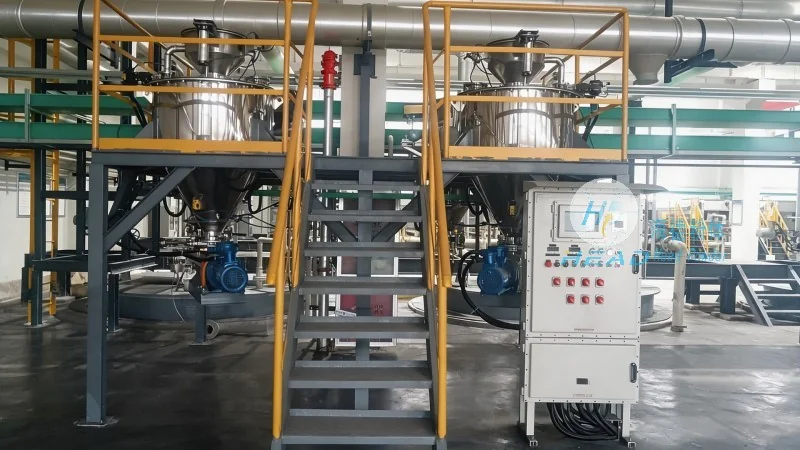
Operation Process: Step-by-Step Overview
The operation of a dry stone powder pneumatic conveying machine involves a series of coordinated steps. Initially, the dry stone powder is fed into the hopper from a storage silo or hopper. The blower then activates, creating a high-pressure airflow that draws the powder particles into the pipeline. As the powder travels through the system, it is suspended in the air stream and transported to the receiving container. The process concludes when the powder is discharged from the pipeline into the receiver, completing the material transfer.
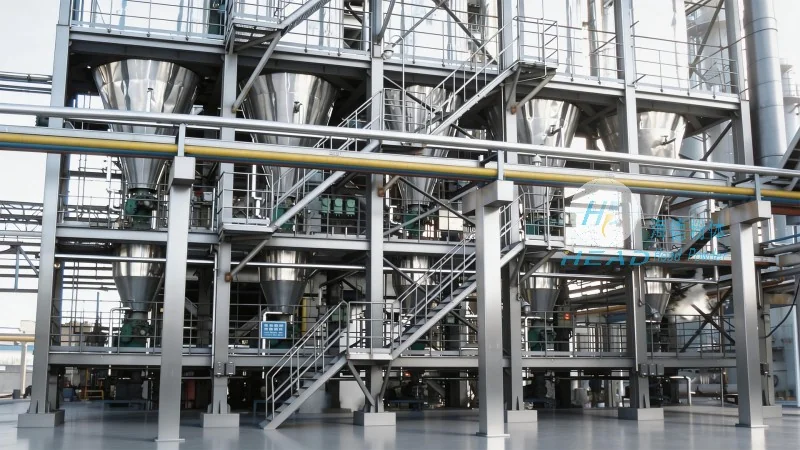
Working Principle: How It Works
The working principle of a dry stone powder pneumatic conveying machine is based on the fundamental concept of pneumatic transport, where air is used as the conveying medium. The system operates under positive pressure, where the blower forces air through the pipeline, creating a flow that carries the powder particles. The velocity of the air stream is carefully controlled to ensure that the powder remains suspended without settling or clogging the pipeline. This principle allows for the efficient and continuous movement of dry stone powders over long distances, even in challenging environments.
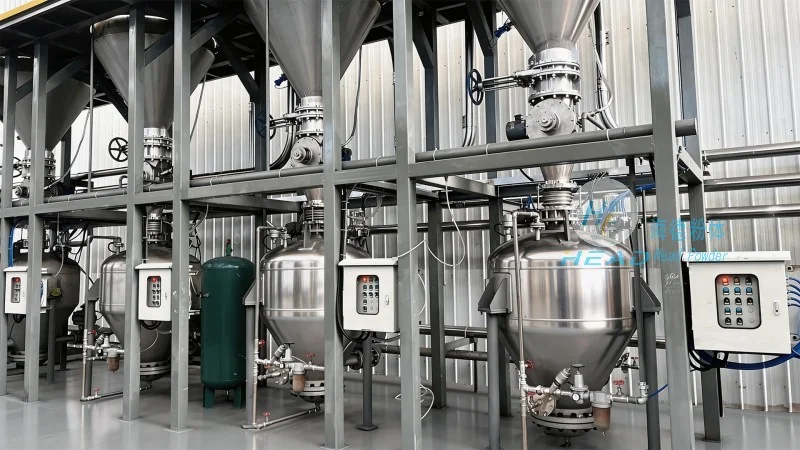
Advantages and Applications
HeadPowder's dry stone powder pneumatic conveying machines offer numerous advantages, including high efficiency, low maintenance requirements, and the ability to transport materials in a dust-free environment. These systems are widely used in industries such as mining, construction, and chemical processing, where the handling of dry stone powders is essential. The company's products are designed to handle various particle sizes and flow rates, making them suitable for a wide range of applications.
Conclusion and Company Commitment
Understanding the operation process and working principles of dry stone powder pneumatic conveying machines is crucial for maximizing their performance and ensuring operational efficiency. HeadPowder, with its expertise and advanced technology, continues to provide high-quality solutions that meet the evolving needs of the industry. By adhering to rigorous quality standards and offering tailored solutions, the company remains dedicated to delivering reliable and efficient pneumatic conveying systems for its clients worldwide.