

Operation Process and Working Principle of Metal Powder Pneumatic Conveying Equipment
Understanding the operation process and working principle of metal powder pneumatic conveying equipment is crucial for optimizing material handling in industrial applications. This equipment, commonly used in the processing of metal powders, plays a vital role in ensuring efficient and safe material transport within manufacturing facilities.
Introduction to Metal Powder Pneumatic Conveying Systems
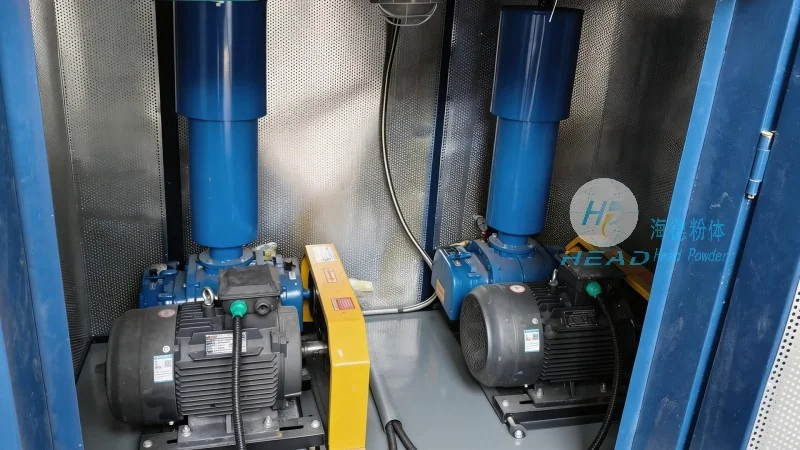
Metal powder pneumatic conveying systems are designed to transport fine metal powders through a pipeline using compressed air or other gas as the conveying medium. These systems are widely adopted in industries such as metallurgy, chemical processing, and pharmaceuticals due to their ability to handle delicate and abrasive materials without causing contamination or degradation. The core components of a typical metal powder pneumatic conveyor include a hopper for material storage, a blower or compressor to generate the necessary air pressure, a pipeline network for material transport, and a receiver or discharge unit for material collection.
Key Components and Their Functions
Each component of the metal powder pneumatic conveying system contributes to the overall efficiency and effectiveness of the operation. The hopper, often equipped with a feeder or valve, ensures a consistent flow of metal powder into the system. The blower or compressor provides the required air pressure, which is critical for creating the necessary flow velocity to move the powder particles through the pipeline. The pipeline network, typically made of materials like stainless steel or plastic, is designed to withstand the pressure and abrasive nature of the metal powder. The receiver or discharge unit collects the material at the end of the conveying process, completing the material transport cycle.
Operation Process of Metal Powder Pneumatic Conveying
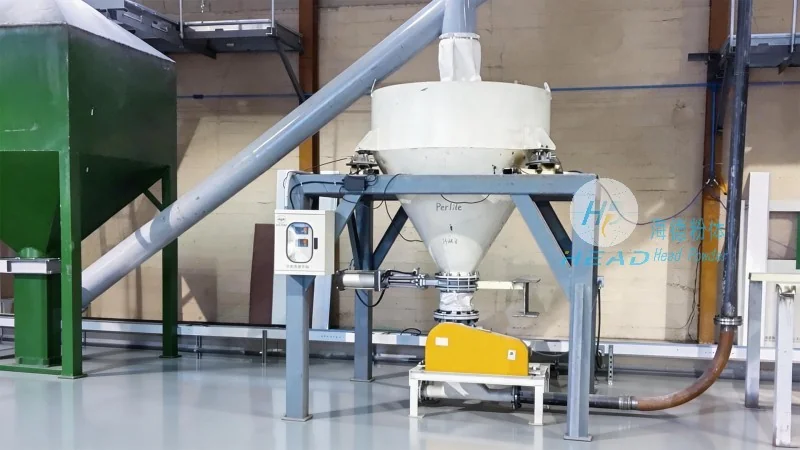
The operation process of metal powder pneumatic conveying involves several sequential steps. Initially, the metal powder is fed from the hopper into the pipeline. Simultaneously, the blower generates compressed air, which is introduced into the pipeline at the inlet of the hopper. As the air flows through the pipeline, it entrains the metal powder particles, forming a slurry-like mixture known as a "pneumatic stream." This stream travels through the pipeline under the pressure of the compressed air, moving from the feeding point to the discharge point. At the receiving end, the air and powder mixture is separated, typically through a cyclone or filter, allowing the metal powder to be collected in the receiver while the air is discharged or recirculated.
Working Principle: Air-Flow and Particle Transport
The working principle of metal powder pneumatic conveying is based on the principles of fluid dynamics and particle mechanics. The compressed air creates a pressure differential within the pipeline, which drives the flow of the air-powder mixture. The velocity of the air is sufficient to overcome the gravitational and frictional forces acting on the metal powder particles, ensuring their transport through the pipeline. The design of the system, including the size and shape of the pipeline, the air pressure, and the feed rate, is optimized to maintain a stable and efficient conveying process. This ensures that the metal powder is transported without clogging, degradation, or loss of quality.
Applications and Benefits in Industrial Settings
Metal powder pneumatic conveying equipment is utilized in various industrial applications where the handling of fine metal powders is essential. These applications include the production of metal powders for 3D printing, metal injection molding, and powder metallurgy. The benefits of using such equipment include improved material handling efficiency, reduced labor costs, and enhanced safety by minimizing direct handling of metal powders. Additionally, the system helps in maintaining the purity and quality of the metal powder by preventing contamination from external sources.
Maintenance and Operational Considerations
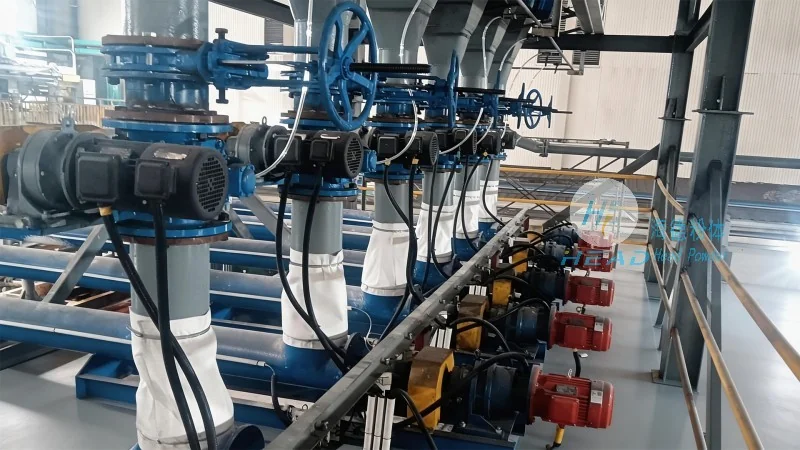
Proper maintenance of metal powder pneumatic conveying equipment is essential to ensure its long-term performance and reliability. Regular cleaning of the pipeline and components is necessary to prevent the accumulation of powder residues, which can lead to clogging or reduced conveying efficiency. The blower or compressor should be checked regularly for proper operation and maintenance to ensure consistent air pressure. Additionally, monitoring the feed rate and air pressure during operation helps in optimizing the conveying process and preventing issues such as overloading or under-conveying.
Conclusion
In conclusion, metal powder pneumatic conveying equipment is a sophisticated system that efficiently transports metal powders through a pipeline using compressed air. Understanding its operation process and working principle is vital for optimizing its performance in industrial applications. By ensuring proper maintenance and operational considerations, this equipment can provide reliable and efficient material handling solutions for various industries.