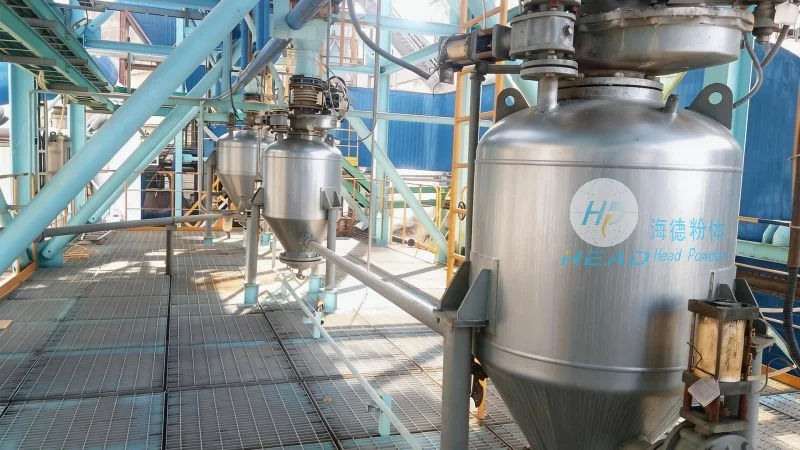
Perlite pneumatic conveying machines are essential equipment in the industrial sector, particularly for the efficient handling and transportation of perlite materials. As a leading manufacturer, Shandong HeadPowder Engineering Co., Ltd. specializes in providing high-quality solutions tailored to meet the diverse needs of clients in China and beyond. This article delves into the operational process and underlying principles of these machines, offering a comprehensive understanding of their functionality and benefits.
About Shandong HeadPowder Engineering Co., Ltd.
HeadPowder, the professional brand under Shandong HeadPowder Engineering Co., Ltd., is headquartered in Shandong, China. With a strong commitment to innovation and quality, the company has established itself as a trusted name in the field of material handling equipment. Our team of experts focuses on developing reliable and efficient solutions that enhance productivity and ensure safety in industrial operations.
Working Principle of Perlite Pneumatic Conveying Machines
The core of a perlite pneumatic conveying machine lies in its ability to transport granular or powdery materials, such as perlite, through a pressurized or vacuum system. The process typically involves the following key components and mechanisms:
1. Air Supply System: This component generates the necessary air pressure or vacuum to move the material. It may include a blower, compressor, or vacuum pump, depending on the specific conveying requirements. The air supply is critical for creating the force needed to propel the perlite particles through the pipeline.
2. Material Feed System: The perlite is introduced into the system, often through a hopper or feeder, which controls the flow rate. This ensures a consistent and controlled supply of material to the conveying line, preventing blockages and maintaining system efficiency.
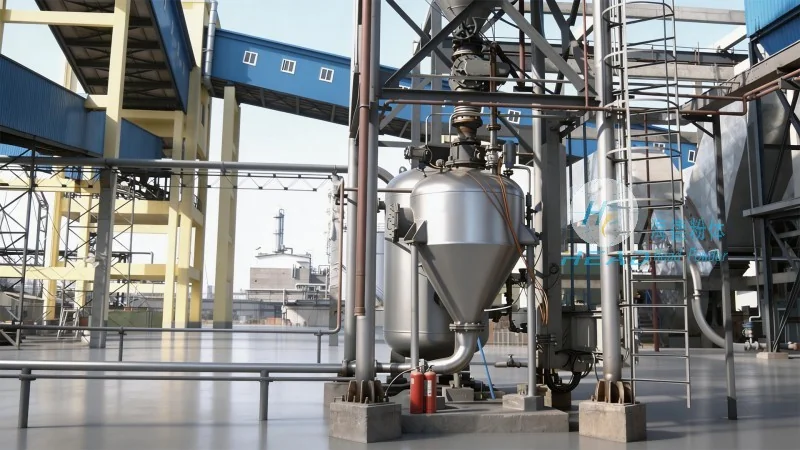
3. Pipeline and Conveying Path: The perlite particles are carried along the pipeline by the moving air. The design of the pipeline, including bends, elbows, and expansion joints, is crucial for minimizing pressure losses and ensuring smooth material flow. Properly sized and positioned components help maintain the integrity of the conveying process.
4. Control and Monitoring Systems: Advanced control systems are integrated to regulate the air flow, material feed, and overall system performance. Sensors and indicators monitor pressure, flow rate, and material level, allowing for real-time adjustments and ensuring optimal operation. This helps in preventing system failures and maintaining consistent output.
Operation Process of Perlite Pneumatic Conveying Machines
The operational process of a perlite pneumatic conveying machine can be broken down into several sequential steps, each designed to ensure efficient material transport from the source to the destination:
1. Preparation and Setup: Before initiating the operation, the system is prepared by checking all components, including the air supply, material feed, and pipeline connections. The hopper is filled with perlite, and the control system is set to the desired parameters. This step ensures that the machine is ready for immediate use and minimizes downtime.
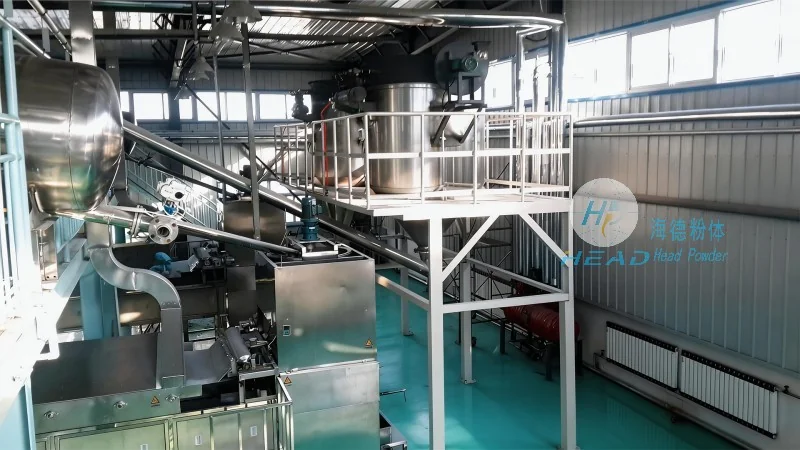
2. Start-up and Air Activation: The air supply system is activated, either by starting the blower or compressor, to generate the required pressure or vacuum. The air flow is adjusted to the optimal level, ensuring that the perlite particles are effectively entrained and transported. Proper air flow management is critical to avoid material deposition or system overload.
3. Material Conveying: Once the air is activated, the perlite is fed into the system. The particles are carried by the moving air through the pipeline, reaching the destination point. The conveying speed and distance depend on the system design and the characteristics of the perlite, such as particle size and density.
4. Termination and System Shutdown: After the material has been successfully transported, the system is shut down in an orderly manner. The air supply is turned off, and the pipeline is cleared of any residual material. This step ensures that the equipment is ready for the next operation and maintains its longevity.
Advantages of Using Perlite Pneumatic Conveying Machines
Perlite pneumatic conveying machines offer several advantages over traditional material handling methods, making them a preferred choice in many industrial applications:
1. Efficiency and Speed: These machines provide rapid and continuous material transport, significantly reducing handling time and increasing overall productivity. The pneumatic system allows for the movement of large quantities of perlite over long distances without the need for intermediate storage or manual labor.
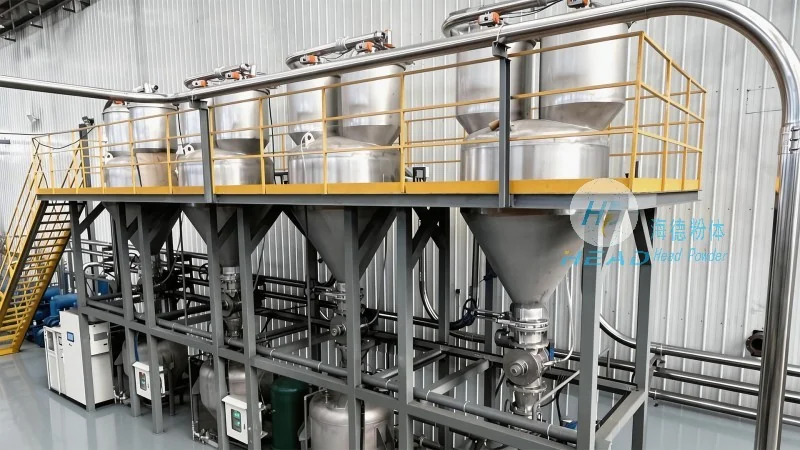
2. Low Maintenance and Durability: Compared to mechanical conveyors, pneumatic systems have fewer moving parts, resulting in lower maintenance requirements and longer service life. The robust design of the equipment ensures it can withstand the abrasive nature of perlite particles, minimizing wear and tear.
3. Versatility and Flexibility: Perlite pneumatic conveying machines can handle a wide range of material types and sizes, including fine powders and granules. The system can be easily adjusted to accommodate different perlite grades or processing requirements, providing flexibility in industrial operations.
4. Space Efficiency: The compact design of the equipment allows for installation in limited spaces, making it suitable for facilities with restricted layouts. The absence of large mechanical components reduces the footprint, contributing to better space utilization.
Conclusion
Perlite pneumatic conveying machines, as exemplified by the solutions offered by Shandong HeadPowder Engineering Co., Ltd., represent a sophisticated and efficient approach to material handling. By understanding the operational process and working principles, industries can leverage these machines to enhance productivity, reduce costs, and ensure safe and reliable transport of perlite materials. With a focus on quality and innovation, HeadPowder continues to provide tailored solutions that meet the evolving needs of the market.




