

Aluminum Nitride Pneumatic Conveying Machine: Operation Process and Working Principle
Aluminum nitride (AlN) is a widely used ceramic material in various high-tech industries, including electronics, optics, and semiconductor manufacturing. The efficient and reliable transport of AlN powder is crucial for maintaining product quality and operational efficiency in production lines. Pneumatic conveying systems, particularly those designed for handling fine powders like AlN, offer a solution that minimizes contamination and ensures consistent material flow. This article delves into the operation process and working principle of an aluminum nitride pneumatic conveying machine, highlighting the key components, operational steps, and technical considerations that contribute to its effective performance, as developed by Shandong HeadPowder Engineering Co., Ltd.
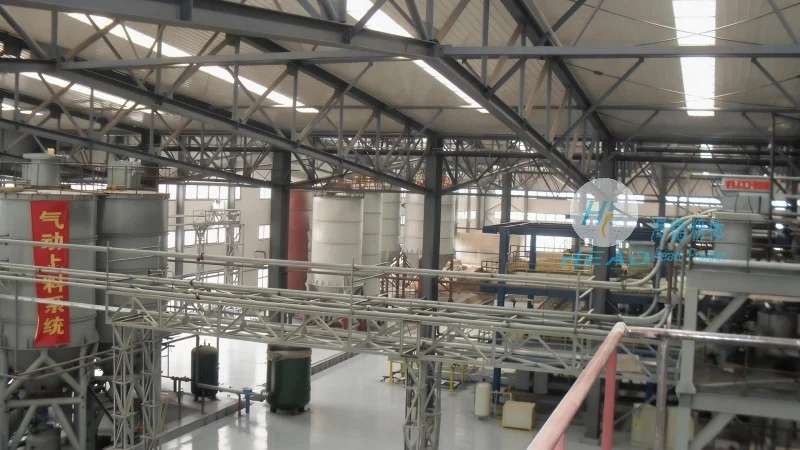
Overview of Aluminum Nitride Pneumatic Conveying Systems
AlN pneumatic conveying machines are engineered to transport AlN powder through a pressurized air stream, eliminating the need for mechanical components that could introduce contaminants or cause material degradation. The system typically consists of a hopper, a rotary valve, a conveying line, a filter, and a receiver. Each component plays a critical role in the overall operation, ensuring that the AlN powder is moved safely and efficiently from the source to the destination. The design of these systems is tailored to handle the specific properties of AlN, such as its fine particle size and chemical reactivity.
Key Components and Their Functions
The hopper serves as the storage container for the AlN powder, providing a consistent feed to the system. It is designed with a sloped bottom to facilitate the flow of powder into the rotary valve, preventing bridging or caking that could disrupt the feed. The rotary valve, often a star valve or a slide valve, acts as a gate to control the flow of powder from the hopper to the conveying line. This component is crucial for regulating the material feed rate and preventing backflow, which could lead to powder accumulation or system pressure buildup. The conveying line, usually made of stainless steel or other corrosion-resistant materials, carries the pressurized air and AlN powder mixture. The filter is installed at the end of the line to separate the powder from the air, ensuring that the AlN powder is collected in the receiver without contamination. The receiver is the final storage container where the AlN powder is deposited after being filtered from the air. All components are manufactured to meet industrial standards, ensuring durability and compatibility with AlN.
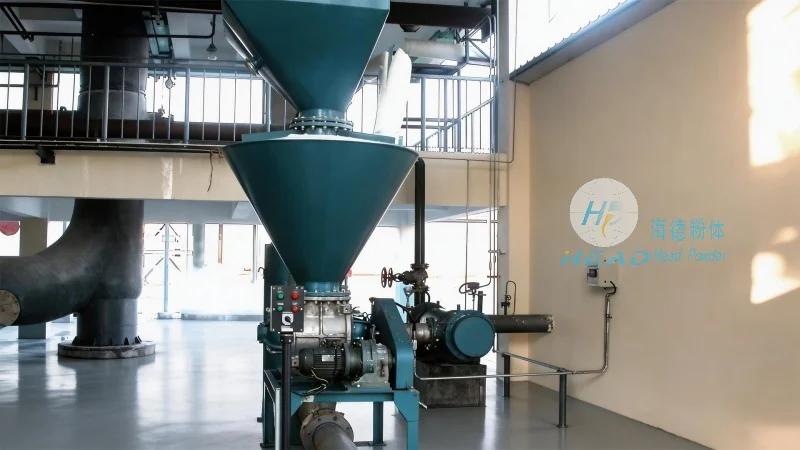
Working Principle of the Pneumatic Conveying Process
The operation of an AlN pneumatic conveying machine begins with the filling of the hopper with the AlN powder. The rotary valve then opens to allow a controlled amount of powder to enter the conveying line. Simultaneously, a high-pressure air compressor supplies compressed air to the line, creating a pressure differential that propels the powder forward. As the powder and air mixture travels through the line, the air velocity is maintained at a level sufficient to keep the powder suspended, preventing it from settling or clogging the system. The mixture then reaches the filter, where the air is separated from the powder. The clean air is discharged, while the AlN powder is collected in the receiver. The entire process is automated, with sensors and control systems monitoring the flow rate, pressure, and other parameters to ensure optimal performance. The system operates continuously, with the rotary valve and air compressor working in sync to maintain a steady flow of powder.
Operational Steps and Process Flow
The operational steps of an AlN pneumatic conveying machine can be broken down into several stages, each designed to ensure the smooth and efficient transport of the powder. The first stage involves the preparation of the system, including checking the hopper level, ensuring the rotary valve is in the correct position, and verifying the air compressor pressure. The second stage is the start-up, where the air compressor is activated, and the rotary valve begins to feed the powder into the line. The third stage is the conveying phase, where the powder is transported from the hopper to the receiver. The fourth stage is the shutdown, where the air compressor is turned off, the rotary valve closes, and the system is prepared for the next cycle. Throughout these stages, the system is monitored for any abnormalities, such as pressure drops or blockages, to prevent downtime and maintain product quality. The control system adjusts the air pressure and feed rate in real-time to compensate for variations in powder flow or line conditions.
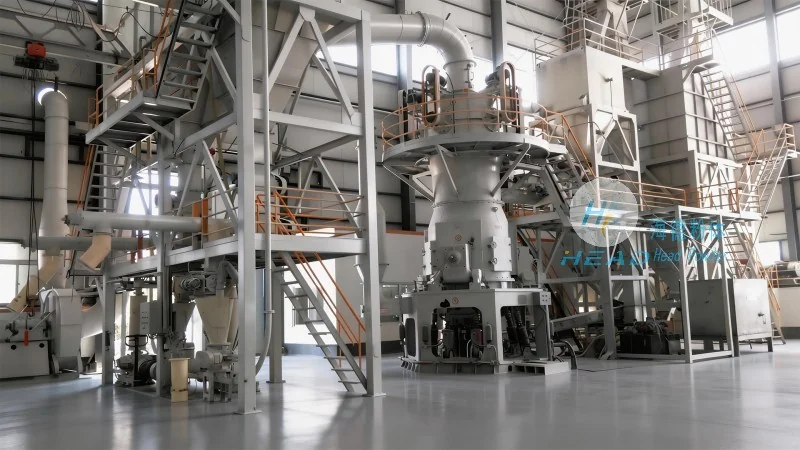
Technical Considerations for Efficient Operation
Several technical factors must be considered to ensure the efficient and reliable operation of an AlN pneumatic conveying machine. The air velocity in the conveying line is a critical parameter, as it must be high enough to keep the powder suspended but not so high as to cause excessive wear on the system components or increase energy consumption. The pressure differential between the hopper and the receiver also plays a key role, as it determines the flow rate of the powder. The size and shape of the AlN powder particles are important, as larger particles may require higher air velocities to maintain suspension. Additionally, the material of construction for the hopper, conveying line, and filter must be compatible with AlN to prevent chemical reactions or contamination. Regular maintenance, including cleaning the filter and checking for wear on components, is essential to maintain the system's performance and extend its lifespan. The system is also designed with safety features, such as pressure relief valves, to prevent over-pressurization and ensure safe operation.
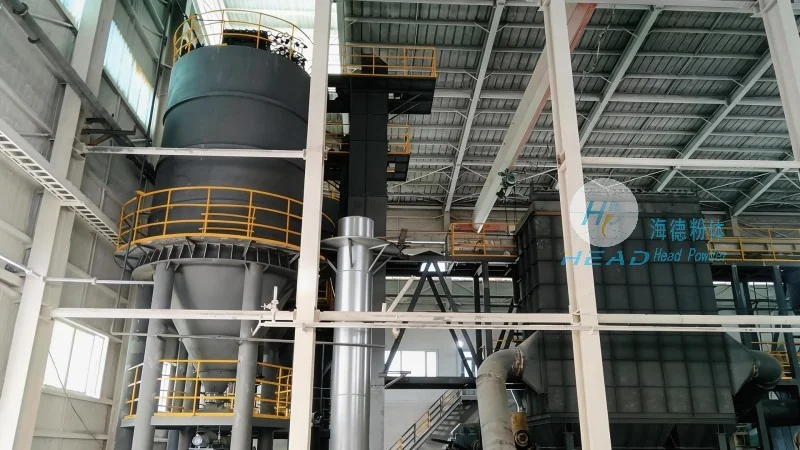
Benefits of Using Aluminum Nitride Pneumatic Conveying Machines
Implementing an AlN pneumatic conveying machine offers several benefits for industries handling fine ceramic powders. The primary advantage is the reduction of contamination, as the system eliminates the need for mechanical components that could introduce foreign particles into the powder. This is particularly important for AlN, which is used in applications where purity is critical, such as semiconductor manufacturing. Another benefit is the improvement in operational efficiency, as the system can transport large quantities of powder quickly and consistently. The automated nature of the system also reduces the need for manual labor, lowering labor costs and minimizing the risk of human error. Furthermore, the system is compact and can be integrated into existing production lines, making it a cost-effective solution for material transport. The consistent flow of powder also helps maintain uniform product quality, reducing waste and improving yield.
Conclusion
In conclusion, the operation process and working principle of an aluminum nitride pneumatic conveying machine are designed to provide a reliable and efficient method for transporting fine ceramic powders. The system's components work together to ensure that the AlN powder is moved safely and without contamination, while the automated control systems maintain optimal performance. For industries such as electronics and semiconductor manufacturing, where the quality and purity of AlN are paramount, this type of pneumatic conveying system is an essential tool. By understanding the operation process and technical considerations, manufacturers can optimize their AlN handling processes and improve overall production efficiency. The system developed by Shandong HeadPowder Engineering Co., Ltd. exemplifies the advanced technology and engineering expertise required to handle AlN powder effectively, ensuring that it meets the highest standards of quality and performance.