

Operation Process and Working Principle of a Potassium Sulfate Pneumatic Conveyor
Shandong HeadPowder Engineering Co., Ltd., commonly known as headpowder, is a professional manufacturer specializing in the design, development, and production of pneumatic conveying systems. The company is headquartered in Shandong, China, and has established a strong reputation in the industry for its high-quality equipment and reliable performance. With a focus on innovation and customer satisfaction, headpowder provides tailored solutions for various material handling applications, including the efficient transportation of bulk materials like potassium sulfate.
Introducing the Potassium Sulfate Pneumatic Conveyor
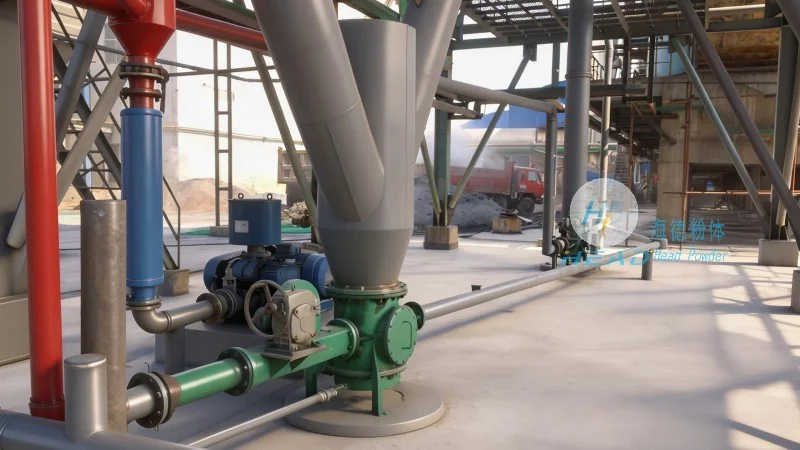
The potassium sulfate pneumatic conveyor is a specialized piece of equipment designed to transport potassium sulfate, a crucial fertilizer and industrial chemical, from storage to processing or packaging areas. This system utilizes air pressure to move the material, eliminating the need for traditional mechanical conveyors and reducing the risk of material contamination or degradation. The conveyor is engineered to handle the specific properties of potassium sulfate, such as its granular or crystalline form, ensuring a smooth and efficient transfer process. Key features include a robust hopper for material storage, a high-efficiency air compressor system to generate the necessary air pressure, and a flexible pipeline network that can be customized to fit different facility layouts. The design prioritizes durability, ease of maintenance, and energy efficiency, making it an ideal choice for both large-scale industrial operations and smaller processing facilities.
The Operation Process of the Potassium Sulfate Pneumatic Conveyor
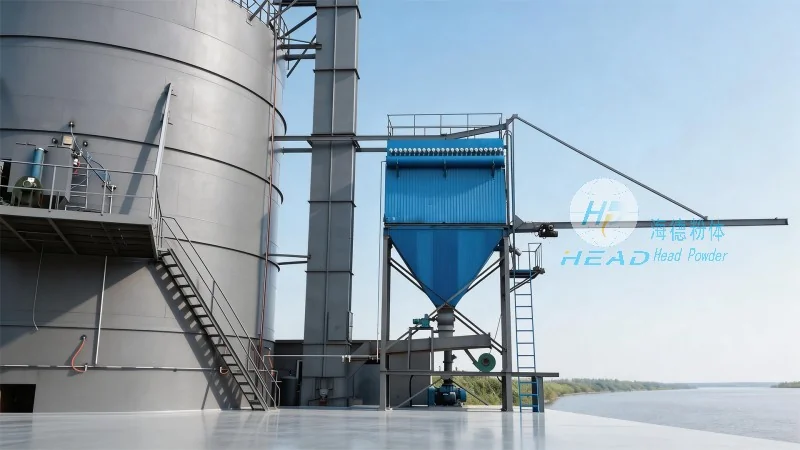
The operation of the potassium sulfate pneumatic conveyor involves several key steps that ensure the material is transferred safely and efficiently. First, the potassium sulfate is loaded into the hopper, which is typically equipped with a feeding mechanism such as a screw feeder or a rotary valve to control the flow rate. The hopper is designed to maintain a consistent material level, preventing overfilling or underfilling that could affect the conveying performance. Next, the air compressor system is activated, generating a high-pressure air stream that flows through the pipeline network. The air pressure is carefully regulated to match the material's characteristics, ensuring that the particles are lifted and transported without excessive wear on the equipment. As the material is drawn into the pipeline by the air flow, it travels through the conveyor system, which may include bends, elbows, or vertical sections depending on the layout of the facility. The conveying process is continuous, with the material being discharged at the receiving end into a storage tank or directly into the next processing stage. The system is equipped with sensors and controls to monitor the pressure, flow rate, and material level, allowing for real-time adjustments to maintain optimal performance. Additionally, the conveyor includes safety features such as pressure relief valves and emergency shut-off mechanisms to prevent accidents and protect the equipment from damage.
Working Principle of the Potassium Sulfate Pneumatic Conveyor
The working principle of the potassium sulfate pneumatic conveyor is based on the fundamental concept of pneumatic transport, where air is used as the medium to move solid particles. The system operates on the principle of creating a pressure differential between the hopper and the discharge point. When the air compressor generates high-pressure air, it enters the hopper and mixes with the potassium sulfate particles, creating a slurry-like mixture. This mixture is then forced through the pipeline by the air pressure, with the particles being suspended and carried along by the air flow. The velocity of the air is critical; it must be sufficient to overcome the gravitational force acting on the particles and to maintain their suspension throughout the conveying distance. The pipeline design, including the diameter and length, is optimized to minimize pressure losses and ensure that the air and material mixture reaches the discharge point with minimal energy consumption. The discharge mechanism at the receiving end typically uses a venturi or a pressure drop to separate the air from the material, allowing the potassium sulfate to be collected in the target container. The entire process is driven by the continuous operation of the air compressor, which maintains the necessary pressure and flow rate to sustain the conveying operation. The system's efficiency is enhanced by the use of specialized components, such as air filters to remove moisture and particulates from the air, and material separators to prevent blockages or clogging in the pipeline. These components ensure that the conveyor operates reliably and consistently, even with varying material characteristics or operating conditions.
Key Advantages and Applications
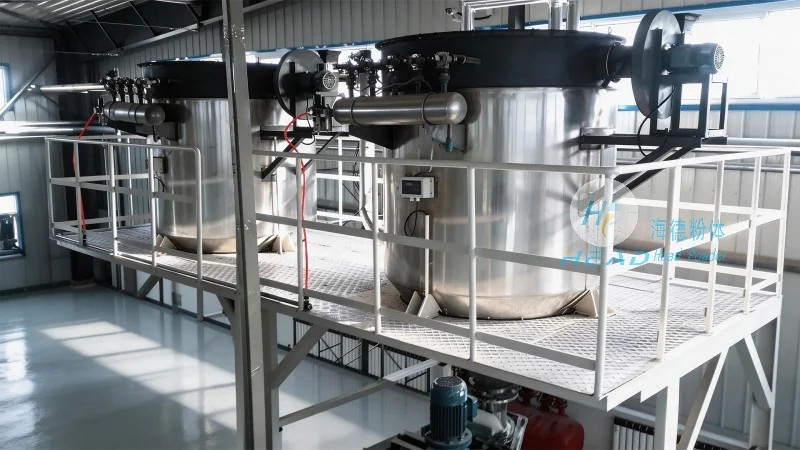
The potassium sulfate pneumatic conveyor offers several advantages over traditional mechanical conveyors, making it a preferred choice for many industries. One of the primary benefits is the ability to handle materials that are difficult to transport mechanically, such as fine powders or granules that are prone to caking or bridging. The pneumatic system prevents material buildup and ensures a consistent flow rate, reducing downtime and maintenance costs. Additionally, the conveyor is designed to minimize product contamination, which is essential for materials like potassium sulfate that are used in food or pharmaceutical applications. The system's flexibility allows for easy integration into existing facility layouts, with the pipeline network being adjustable to accommodate changes in the production process. The energy efficiency of the pneumatic conveyor is another significant advantage, as it uses less power compared to mechanical conveyors, resulting in lower operational costs. The conveyor is widely used in the fertilizer industry for transporting potassium sulfate from storage silos to processing plants or packaging lines. It is also applicable in chemical manufacturing facilities where the material needs to be moved between different processing stages. The system's ability to handle large volumes of material at high speeds makes it suitable for high-throughput operations, contributing to increased productivity and reduced labor costs. Overall, the potassium sulfate pneumatic conveyor is a reliable and efficient solution for the bulk handling of potassium sulfate, providing companies with a cost-effective and sustainable method of material transportation.